In recent years, the importance of recycling programs in Lansing, Michigan has gained significant attention as communities strive to enhance their sustainability efforts. As urban areas face increasing challenges related to waste management, effective recycling initiatives have become essential for reducing landfill waste and promoting environmental stewardship. Lansing, as the capital city of Michigan, plays a pivotal role in setting an example for other cities in the state and beyond. The city has implemented various recycling initiatives aimed at improving participation rates and educating residents about the benefits of recycling. These programs not only focus on traditional materials like paper and plastics but also encourage the recycling of electronics and hazardous waste, which are often overlooked.
By fostering a culture of recycling, Lansing aims to reduce its carbon footprint and contribute to a cleaner environment. As we delve deeper into the specifics of Lansing's recycling programs, it is crucial to compare them with those of other cities. This comparison will highlight the strengths and weaknesses of Lansing's approach to waste management, providing insights into how it stacks up against similar urban centers. Understanding these differences can help residents appreciate their local efforts while also identifying areas for improvement that could enhance the overall effectiveness of recycling in their community.
Overview of Recycling Programs in Lansing, Michigan
The recycling programs in Lansing, Michigan are designed to promote sustainability and reduce waste in the community. The city has implemented a comprehensive program that encourages residents to participate actively in recycling efforts.Types of Materials Accepted
- Plastics: Lansing accepts various types of plastics, including PETE (#1) and HDPE (#2), which are commonly found in bottles and containers.
- Metals: Aluminum cans and steel food cans are recyclable, contributing to the city's efforts to minimize landfill waste.
- Paper Products: Residents can recycle newspapers, magazines, and cardboard, which are essential for reducing paper waste.
- Glass: Clear, green, and brown glass bottles and jars are accepted, promoting the recycling of this durable material.
Collection Schedules
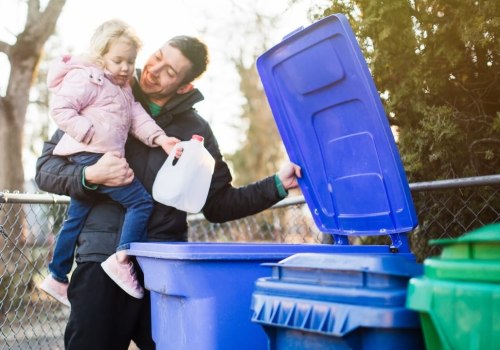
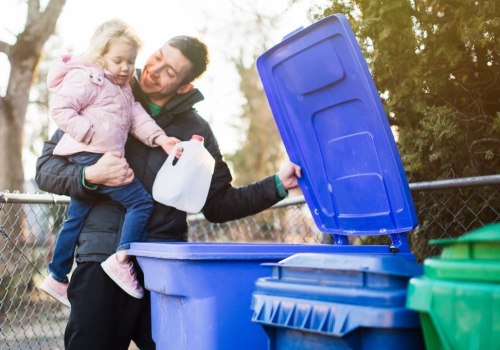
The city of Lansing operates a bi-weekly curbside collection service for recyclables.
Residents are encouraged to place their recycling bins out on designated collection days, which are typically scheduled based on their trash collection day. This regular schedule helps ensure that materials are collected efficiently and reduces contamination rates.
Community Involvement
Lansing's recycling program also emphasizes community engagement. The city hosts educational workshops and events aimed at raising awareness about the importance of recycling. Local schools often participate in initiatives that teach students about waste management and environmental stewardship.
Additionally, residents can access resources online to learn more about proper recycling practices and how to reduce waste at home.
Recycling Statistics
According to recent data, Lansing has seen a steady increase in its recycling rates over the past few years. The city aims to achieve a recycling rate of 30% by 2025, reflecting its commitment to improving waste management practices. By comparing these statistics with other cities, it becomes evident that Lansing is making significant strides in enhancing its waste management efforts.
Comparative Analysis: Recycling Programs in Major U.S. Cities
When evaluating recycling programs in Lansing, Michigan, it is essential to compare them with those in major U.S.cities like New York, Los Angeles, and Chicago. Each city has developed unique approaches to waste management and recycling, influenced by local policies, community engagement, and available resources.
New York City
New York City boasts one of the most comprehensive recycling programs in the country. The city has implemented a mandatory recycling law that requires residents to separate recyclables from regular waste. NYC's program includes a wide range of materials, such as paper, cardboard, metal, glass, and certain plastics.The city's extensive outreach efforts aim to educate residents about proper recycling practices, which has led to a significant increase in participation rates.
Los Angeles
In contrast, Los Angeles has adopted a more decentralized approach to recycling. The city encourages private haulers to manage waste and recycling services, resulting in varied practices across neighborhoods. While LA has made strides in increasing its recycling rate through initiatives like the LA Recycles program, challenges remain due to inconsistent participation and a lack of uniformity in what materials are accepted.Chicago
Chicago's recycling program is also noteworthy but faces its own set of challenges. The city has implemented a blue cart program for single-family homes, allowing residents to recycle materials like paper, plastics, and metals.However, Chicago's overall recycling rate lags behind other major cities due to limited public awareness and engagement efforts.In comparison, Lansing's recycling programs are relatively modest but effective within their scope. The city offers curbside recycling services that include common materials such as paper, plastics #1 and #2, and metals. Lansing's community engagement initiatives focus on educating residents about the importance of recycling and proper sorting techniques.While Lansing may not have the extensive resources or outreach programs seen in larger cities like New York or Los Angeles, its commitment to improving waste management practices is evident. By fostering community involvement and continuously seeking ways to enhance its recycling efforts, Lansing is making strides toward a more sustainable future.
Success Stories: Cities with Effective Recycling Programs
Across the United States, several cities have implemented successful recycling programs that not only reduce waste but also promote sustainability and community engagement.These initiatives serve as valuable examples for Lansing, Michigan, as it seeks to enhance its own recycling efforts.
San Francisco, California
San Francisco is often hailed as a leader in recycling and composting. The city has set an ambitious goal of zero waste by 2030. Its mandatory recycling and composting laws require residents and businesses to separate their waste into designated bins. This initiative has resulted in a diversion rate of over 80%, showcasing the effectiveness of strict regulations combined with public education.Seattle, Washington
Seattle's recycling program emphasizes accessibility and convenience.The city provides residents with multiple collection options, including curbside pickup and drop-off centers. Seattle also employs a tiered pricing system that incentivizes recycling by charging higher rates for those who produce more waste. This approach has led to a significant increase in recycling rates, demonstrating the impact of economic incentives on waste management.
Portland, Oregon
Portland is known for its innovative approach to waste management. The city has implemented a comprehensive education campaign that informs residents about the importance of recycling and how to do it effectively.Additionally, Portland offers a variety of resources, such as workshops and community events, to engage citizens in sustainability practices. As a result, the city boasts a recycling rate of approximately 50%, with ongoing efforts to improve this figure.
Best Practices for Lansing
- Community Engagement: Like San Francisco and Portland, Lansing could benefit from increased community involvement through educational programs and events.
- Incentive Programs: Implementing tiered pricing similar to Seattle could encourage residents to recycle more effectively.
- Accessibility: Ensuring that recycling facilities are easily accessible can significantly improve participation rates.
Challenges Faced by Lansing's Recycling Program
Lansing, Michigan, faces several challenges in its recycling program that hinder its effectiveness and overall success. One of the most significant issues is the high rate of contamination in recyclable materials.Contamination occurs when non-recyclable items are mixed with recyclables, leading to entire batches being rejected by processing facilities. This not only increases costs but also diminishes the overall efficiency of the recycling program.Another challenge is the lack of public awareness regarding proper recycling practices. Many residents are unsure about what can and cannot be recycled, which contributes to the contamination problem. Educational initiatives aimed at informing the community about acceptable materials and the importance of recycling could significantly improve participation rates and reduce contamination.Additionally, Lansing's waste management issues play a crucial role in the challenges faced by its recycling program.
Limited resources and funding can restrict the city's ability to expand its recycling services or invest in advanced sorting technologies that could enhance efficiency. Furthermore, logistical challenges such as transportation and collection schedules can complicate the recycling process, making it less accessible for residents.To address these challenges, Lansing must focus on improving community engagement through educational campaigns and enhancing its infrastructure to support more effective recycling practices. By tackling these barriers head-on, Lansing can work towards a more sustainable future and improve its overall recycling rates.
Community Involvement and Education in Recycling Efforts
Community involvement plays a crucial role in the success of recycling programs in Lansing, Michigan. Engaging residents not only enhances participation rates but also fosters a culture of sustainability within the community.Various initiatives have been implemented to educate the public about the importance of recycling and how to do it effectively.
Public Participation in Recycling
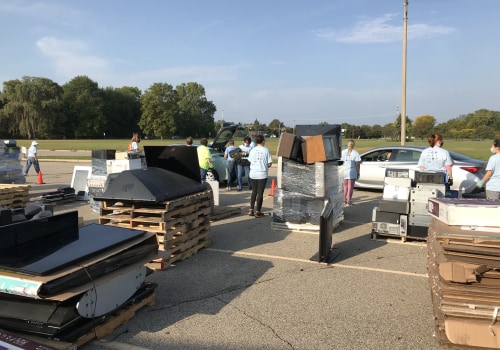
- Lansing has seen a significant increase in public participation through local events such as recycling drives and clean-up days. These events encourage residents to actively engage with their community while learning about proper recycling practices.
- Neighborhood associations often collaborate with the city to host workshops that provide hands-on training on sorting recyclables and understanding what materials are accepted.
Awareness Campaigns
- The city of Lansing has launched several awareness campaigns aimed at educating residents about the environmental benefits of recycling. These campaigns utilize social media, local newspapers, and community bulletin boards to reach a wider audience.
- Schools in Lansing also play a pivotal role by integrating recycling education into their curricula, ensuring that children understand the importance of sustainability from a young age.
By fostering public engagement and awareness, Lansing not only improves its recycling rates but also cultivates a more environmentally conscious community.
Future Prospects: Enhancing Recycling Programs in Lansing
As Lansing, Michigan looks to the future of its recycling programs, there are numerous opportunities for enhancement by adopting successful strategies from other cities. By analyzing innovative practices and technologies, Lansing can improve its waste management and recycling efforts significantly.Learning from Successful Models
Many cities across the United States have implemented effective recycling programs that Lansing could emulate. For instance, San Francisco has achieved a remarkable diversion rate of over 80% through comprehensive education campaigns and strict regulations on waste disposal. By investing in community outreach and awareness initiatives, Lansing can encourage residents to participate more actively in recycling.Implementing Advanced Technologies
Another avenue for improvement lies in the adoption of innovative recycling solutions.Cities like Seattle have integrated smart bins equipped with sensors that monitor waste levels and optimize collection routes. This technology not only reduces operational costs but also minimizes environmental impact. Lansing could explore similar technologies to enhance efficiency in its recycling operations.
Community Engagement and Incentives
Engaging the community is crucial for the success of any recycling program. Implementing incentive-based systems, such as reward programs for households that consistently recycle, can motivate residents to participate more actively.Programs like these have seen success in cities such as Minneapolis, where residents earn points redeemable for local goods and services.
Collaboration with Local Businesses
Lansing can also benefit from partnerships with local businesses to create a circular economy. By collaborating with companies that prioritize sustainability, the city can develop programs that encourage recycling and reuse of materials. This not only supports local businesses but also fosters a community-wide commitment to sustainability.In conclusion, the future of recycling in Lansing holds great potential for improvement through the adoption of successful models from other cities, advanced technologies, community engagement, and collaboration with local businesses. By taking these steps, Lansing can enhance its recycling programs and contribute to a more sustainable future.FAQs about Recycling Programs in Lansing and Beyond
As residents of Lansing, Michigan, and beyond become increasingly aware of the importance of sustainability, many have questions about recycling programs in Lansing, Michigan and how they compare to other cities.Here are some frequently asked questions that can help clarify common concerns.
What materials can I recycle in Lansing?
Lansing's recycling program accepts a variety of materials, including:- Plastics: Look for containers labeled with recycling codes 1 (PETE) and 2 (HDPE).
- Metals: Aluminum cans and tin cans are recyclable.
- Papers: Most paper products, including newspapers, magazines, and cardboard, can be recycled.
- Glass: Clear, green, and brown glass bottles are accepted.
How does Lansing's recycling program compare to other cities?
Lansing's recycling program is robust but may differ from those in larger cities. For instance, cities like Ann Arbor have more extensive composting initiatives. However, Lansing is continually improving its services to enhance community participation and reduce landfill waste.What are some common concerns about waste management?
Many residents express concerns about contamination in recycling bins. Contaminated materials can lead to entire batches being sent to landfills.To avoid this:
- Rinse containers: Ensure that food residue is removed from recyclables.
- Avoid wish-cycling: Only place items in the recycling bin that are accepted by the program.
What tips can help improve my recycling habits?
Improving your recycling habits can make a significant difference. Here are some tips:- Stay informed: Regularly check the City of Lansing's website for updates on accepted materials.
- Create a designated recycling space: Set up a specific area in your home for recyclables to encourage consistent sorting.
- Participate in community events: Engage in local clean-up days or educational workshops to learn more about effective recycling practices.
Conclusion: Key Takeaways on Recycling Programs Comparison
In conclusion, the comparison of recycling programs in Lansing, Michigan with those in other cities reveals both strengths and areas for improvement. While Lansing has made strides in implementing effective recycling initiatives, it still faces challenges that could be addressed to enhance its overall performance.Key Takeaways:
- Lansing's recycling rate is commendable but lags behind several peer cities, indicating a need for increased community engagement and education.
- Investment in infrastructure is crucial; many successful cities have dedicated resources to improve their recycling facilities and collection systems.
- Public awareness campaigns can significantly boost participation rates; cities with robust outreach programs often see higher recycling volumes.
- Collaboration with local businesses and organizations can foster a culture of sustainability, encouraging more residents to participate in recycling efforts.