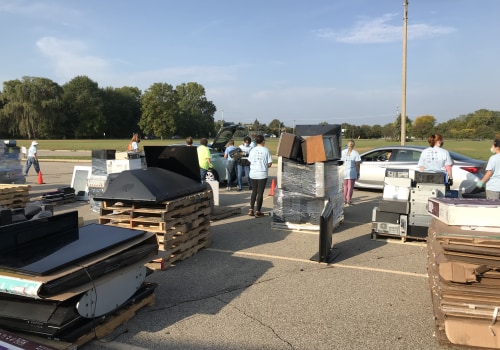
In Lansing, Michigan, the importance of recycling programs cannot be overstated, especially when it comes to large items such as furniture and appliances. As communities strive for sustainability, understanding how to effectively recycle these bulky items is essential for reducing waste and promoting environmental stewardship. The city has developed a range of initiatives aimed at making the recycling process more accessible and efficient for its residents, thereby fostering a culture of responsible waste management.Large item recycling presents unique challenges, as these items often cannot be disposed of through regular curbside collection. This is where Lansing's dedicated recycling programs come into play.
By providing designated collection days and drop-off locations, the city ensures that residents have the resources they need to dispose of their unwanted goods responsibly. These programs not only help divert waste from landfills but also encourage the reuse and repurposing of materials, contributing to a more sustainable community.Moreover, engaging in local recycling efforts enhances community awareness about sustainability practices. Residents who participate in these programs are more likely to understand the broader implications of their consumption habits and the lifecycle of their products. By prioritizing recycling large items, Lansing is taking significant steps toward reducing its environmental footprint while simultaneously promoting a sense of community responsibility among its citizens.
Overview of Lansing's Recycling Policies
The city of Lansing, Michigan, has established a comprehensive framework of recycling policies aimed at promoting effective waste management and sustainability.These policies are designed to facilitate the recycling of large items, such as furniture and appliances, which often present unique challenges for residents. Understanding these guidelines is essential for ensuring that bulky waste is disposed of properly and efficiently.One of the key components of Lansing's recycling policies is the implementation of scheduled collection days specifically for large items. This initiative allows residents to place their unwanted goods curbside for pickup on designated days, minimizing the risk of clutter and environmental degradation. The city encourages residents to familiarize themselves with the specific days allocated for these collections by visiting the official city website or contacting the waste management department directly.In addition to scheduled pickups, Lansing's recycling policies emphasize the importance of proper preparation for large item disposal.
Residents are advised to:
- Ensure Cleanliness: Items should be free from hazardous materials and contaminants. For instance, refrigerators must have their doors removed to prevent safety hazards.
- Check Limitations: There may be restrictions on the number of items that can be placed out for collection at one time. It is crucial to verify these details beforehand to avoid any inconvenience.
By participating in these initiatives, residents not only contribute to reducing landfill waste but also foster a culture of environmental stewardship within their neighborhoods.Lansing's commitment to effective waste management is evident in its ongoing efforts to improve recycling rates and reduce landfill contributions. By adhering to these recycling guidelines , residents play a vital role in creating a cleaner and more sustainable environment for future generations.
Types of Large Items Accepted for Recycling
In Lansing, Michigan, residents have the opportunity to recycle a variety of large items, including furniture and appliances. Understanding what can be recycled and the specific guidelines for each category is essential for responsible disposal. Below is a detailed overview of the types of large items accepted for recycling in Lansing.Furniture Recycling Guidelines
The city encourages residents to recycle various types of furniture, which can often be repurposed or reused.The following items are typically accepted:
- Sofas and Couches: These should be free from significant damage, stains, or odors. Ensure that cushions are intact and that the frame is stable.
- Chairs and Recliners: All types of chairs, including recliners, can be recycled as long as they are in good condition without any major tears or structural issues.
- Tables and Desks: Wooden or metal tables and desks are accepted. Items should be clean and free from hazardous materials like paint or chemicals.
- Bed Frames and Mattresses: Bed frames made of wood or metal can be recycled. However, mattresses must be dry and free from any contamination; wet or soiled mattresses are generally not accepted.
Appliance Recycling Rules
Recycling appliances is crucial for reducing waste and conserving resources.In Lansing, the following appliances are accepted for recycling:
- Refrigerators: These must have their doors removed to prevent safety hazards. Additionally, ensure that they are free from food residue.
- Washing Machines: Residents can recycle old washing machines as long as they are clean and disconnected from water sources.
- Dryers: Both electric and gas dryers can be recycled. Make sure to remove any lint buildup before disposal.
- Stoves and Ovens: These appliances should be clean and free from any hazardous materials. Ensure that gas stoves are properly disconnected before recycling.
- Microwaves: Microwaves can also be recycled, but it’s important to check with local guidelines regarding any specific preparation requirements.
For more detailed information on specific items or additional recycling options, residents are encouraged to visit the city’s official website or contact local waste management authorities.
How to Schedule a Large Item Pickup in Lansing
Scheduling a pickup for large items in Lansing, Michigan, is a straightforward process designed to assist residents in managing their waste responsibly. By following these steps, you can ensure that your unwanted furniture and appliances are collected efficiently and in accordance with local recycling programs.1.Check Eligibility
- Before scheduling a pickup, confirm that your items qualify for bulk collection. Common eligible items include:
- Sofas and couches
- Mattresses and bed frames
- Major appliances like refrigerators and washing machines
- Note that hazardous materials, construction debris, and certain electronics may not be accepted.
2.Visit the City’s Official Website
The City of Lansing maintains an official website where residents can find detailed information about the recycling programs in Lansing, Michigan. Navigate to the waste management section to access guidelines for large item pickups.
3.Use the Online Scheduling Form
- Most residents can schedule their pickups through an online form available on the city’s website.
Here’s how:
- Fill out the required fields, including your name, address, and a description of the items you wish to dispose of.
- Double-check that all information is accurate before submitting the form.
4.Contact Customer Service
If you prefer a more personal touch or have specific questions, consider calling the Lansing customer service line. Representatives are available to guide you through the scheduling process and clarify any doubts regarding bulk item collection.
5.Confirm Your Pickup Date
- After submitting your request, you will receive a confirmation of your scheduled pickup date via email or phone.
- Ensure that your items are placed at the curb by 7:00 AM on the designated day for collection to avoid any delays.
6.Prepare Your Items for Pickup
- Make sure that all items are clean and free of personal belongings.
- If applicable, remove doors from appliances like refrigerators to prevent safety hazards during collection.
Drop-off Locations for Large Item Recycling
For residents of Lansing, Michigan, there are several convenient drop-off locations available for recycling large items such as furniture and appliances. These facilities are designed to facilitate responsible disposal and ensure that recyclable materials are diverted from landfills.Below is a list of key recycling centers in Lansing, along with details on the types of items accepted and their operational hours.
Lansing Recycling Center
Located at 600 W. Maple Street , the Lansing Recycling Center is a primary facility for residents looking to recycle large items. This center accepts a wide range of materials, including:- Mattresses
- Couches and sofas
- Major appliances such as refrigerators and washing machines
- Furniture items like tables and chairs
South Lansing Community Center
The South Lansing Community Center, situated at 5801 S. Pennsylvania Avenue , also provides drop-off services specifically for large household items.This facility is open on:
- Wednesdays from 10 AM to 4 PM
- Saturdays from 10 AM to 4 PM
City of Lansing Public Works Department
The Public Works Department, located at 1800 E. State Road , serves as another resource for residents interested in recycling large items. This location is open during regular business hours and offers guidance on what items can be recycled. Residents can also inquire about special recycling events that may be taking place throughout the year.In addition to these dedicated centers, the city of Lansing occasionally hosts special recycling events where residents can bring large items for disposal.These events are typically advertised through local media channels and the city’s official website, ensuring that residents stay informed about upcoming opportunities.Before visiting any drop-off location, it’s essential to check the specific guidelines regarding accepted materials, as some centers may have restrictions on certain types of items. Always ensure that your items are clean and free of hazardous materials prior to dropping them off.By utilizing these recycling centers in Lansing, residents not only contribute to a more sustainable community but also help declutter their homes in an environmentally friendly manner.
Frequently Asked Questions about Recycling Large Items in Lansing
Residents of Lansing often have questions regarding the proper disposal and recycling of large items such as furniture and appliances. Understanding these processes is essential for ensuring that items are recycled correctly and responsibly. Below are some frequently asked questions that can help clarify the recycling process in the city.What types of large items can be recycled in Lansing?
Lansing's recycling programs accept a variety of large items, including:- Furniture: This includes sofas, chairs, tables, bed frames, and mattresses.
- Appliances: Commonly accepted appliances are refrigerators, washing machines, dryers, stoves, and microwaves.
- Electronics: Some recycling programs also accept electronic items like televisions and computers.
How can I schedule a pickup for large items?
Lansing residents can easily schedule a pickup for large items through the city’s official website or by contacting the Department of Public Service.Here’s how:
- Visit the City’s Website: Navigate to the waste management section to find information on bulk item collection.
- Use the Online Form: Fill out the required fields in the online form, including your address and a description of the items you wish to dispose of.
- Call Customer Service: If you prefer direct communication, you can call the customer service line for assistance.
Are there any fees associated with recycling large items?
While many recycling services in Lansing are free, certain large items—particularly appliances that contain refrigerants—may incur a small fee for proper disposal. Always verify with the city’s recycling program for any potential costs before scheduling your pickup.What should I do if my item is not accepted for recycling?
If you have an item that cannot be recycled through the city’s program, consider alternative options such as:- Donation: Many local charities accept gently used furniture and appliances that are still in good condition.
- Sell: Online marketplaces can be an effective way to find new homes for unwanted items.
- Bulk Waste Collection: Check if your item can be disposed of during scheduled bulk waste collection days.
Environmental Impact of Recycling in Lansing
The environmental impact of recycling in Lansing, Michigan, is profound and multifaceted, contributing significantly to both local sustainability efforts and the overall health of the planet. By participating in recycling programs, residents not only help reduce waste but also play a crucial role in conserving natural resources and minimizing pollution.Reduction of Landfill Waste
One of the most immediate benefits of recycling large items such as furniture and appliances is the reduction of landfill waste. When residents recycle these items instead of discarding them, they help divert significant volumes of material from landfills.
This is particularly important in urban areas like Lansing, where landfill space is limited and costly. By keeping bulky waste out of landfills, the city can extend the lifespan of existing landfill sites and reduce the environmental hazards associated with waste accumulation.
Conservation of Resources
Recycling also plays a vital role in conserving natural resources. Many materials found in large items can be repurposed or reused, which decreases the need for new raw materials. For instance, recycling metals from appliances reduces the demand for mining operations that can be harmful to ecosystems.
Similarly, recycling wood from furniture helps preserve forests and reduces deforestation. This conservation effort not only protects wildlife habitats but also contributes to a more sustainable economy.
Lower Carbon Footprint
Another significant environmental benefit is the reduction of greenhouse gas emissions associated with manufacturing processes. Recycling typically requires less energy than producing new products from raw materials. For example, recycling aluminum saves up to 95% of the energy needed to create new aluminum from bauxite ore.
By lowering energy consumption, Lansing's recycling programs help decrease carbon emissions, which is essential for combating climate change and improving air quality.
Community Engagement and Awareness
The impact of recycling extends beyond environmental benefits; it fosters a sense of community responsibility and engagement. Residents who actively participate in recycling initiatives often feel more connected to their neighborhoods and are more likely to engage in other sustainability efforts. This collective action can lead to:
- Increased Community Awareness: Educational programs about recycling encourage residents to adopt sustainable practices in their daily lives.
- Job Creation: The recycling industry can create local jobs, from collection to processing, contributing to the economic health of Lansing.
These efforts not only help reduce waste but also inspire residents to think critically about their consumption habits and the lifecycle of their products.In conclusion, the environmental impact of recycling programs in Lansing is significant. By participating in these initiatives, residents not only help protect the environment but also strengthen their community's commitment to sustainability.
Conclusion: The Importance of Responsible Recycling in Lansing
In summary, the recycling programs in Lansing, Michigan, are not merely a set of guidelines for waste disposal; they represent a vital component of the city’s commitment to sustainability and responsible waste management. As we have explored throughout this guide, the importance of recycling extends beyond individual actions to encompass broader community engagement and environmental stewardship.Responsible recycling
is essential for several reasons:
- Environmental Protection: By participating in recycling initiatives, residents help reduce the amount of waste that ends up in landfills. This not only conserves space but also minimizes the environmental impact associated with waste decomposition and landfill operations.
- Resource Conservation: Recycling large items such as furniture and appliances allows for the recovery of valuable materials.
This process conserves natural resources, reduces the need for new raw materials, and lessens the energy consumption associated with manufacturing.
- Community Engagement: Engaging in recycling programs fosters a sense of community responsibility. When residents actively participate in local recycling efforts, they contribute to a culture of sustainability that can inspire others to follow suit.
By knowing when to schedule pickups or where to drop off items, residents can ensure that their efforts lead to meaningful environmental benefits.Ultimately, responsible recycling in Lansing is a shared responsibility that requires commitment from every resident. By embracing these practices, we not only help our city thrive but also pave the way for a more sustainable future for generations to come. Together, we can make Lansing a model for effective waste management and environmental stewardship.