In our daily lives, we often encounter a variety of substances that, while useful, can also pose significant risks to both human health and the environment. These substances are classified as hazardous materials , which include a wide range of items from household cleaners to industrial chemicals. Understanding what constitutes hazardous materials is essential for anyone looking to engage in responsible waste management practices. The implications of mishandling these materials can be severe, leading to contamination of soil and water, as well as posing direct health risks to individuals and communities.Hazardous materials can be categorized into several types, each with its own unique properties and dangers.
Common categories include:
- Flammable materials: These substances can easily ignite and cause fires, posing a risk not only to the individual handling them but also to surrounding areas.
- Toxic agents: Chemicals that can cause harm or death upon exposure, either through ingestion, inhalation, or skin contact.
- Corrosive substances: Materials that can damage or destroy living tissue and other materials upon contact.
- Reactive chemicals: Substances that can undergo violent chemical reactions when exposed to certain conditions or other chemicals.
By being informed and proactive about hazardous waste management, individuals can contribute significantly to the well-being of their community and the environment.
Types of Hazardous Materials
Understanding the different types of hazardous materials is essential for effective waste management and environmental protection. Hazardous materials can be categorized based on their properties and the risks they pose to human health and the environment. Below are some common categories of hazardous waste:- Flammable Materials: These substances can easily ignite and cause fires. Common examples include gasoline, certain solvents, and oil-based paints.
- Corrosive Substances: Corrosive materials can damage living tissue or corrode metals.
Household cleaners, such as drain cleaners and some industrial chemicals, fall into this category.
- Toxic Agents: Toxic materials can cause serious health issues upon exposure. This includes pesticides, certain heavy metals like lead and mercury, and some electronic waste.
- Reactive Chemicals: These materials can undergo violent chemical reactions when exposed to other substances. Examples include certain types of batteries and some industrial chemicals.
- Household Cleaners: Many cleaning products contain harmful chemicals that can be dangerous if released into the environment.
- Pesticides and Herbicides: Designed to eliminate pests, these substances can also pose risks to humans and wildlife if not disposed of properly.
- Paints and Solvents: Oil-based paints and solvents often contain volatile organic compounds (VOCs) that contribute to air pollution.
- Batteries: While some batteries are recyclable, lead-acid batteries and certain lithium-ion batteries are considered hazardous due to their toxic components.
- Electronics: E-waste often contains heavy metals like lead and mercury, making it hazardous if not disposed of correctly.
Here are some tips for recognizing hazardous materials in your home:
- Check Labels: Look for hazard symbols or warnings on product labels that indicate the material is hazardous.
- Consult Material Safety Data Sheets (MSDS): These documents provide detailed information about a substance's properties, including its hazards.
- Familiarize Yourself with Local Regulations: Understanding Lansing's specific regulations regarding hazardous waste will help ensure compliance and safety.
Local Recycling Programs in Lansing, Michigan
Lansing, Michigan, is committed to promoting sustainability and responsible waste management through a variety of recycling programs. These initiatives are designed to help residents effectively manage their waste while minimizing their environmental impact. Understanding the available options is essential for anyone looking to participate in these programs.One of the most significant services offered is the curbside recycling program.This program allows residents to conveniently dispose of recyclable materials right from their homes. Here’s how it works:
- Scheduled Collection: Residents can place their recyclables in designated bins, which are collected on specific days throughout the month. This service is typically included with regular waste collection, making it easy for households to participate.
- Accepted Materials: The curbside program accepts a range of materials, including:
- Paper Products: Newspapers, magazines, and cardboard.
- Plastics: Containers labeled with recycling symbols #1 and #2.
- Metals: Aluminum cans and tin cans.
- Glass: Clear, green, and brown glass bottles and jars.
At these drop-off centers, individuals can recycle items such as:
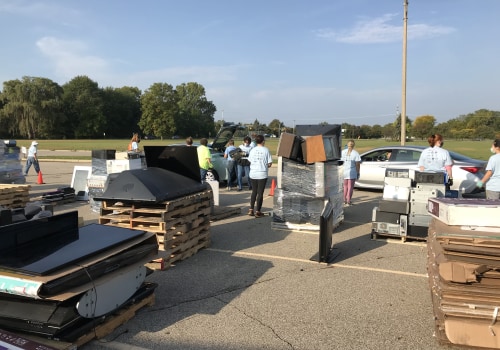
- Electronics: Old computers, televisions, and other electronic devices.
- Batteries: Various types of batteries that require special handling.
- Pesticides and Chemicals: Certain hazardous materials that cannot be placed in regular recycling bins.
Disposal Process for Hazardous Materials in Lansing
Disposing of hazardous materials in Lansing, Michigan, is a critical process that requires careful attention to local regulations and safety protocols.The following steps outline a comprehensive approach to ensure that hazardous waste is disposed of responsibly and effectively.
- Identify Hazardous Materials: Begin by assessing the items you intend to dispose of. Common hazardous materials include:
- Pesticides and herbicides
- Paints and solvents
- Batteries (especially lead-acid and lithium-ion)
- Electronics, such as computers and televisions
- Fluorescent bulbs
- Household cleaners containing toxic chemicals
- Review Local Regulations: Familiarize yourself with Lansing's specific regulations regarding hazardous waste disposal. The City of Lansing provides guidelines that detail what constitutes hazardous waste and the legal requirements for its disposal. This information can typically be found on the city’s official website or by contacting local waste management authorities.
- Gather Necessary Permits: Depending on the type and quantity of hazardous materials you wish to dispose of, you may need to obtain permits.
It is advisable to contact the Lansing Department of Public Works for information on any required permits before proceeding with disposal.
- Locate a Certified Disposal Facility: Identify a certified hazardous waste disposal facility in or near Lansing. These facilities are equipped to handle specific types of hazardous waste safely. The Michigan Department of Environment, Great Lakes, and Energy (EGLE) maintains a list of approved facilities that can be consulted for this purpose.
- Prepare Materials for Transport: Properly package the hazardous materials according to the facility's guidelines. Use appropriate containers that are clearly labeled and secure to prevent leaks during transport.
Ensure that any containers used are compatible with the type of waste being disposed of.
- Transport to Disposal Site: Safely transport the packaged materials to the designated disposal facility. Adhere to all safety protocols during transport, which may include wearing personal protective equipment (PPE) such as gloves and masks, especially if handling particularly toxic substances.
- Complete Required Documentation: Upon arrival at the disposal facility, complete any necessary paperwork. This may include manifests or receipts that document the type and quantity of waste disposed of. Keeping accurate records is important for compliance with local regulations.
For further information on local recycling programs or upcoming hazardous waste collection events, residents should consult the city’s official website or reach out to local environmental organizations.
Identifying Non-Recyclable Hazardous Materials
Identifying non-recyclable hazardous materials is a critical step in ensuring the safety of both the community and the environment. These materials, often found in households and businesses, pose significant risks if not disposed of properly. Understanding what constitutes non-recyclable hazardous waste can help residents of Lansing, Michigan, make informed decisions about disposal methods.Some common examples of non-recyclable hazardous materials include:- Household Cleaners: Many cleaning products contain toxic chemicals that can be harmful to human health and the environment. Items such as bleach, ammonia-based cleaners, and certain disinfectants should never be poured down the drain or thrown in the trash.
- Pesticides and Herbicides: Designed to eliminate pests and weeds, these substances can be extremely dangerous if released into the environment.
They often contain chemicals that can contaminate soil and water sources.
- Paints and Solvents: Oil-based paints and solvents are particularly hazardous due to their volatile organic compounds (VOCs), which can contribute to air pollution and pose health risks when inhaled.
- Batteries: While some batteries can be recycled, lead-acid batteries and certain lithium-ion batteries are classified as hazardous due to their toxic components. Improper disposal can lead to leaks that contaminate soil and water.
- Electronics: E-waste often contains heavy metals like lead, mercury, and cadmium. These materials are hazardous if not disposed of correctly, as they can leach into the environment.
- Labeling: Always check product labels for hazard symbols or warnings that indicate the material is hazardous. This information is crucial for proper handling.
- Material Safety Data Sheets (MSDS): These documents provide detailed information about the properties of a substance, including its hazards.
Familiarizing yourself with MSDS can help you understand how to handle these materials safely.
- Local Regulations: It’s essential to be aware of Lansing's specific regulations regarding hazardous waste disposal. The city provides guidelines on what constitutes hazardous waste and how it should be disposed of.
Local Resources and Facilities for Hazardous Waste Disposal
Residents of Lansing, Michigan, have access to a variety of local resources and facilities dedicated to the safe disposal of hazardous materials. Proper disposal is essential not only for protecting public health but also for preserving the environment. Below is a detailed list of key facilities and resources available for hazardous waste disposal in the area.Hazardous Waste Disposal Facilities
- Lansing Waste Management Facility
Address: 600 E.Miller Rd, Lansing, MI 48911
Phone: (517) 483-4400
Services Offered: This facility accepts a wide range of hazardous materials, including paints, solvents, batteries, and more. Residents can schedule appointments for drop-off to ensure efficient service. - Ingham County Health Department
Address: 5303 S. Cedar St, Lansing, MI 48911
Phone: (517) 887-4312
Services Offered: The Health Department provides valuable information on hazardous waste disposal and organizes special collection events throughout the year to facilitate safe disposal. - Michigan Department of Environment, Great Lakes, and Energy (EGLE)
Website: michigan.gov/egle
Services Offered: EGLE oversees hazardous waste management in Michigan and offers guidance on proper disposal methods as well as a list of approved local resources.
Local Resources for Hazardous Materials
In addition to the facilities mentioned above, residents can utilize various local resources to aid in the safe disposal of hazardous materials:- Community Recycling Events: Keep an eye out for community events focused on recycling and hazardous waste collection. These events often provide free disposal options for residents and promote community engagement.
- Local Environmental Groups: Organizations such as the Lansing Environmental Action Team offer resources and volunteer opportunities related to hazardous waste management.
Engaging with these groups can enhance community awareness about safe disposal practices.
- Online Resources: Websites like lansingmi.gov provide updated information on local recycling programs and hazardous waste disposal options. These platforms are invaluable for staying informed about upcoming events and changes in regulations.
Frequently Asked Questions about Hazardous Waste Disposal in Lansing
Residents of Lansing often have questions regarding the disposal of hazardous waste, particularly as it relates to local regulations and available resources. Understanding these aspects is essential for ensuring that hazardous materials are managed safely and effectively.Below are some frequently asked questions that can help clarify common concerns.
What types of materials are classified as hazardous waste?
Hazardous waste encompasses a wide range of items that can pose risks to human health and the environment. Common examples include:- Pesticides: Chemicals designed to kill pests can be harmful if not disposed of properly.
- Paints and solvents: Many paints contain volatile organic compounds (VOCs) that can contribute to air pollution.
- Batteries: Certain batteries, especially lead-acid and lithium-ion types, contain toxic substances.
- Electronics: E-waste often contains heavy metals like lead and mercury, making it hazardous.
- Fluorescent bulbs: These bulbs contain small amounts of mercury, which is harmful to the environment.
- Household cleaners: Many cleaning products contain chemicals that can be dangerous if released into the environment.
How can I dispose of hazardous waste in Lansing?
Lansing provides several options for residents looking to dispose of hazardous waste responsibly. Key methods include:- Annual Household Hazardous Waste Collection Events: These events allow residents to drop off hazardous materials at designated locations, typically held once or twice a year.
- Permanently Designated Drop-off Locations: Some facilities in Lansing accept hazardous waste year-round. It’s advisable to check with local authorities for specific addresses and hours of operation.
Are there any fees associated with hazardous waste disposal?
Generally, there are no fees for residents to dispose of hazardous waste during collection events.However, some permanent drop-off locations may charge fees for specific items, such as electronics or large quantities of certain materials. It is always best to verify with the facility beforehand to avoid any surprises.
Where can I find more information about recycling programs in Lansing?
If you have questions regarding recycling programs in Lansing, you can contact the city’s Department of Public Service or visit their official website. They provide comprehensive resources and guidance on what materials can be recycled and how residents can participate in local programs effectively.By staying informed about these frequently asked questions, residents can better navigate the complexities of hazardous waste disposal in Lansing, contributing to a safer and cleaner community.Conclusion: Key Takeaways on Hazardous Material Disposal in Lansing
In conclusion, the safe and responsible disposal of hazardous materials in Lansing, Michigan, is a critical aspect of community health and environmental sustainability. As we have explored throughout this guide, understanding the types of hazardous waste and the available disposal options is essential for every resident.Key Takeaways:
- Awareness of Hazardous Materials: It is vital for residents to recognize what constitutes hazardous waste.
Common items such as batteries, paints, solvents, pesticides, and electronic devices can pose significant risks if not disposed of properly. Familiarizing oneself with these materials helps prevent environmental contamination and protects public health.
- Utilization of Local Resources: Lansing offers a variety of resources for hazardous waste disposal, including annual collection events and permanent drop-off locations. Engaging with these services not only facilitates proper disposal but also promotes community involvement in environmental stewardship.
- Community Engagement: Participation in local recycling programs and hazardous waste collection initiatives fosters a sense of responsibility among residents. By working together, the community can raise awareness about safe disposal practices and encourage others to follow suit.
- Environmental Impact: Improper disposal of hazardous materials can lead to severe consequences for local ecosystems, including soil and water contamination.
By adhering to local guidelines and utilizing available resources, residents can significantly reduce their environmental footprint.