Lansing, Michigan, stands at the forefront of environmental stewardship through its comprehensive recycling programs, which are designed to promote sustainability and responsible waste management. As urban areas grapple with the challenges of waste disposal and environmental degradation, Lansing has taken proactive steps to ensure that its residents are equipped with the tools and knowledge necessary to participate in effective recycling practices. The city’s commitment to sustainability is not merely a trend; it reflects a deep-seated recognition of the need for collective action in addressing environmental issues.At the heart of Lansing's recycling initiatives is a multifaceted approach that encompasses various programs aimed at engaging the community. These initiatives are tailored to meet the diverse needs of residents while fostering a culture of environmental responsibility.
From curbside collection services to educational outreach efforts, Lansing's recycling programs are designed to make recycling accessible and convenient for all households. This accessibility is crucial in encouraging participation and ensuring that more materials are diverted from landfills.Moreover, the importance of effective waste management cannot be overstated. As cities like Lansing continue to grow, the volume of waste generated increases, making it imperative to implement robust recycling systems. By prioritizing sustainability through these programs, Lansing not only aims to reduce its ecological footprint but also seeks to inspire other municipalities to adopt similar practices.
The city’s efforts serve as a model for how local governments can lead the charge in promoting environmental awareness and action among their constituents.In this exploration of Lansing's recycling programs, we will delve into the specific initiatives that have been implemented, examine their impact on the community, and discuss the metrics used to measure their success. Understanding these elements is essential for appreciating how Lansing is paving the way toward a more sustainable future.
Overview of Recycling Programs in Lansing
The city of Lansing, Michigan, has developed a comprehensive array of recycling programs designed to cater to the diverse needs of its residents while promoting sustainability and waste reduction. These initiatives not only facilitate responsible waste management but also aim to engage the community in meaningful ways.Curbside Collection Program
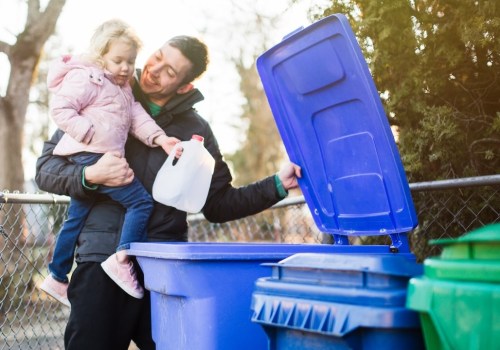
One of the most significant components of Lansing's recycling efforts is the curbside collection program. This program allows residents to conveniently dispose of their recyclable materials directly from their homes.Each household is provided with a designated recycling bin, which is collected bi-weekly. The curbside collection program accepts a wide range of materials, including:
- Plastics: Types 1 (PETE) and 2 (HDPE) are accepted, which are commonly found in bottles and containers.
- Metals: Aluminum cans and tin cans are recyclable, encouraging residents to recycle beverage containers.
- Papers: Most paper products, including newspapers, magazines, and cardboard, can be placed in the recycling bin.
- Glass: Clear, green, and brown glass containers are accepted, promoting the recycling of various glass products.
Drop-Off Centers
In addition to curbside collection, Lansing offers several drop-off centers throughout the city. These centers provide an alternative for residents who may not have access to curbside services or who wish to recycle larger items that do not fit in standard bins. The drop-off locations accept similar materials as the curbside program, ensuring that residents have multiple options for recycling.This flexibility is crucial for accommodating different lifestyles and encouraging higher participation rates.The accessibility of these services is a key factor in Lansing's recycling success. By providing both curbside collection and drop-off centers, the city ensures that all residents have the opportunity to engage in responsible recycling practices. This multifaceted approach not only facilitates waste reduction but also fosters a culture of sustainability within the community.Lansing's commitment to enhancing its recycling programs reflects a broader trend among municipalities striving for environmental responsibility. By continuously evaluating and improving these initiatives, Lansing aims to increase participation rates and ultimately contribute to a greener future for all its residents.
Key Metrics for Evaluating Recycling Success
Measuring the success of recycling programs in Lansing, Michigan, involves a comprehensive analysis of several key metrics.These metrics not only provide insights into the effectiveness of the programs but also help identify areas for improvement. Understanding these metrics is essential for both city officials and residents who are committed to enhancing sustainability efforts.
Diversion Rates
One of the most critical metrics for evaluating recycling success is the diversion rate. This percentage indicates how much waste is diverted from landfills through recycling and composting initiatives. A higher diversion rate signifies that a greater volume of materials is being recycled rather than disposed of, reflecting the effectiveness of Lansing's recycling programs.For instance, if Lansing achieves a diversion rate of 40%, it means that 40% of the waste generated is being recycled or composted, which is a positive indicator of community engagement and program efficiency.
Participation Rates
Another vital metric is the participation rate , which measures the percentage of households actively engaging in recycling practices. High participation rates often correlate with successful outreach and education efforts. For example, if 70% of households in Lansing are participating in recycling programs, it suggests that residents are well-informed about the importance of recycling and how to do it correctly. Tracking participation rates helps city officials understand community engagement levels and tailor educational campaigns to boost involvement.Contamination Levels
Contamination levels
refer to the presence of non-recyclable materials mixed in with recyclables.
High contamination rates can hinder the recycling process, leading to increased costs and inefficiencies. Monitoring these levels is crucial for identifying areas where educational outreach may be needed. For instance, if contamination rates are found to be above 15%, it may indicate that residents require more guidance on proper sorting practices. Reducing contamination not only improves program efficiency but also enhances the overall quality of recycled materials.
Material Recovery Rates
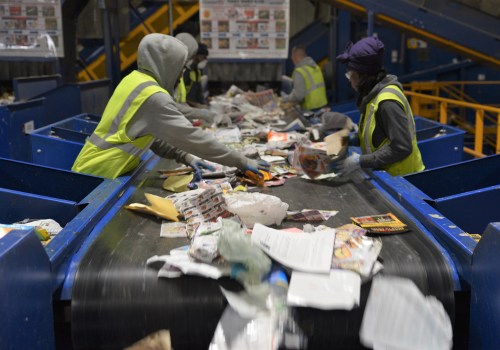
The material recovery rate tracks the amount of recyclable material successfully processed and sold to manufacturers.A higher recovery rate indicates that Lansing's recycling facilities are operating efficiently and effectively converting waste into reusable materials. For example, if Lansing reports a recovery rate of 75%, it means that three-quarters of collected recyclables are being successfully processed for reuse, showcasing the program's effectiveness.By analyzing these key metrics—diversion rates, participation rates, contamination levels, and material recovery rates—Lansing can continuously improve its recycling programs. Regular assessments allow for adjustments in strategies, ensuring that they meet community needs while promoting environmental sustainability.
Community Engagement and Participation Strategies
Community engagement is a cornerstone of Lansing, Michigan's recycling programs, as it directly influences the effectiveness and sustainability of these initiatives. The city has adopted a multifaceted approach to encourage residents to participate actively in recycling efforts, ensuring that environmental responsibility becomes a shared community value.Public Awareness Campaigns
Lansing has launched a series of public awareness campaigns aimed at educating residents about the importance of recycling and the specific materials that can be recycled.These campaigns utilize various platforms, including:
- Social Media: Engaging posts and informative graphics are shared across platforms like Facebook, Twitter, and Instagram to reach a broad audience.
- Local Newspapers: Articles and advertisements in community publications help inform residents about upcoming events and recycling guidelines.
- Community Events: Workshops and informational booths at local fairs provide hands-on learning opportunities for residents.
Incentives for Participation
To further motivate residents, Lansing has introduced several incentive programs. These initiatives are designed to reward households for their commitment to recycling. Some notable examples include:- Discounts on Waste Management Fees: Households that consistently participate in recycling may receive reductions in their waste management costs, providing a financial incentive to engage in sustainable practices.
- Raffles and Prizes: Residents who actively recycle can enter raffles for local prizes, such as gift cards to local businesses or tickets to community events.
- Neighborhood Competitions: Friendly competitions between neighborhoods encourage residents to work together towards achieving higher recycling rates, fostering community spirit while promoting sustainability.
Challenges Facing Recycling Programs in Lansing
Despite the commendable efforts made by Lansing, Michigan, in promoting recycling programs, several significant challenges hinder their overall effectiveness.Addressing these issues is crucial for enhancing the city’s sustainability goals and ensuring that residents can participate in meaningful recycling practices.
Contamination Issues
One of the most pressing challenges facing Lansing's recycling programs is contamination in recycling bins. Contamination occurs when non-recyclable items are mixed with recyclable materials, which can lead to entire batches being rejected by processing facilities. This not only wastes valuable resources but also increases operational costs for the city. For instance, common contaminants include plastic bags, food waste, and other materials that do not belong in recycling streams.To combat this issue, Lansing must enhance its educational outreach to inform residents about proper recycling practices and the importance of keeping recyclables clean and free from contaminants.
Public Awareness Gaps
A significant gap in public awareness also contributes to the challenges faced by Lansing's recycling initiatives. Many residents are unsure about what materials can be recycled or how to prepare them for collection. This lack of knowledge can lead to improper disposal practices, further exacerbating contamination issues. To bridge this gap, Lansing needs to invest in comprehensive educational campaigns that clearly outline acceptable materials and provide guidance on effective recycling methods.Workshops, informational flyers, and social media campaigns can play a vital role in raising awareness and encouraging responsible recycling behavior.
Budget Constraints
Another major hurdle is the budget constraints that Lansing faces. Limited financial resources can restrict the expansion of recycling services, including the availability of more drop-off locations or enhanced collection services. These constraints may also impact the city’s ability to invest in advanced sorting technologies or community education programs. As a result, lower participation rates may occur among residents who feel that recycling options are insufficient or inconvenient.To overcome these financial challenges, Lansing could explore partnerships with local businesses or seek grants aimed at supporting sustainability initiatives.
Market Fluctuations
The recycling market is subject to fluctuations that can significantly impact program viability. Changes in demand for recycled materials can affect the profitability of recycling operations, making it challenging for Lansing to maintain a sustainable program. For example, when global markets for recycled materials decline, cities may face increased costs for processing recyclables or even find themselves unable to sell certain materials altogether. This unpredictability necessitates a flexible approach to managing recycling programs and may require Lansing to adapt its strategies based on market conditions.Infrastructure Limitations
Lansing's existing infrastructure may not adequately support efficient recycling processes.Upgrading facilities and equipment requires substantial investment, which may not be feasible under current budgetary constraints. Without modernized facilities capable of handling diverse recyclable materials effectively, the city risks falling short of its sustainability goals. Addressing these infrastructure limitations will be essential for improving overall program efficiency and ensuring that Lansing can meet the growing demands of its community.In summary, while Lansing has made significant strides in developing its recycling programs, it must confront various challenges such as contamination issues, public awareness gaps, budget constraints, market fluctuations, and infrastructure limitations. By addressing these obstacles head-on through targeted strategies and community engagement efforts, Lansing can enhance its recycling initiatives and work towards a more sustainable future.
Case Studies: Successful Recycling Initiatives in Lansing
The city of Lansing, Michigan, has implemented a variety of successful recycling initiatives that not only enhance community engagement but also significantly improve recycling rates.These case studies exemplify effective strategies that can serve as models for other municipalities aiming to bolster their own recycling efforts.
The Curbside Recycling Program
One of the most impactful initiatives is the curbside recycling program , which underwent a major overhaul in 2018. This revamped program expanded the range of materials accepted for recycling, making it more inclusive and user-friendly. Residents are provided with designated bins for recyclables, which are collected bi-weekly from their homes. The convenience of curbside collection has led to a remarkable increase in participation, with over 30% more households engaging in recycling activities within the first year following the program's enhancement.Educational Outreach Campaigns
Lansing has also prioritized educational outreach as a means to improve recycling practices among its residents. The city launched a series of workshops and informational sessions designed to teach community members about proper recycling techniques and the importance of reducing contamination in recycling bins.Feedback from these sessions has been overwhelmingly positive, with participants reporting increased knowledge and motivation to recycle correctly. This educational push has resulted in a noticeable decrease in contamination rates, ensuring that more materials are processed effectively.
Community Recycling Events
Another successful initiative is the organization of community recycling events. These events provide residents with opportunities to drop off hard-to-recycle items, such as electronics and hazardous waste, which are not typically accepted through regular curbside collection. In 2022, Lansing hosted its largest community recycling event to date, collecting over 10 tons of recyclable materials.This not only helped divert significant waste from landfills but also fostered a sense of community involvement and responsibility towards sustainability.These case studies highlight that through innovative programs and active community engagement, Lansing's recycling initiatives are making a tangible impact on waste reduction and environmental sustainability. By continuously evaluating and improving these programs, the city sets a benchmark for other municipalities looking to enhance their own recycling efforts.
Future Directions for Recycling Programs in Lansing
As Lansing, Michigan, looks to the future of its recycling programs, several promising directions are emerging that aim to enhance efficiency, increase community participation, and promote sustainability. These initiatives focus on integrating innovative technologies, enhancing community education, and implementing policy improvements that can streamline operations.Innovative Technologies
One of the most exciting prospects for Lansing's recycling programs is the adoption of advanced sorting technologies. By leveraging artificial intelligence (AI) and machine learning, the city can improve the accuracy of sorting recyclable materials.These technologies can identify and separate different types of plastics, metals, and paper products with greater precision than traditional methods. This not only reduces contamination rates but also increases the overall recovery of recyclable materials.Additionally, Lansing is exploring the use of automated collection systems that can optimize routes for waste collection vehicles. By utilizing real-time data analytics, these systems can reduce fuel consumption and operational costs while ensuring that recycling bins are emptied more efficiently.
Community Education Initiatives
To foster a culture of recycling within the community, Lansing plans to enhance its educational outreach efforts. Future initiatives may include:- Workshops and Seminars: Regularly scheduled events that educate residents about proper recycling practices and the environmental impact of waste.
- School Programs: Collaborations with local schools to integrate recycling education into the curriculum, encouraging students to adopt sustainable habits from a young age.
- Digital Campaigns: Utilizing social media platforms to disseminate information about what can be recycled and how to reduce contamination.
Policy Improvements
Lansing is also considering various policy improvements that could enhance its recycling programs.Potential changes may include:
- Incentive Programs: Developing partnerships with local businesses to create incentives for residents who actively participate in recycling efforts.
- Streamlined Regulations: Simplifying guidelines for what can be recycled to reduce confusion among residents and improve compliance.
- Funding Opportunities: Seeking grants and state funding to support the expansion of recycling services and infrastructure upgrades.
FAQs about Recycling Programs in Lansing, Michigan
As residents of Lansing, Michigan, become increasingly engaged in sustainability efforts, many have questions about the city's recycling programs. Understanding these programs is essential for maximizing participation and ensuring effective waste management. Below are some frequently asked questions that clarify how Lansing's recycling initiatives operate and what residents can do to contribute.What materials can be recycled in Lansing?
Lansing's recycling program accepts a diverse range of materials to promote effective waste diversion. Here’s a list of commonly accepted items:- Plastics: Look for recycling symbols #1 (PETE) and #2 (HDPE).
These include most beverage bottles and containers.
- Metals: Aluminum cans (like soda cans) and tin cans (such as food cans) are recyclable.
- Papers: Most paper products, including newspapers, magazines, office paper, and cardboard, can be recycled.
- Glass: Clear, green, and brown glass containers are accepted. Ensure they are clean and free from food residue.
How does Lansing measure the success of its recycling programs?
The city employs several metrics to evaluate the effectiveness of its recycling initiatives:- Recycling Rates: This percentage indicates how much waste is diverted from landfills through recycling efforts. A higher rate reflects successful community engagement.
- Community Participation: Tracking the number of households actively participating in recycling helps gauge public involvement and awareness.
- Contamination Rates: Monitoring the amount of non-recyclable materials found in recycling bins is crucial for maintaining program efficiency. Lower contamination rates suggest better public understanding of recycling practices.
What should I do if my recycling is not picked up?
If your recycling was not collected on the scheduled day, consider taking the following steps:- Check Collection Schedule: Ensure you are aware of your designated pickup day and any potential changes due to holidays or weather conditions.
- Inspect Your Bin: Verify that all items placed in your bin were acceptable and properly prepared for recycling.
Items should be clean and free from food residue.
- Contact City Services: If issues persist or if you have concerns about missed pickups, reach out to Lansing's waste management department for assistance.
Conclusion: The Importance of Measuring Success in Recycling Programs
In summary, the measurement of success in recycling programs is a critical component for the city of Lansing, Michigan, as it strives to enhance its sustainability efforts. By systematically evaluating various metrics, Lansing can gain valuable insights into the effectiveness of its recycling initiatives and identify areas that require improvement.One of the primary reasons for measuring success is to ensure that the community remains engaged and informed about recycling practices. When residents see tangible results from their efforts—such as increased recycling rates or reduced contamination levels—they are more likely to feel motivated to participate actively in these programs. This sense of accomplishment fosters a culture of sustainability within the community, encouraging individuals to adopt environmentally friendly habits beyond just recycling.Moreover, effective measurement plays a vital role in securing funding and resources necessary for expanding and improving recycling programs.By demonstrating positive outcomes through data analysis, Lansing can attract grants and support from state and federal initiatives aimed at promoting environmental sustainability. This financial backing is essential for implementing new technologies, enhancing educational outreach, and expanding service availability.Additionally, tracking the success of recycling initiatives aligns with broader environmental goals. As Lansing continues to assess its recycling efforts, it can better align its strategies with objectives such as reducing greenhouse gas emissions and conserving natural resources. This alignment not only benefits the local community but also contributes to global sustainability efforts.Ultimately, measuring success in recycling programs is not merely about numbers; it reflects a commitment to fostering a sustainable future for Lansing.
By prioritizing continuous improvement and community engagement, Lansing sets a benchmark for other municipalities seeking to enhance their own recycling initiatives. The city’s dedication to sustainability will undoubtedly pave the way for a greener future, benefiting both current residents and generations to come.