In recent years, recycling programs in Lansing, Michigan have gained significant attention as the city strives to enhance its sustainability efforts. With growing concerns about environmental impact and waste management, Lansing has taken proactive steps to implement effective recycling initiatives. These programs not only aim to reduce landfill waste but also promote community engagement and awareness regarding the importance of recycling. One of the key aspects of Lansing's approach to recycling is the establishment of partnerships with neighboring cities and organizations. By collaborating with local municipalities, Lansing seeks to create a more cohesive and efficient recycling system that benefits the entire region.
These partnerships often involve sharing resources, best practices, and educational materials to ensure that residents are well-informed about proper recycling methods. As we delve deeper into the various sustainability efforts undertaken by Lansing and its partners, it becomes clear that these initiatives are not just about compliance with regulations; they represent a commitment to fostering a culture of environmental responsibility. Through innovative programs and community involvement, Lansing is setting a benchmark for other cities in Michigan, demonstrating that effective recycling is achievable through collaboration and shared goals.
Overview of Recycling Programs in Lansing, Michigan
Lansing, Michigan, has made significant strides in establishing recycling programs that cater to the needs of its residents while promoting environmental sustainability. The city’s waste management strategy emphasizes the importance of recycling as a means to reduce landfill waste and conserve natural resources.Types of Materials Accepted
- Plastics: Lansing accepts various types of plastics, including #1 (PETE) and #2 (HDPE) containers.
- Metals: Aluminum cans and tin cans are recyclable through the city’s programs.
- Paper Products: Residents can recycle newspapers, magazines, and cardboard.
- Glass: Clear, green, and brown glass bottles are accepted.
Collection Schedules
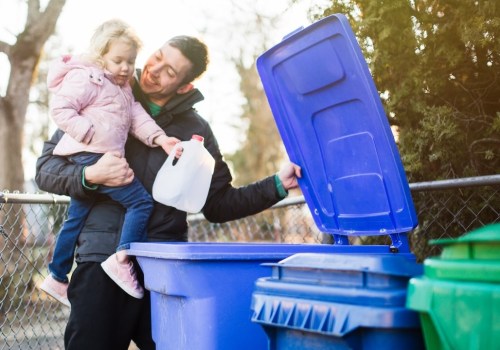
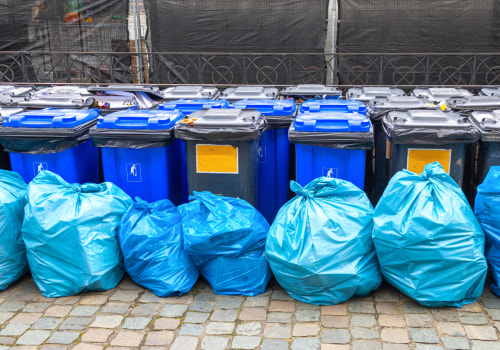
The city operates a bi-weekly curbside collection service for recyclables. Residents are encouraged to place their recycling bins out on designated collection days, which are typically scheduled based on their neighborhood.
This systematic approach helps ensure that materials are collected efficiently and reduces contamination in the recycling stream.
Community Involvement
Lansing actively promotes community involvement in its recycling initiatives. Educational programs are regularly conducted in schools and community centers to raise awareness about the importance of recycling. Additionally, the city hosts events such as Recycling Drives, where residents can drop off hard-to-recycle items like electronics and hazardous waste.The collaboration between local organizations and the city government further enhances these efforts, creating a robust network dedicated to improving recycling rates and fostering a culture of sustainability within Lansing.
Partnerships with Neighboring Cities
In recent years, Lansing, Michigan has recognized the importance of collaboration with neighboring cities to enhance its recycling programs. These partnerships not only improve recycling rates but also foster a sense of community responsibility towards sustainable waste management.One notable collaboration is between Lansing and the city of East Lansing.Together, they have initiated joint recycling drives that encourage residents to participate in recycling efforts. These events often include educational workshops that inform citizens about proper recycling practices and the benefits of reducing waste.Additionally, Lansing has partnered with Meridian Township to streamline recycling services. This partnership allows for shared resources, such as recycling bins and collection schedules, making it easier for residents to access recycling facilities. By coordinating their efforts, both municipalities have been able to reduce costs and increase efficiency in their recycling programs.Another significant initiative is the collaboration with Williamston, where both cities have developed a regional recycling program that focuses on expanding the types of materials accepted for recycling.
This program aims to educate residents on what can be recycled and encourages them to participate actively.The success of these partnerships highlights the importance of regional collaboration in enhancing recycling efforts. By working together, Lansing and its neighboring cities can share best practices, resources, and knowledge, ultimately leading to a more effective and sustainable approach to waste management.As these partnerships continue to evolve, they serve as a model for other regions looking to improve their own recycling programs. The collective impact of these initiatives not only benefits the environment but also strengthens community ties among residents.
Case Studies of Successful Recycling Partnerships
In recent years, Lansing, Michigan, has engaged in several successful recycling partnerships with neighboring cities, showcasing the power of collaboration in enhancing recycling programs. These partnerships not only improve recycling rates but also foster community engagement and environmental awareness.Case Study 1: Lansing and East Lansing
A notable example is the partnership between Lansing and East Lansing.This collaboration focuses on a joint recycling initiative that allows residents of both cities to access shared resources and facilities. By combining their efforts, they have implemented a comprehensive curbside recycling program that has significantly increased participation rates. The cities conducted joint educational campaigns, emphasizing the importance of recycling and providing clear guidelines on what can be recycled.
Case Study 2: Ingham County Recycling Program
Another successful case is the Ingham County Recycling Program, which includes Lansing and several surrounding municipalities. This program has established a centralized recycling drop-off center that serves multiple communities.The collaboration has led to a reduction in contamination rates, as residents are better informed about proper recycling practices through shared workshops and outreach events.
Impact on the Community
The impact of these collaborative efforts is evident in the increased volume of materials being recycled and a growing community commitment to sustainability. Surveys conducted post-implementation show that residents feel more empowered to participate in recycling initiatives when they see their local governments working together. Additionally, these partnerships have led to cost savings for both cities by pooling resources for educational materials and collection services.Overall, the case studies of successful recycling partnerships in Lansing highlight the effectiveness of collaboration in enhancing recycling programs. By working together, neighboring cities can create more robust systems that benefit not only the environment but also the community as a whole.Challenges Faced by Recycling Programs in Lansing and Surrounding Areas
The recycling programs in Lansing, Michigan, and its neighboring cities face a variety of challenges that hinder their effectiveness and sustainability.Understanding these barriers is crucial for improving waste management practices in the region.
- Contamination: One of the most significant issues plaguing recycling efforts is contamination. Many residents are unaware of what materials are recyclable, leading to non-recyclable items being placed in recycling bins. This not only complicates the sorting process but also increases costs for waste management facilities.
- Funding: Adequate funding is essential for maintaining and expanding recycling programs. In Lansing, budget constraints often limit the resources available for public education campaigns and the development of more efficient recycling infrastructure.
Without sufficient financial support, it becomes challenging to implement effective solutions.
- Public Awareness: A lack of awareness about the importance of recycling and proper waste disposal methods contributes to low participation rates. Many residents may not fully understand how their actions impact the environment or the local economy. Educational initiatives are necessary to inform the community about best practices in recycling.
- Logistical Issues: The logistics of collecting and processing recyclables can also pose challenges. In some areas, irregular collection schedules or insufficient access to recycling drop-off locations can discourage participation.
Streamlining these processes is vital for increasing community engagement.
Future of Recycling Efforts in Lansing and Neighboring Cities
The future of recycling efforts in Lansing, Michigan, and its neighboring cities looks promising as local governments and organizations are increasingly prioritizing sustainability. With a growing awareness of environmental issues, several upcoming initiatives are set to enhance recycling programs in the region.One of the key initiatives is the expansion of curbside recycling services. Lansing plans to introduce more comprehensive recycling options that include a wider range of materials, such as plastics and electronics.This initiative aims to reduce landfill waste and promote responsible disposal practices among residents.Additionally, partnerships with neighboring cities are being explored to create a more cohesive approach to recycling. By collaborating on educational campaigns and resource sharing, these cities can maximize their impact and efficiency. For instance, joint workshops on proper recycling techniques can help residents understand what can and cannot be recycled, thereby reducing contamination rates.
Sustainability goals
are also at the forefront of Lansing's future plans. The city has set ambitious targets to increase its recycling rate by 25% over the next five years.
This goal aligns with Michigan's broader sustainability objectives, which emphasize reducing waste and promoting circular economy practices.Moreover, Lansing is looking into innovative technologies that can streamline recycling processes. For example, investing in advanced sorting facilities could significantly improve the efficiency of material recovery. These facilities would utilize state-of-the-art machinery to separate recyclables from waste more effectively, ensuring that more materials are diverted from landfills.In conclusion, the future of recycling in Lansing and its neighboring cities is geared towards creating a more sustainable environment through enhanced programs, community engagement, and technological advancements. As these initiatives unfold, they will not only benefit local ecosystems but also foster a culture of sustainability among residents.
FAQs about Recycling Programs in Lansing, Michigan
Residents of Lansing, Michigan often have questions about the local recycling programs and how to effectively participate in them.Here are some frequently asked questions that can help clarify common concerns:
What materials can I recycle in Lansing?
The City of Lansing accepts a variety of recyclable materials. Commonly accepted items include:- Plastics: Containers labeled with recycling codes 1 (PETE) and 2 (HDPE).
- Metals: Aluminum cans and tin cans.
- Paper: Newspaper, cardboard, and office paper.
- Glass: Clear, green, and brown glass bottles and jars.
How do I know if my items are recyclable?
If you’re unsure whether an item is recyclable, check for the recycling symbol on the packaging. Additionally, the City of Lansing provides resources on their official website that detail what can and cannot be recycled.What should I do with non-recyclable items?
Items that cannot be recycled should be disposed of in your regular trash. For hazardous waste, such as batteries or electronics, check for special collection events or designated drop-off locations in Lansing.Are there any local recycling events?
Lansing often hosts community recycling events where residents can drop off specific items that are not typically accepted in curbside recycling.Keep an eye on local announcements or the city’s website for upcoming events.
How can I get involved in promoting recycling in my community?
You can help promote recycling by educating your neighbors about proper recycling practices, participating in local clean-up events, or volunteering with organizations focused on sustainability. Every small effort contributes to a cleaner environment!If you have more questions about recycling programs in Lansing, Michigan, consider reaching out to the city’s public works department for further assistance.Conclusion: The Importance of Collaborative Recycling Efforts
In conclusion, the collaborative efforts between Lansing, Michigan, and its neighboring cities play a crucial role in enhancing recycling programs and promoting sustainability within the community. As we have explored, effective recycling is not just a local endeavor; it requires a network of partnerships that can share resources, knowledge, and best practices.By working together, cities can:- Maximize Resources: Pooling resources allows for more efficient use of funds and materials, leading to improved recycling facilities and services.
- Standardize Practices: Collaboration helps in establishing uniform recycling guidelines, making it easier for residents to understand what can and cannot be recycled.
- Enhance Education: Joint educational campaigns can raise awareness about the importance of recycling and how to participate effectively, fostering a culture of sustainability.
- Increase Participation: When neighboring cities promote similar initiatives, it encourages residents to engage in recycling efforts, knowing they are part of a larger movement.
By uniting efforts, Lansing and its neighbors can create a more sustainable future that benefits not only their communities but also the environment as a whole.Ultimately, fostering these partnerships is essential for achieving long-term goals in waste reduction and resource conservation. As residents become more involved in these initiatives, they contribute to a healthier planet and a more vibrant community.