The journey of recycling programs in Lansing, Michigan is a compelling narrative that reflects the city’s evolving commitment to environmental sustainability and community engagement. As awareness of environmental issues has grown over the decades, so too has the recognition of recycling as a critical component in reducing waste and conserving natural resources. This evolution is not merely a response to global trends; it is a local movement driven by the residents of Lansing who have embraced the importance of responsible waste management.Historically, Lansing's approach to recycling began with grassroots efforts that highlighted the need for organized waste management practices. The early initiatives were often spearheaded by passionate community members who understood that recycling was not just about managing waste but also about fostering a culture of sustainability.
As these efforts gained traction, they laid the groundwork for more structured programs that would eventually encompass a wide range of materials and services.Today, the landscape of recycling in Lansing is characterized by a variety of programs designed to meet the diverse needs of its residents. From curbside collection to educational outreach, these initiatives reflect a comprehensive strategy aimed at increasing participation and reducing landfill waste. The city’s commitment to recycling is evident in its ongoing efforts to engage the community, educate residents about proper recycling practices, and adapt to changing environmental standards.As we delve deeper into the history and evolution of recycling programs in Lansing, it becomes clear that this journey is not just about policies and procedures; it is about building a sustainable future for generations to come. By understanding the past, we can appreciate the progress made and recognize the challenges that lie ahead in our collective pursuit of environmental stewardship.
The Early Days of Recycling Initiatives
The 1970s marked a pivotal era in the environmental movement across the United States, and Lansing, Michigan, was no exception.During this decade, the seeds of recycling were sown through grassroots initiatives that reflected a growing awareness of environmental issues and a desire for community action. The early days of recycling in Lansing were characterized by passionate individuals and local organizations coming together to address the pressing concerns of waste management and pollution.In 1971, a group of dedicated local activists organized the first recycling drive in Lansing. This event was not merely a collection effort; it was a rallying point for residents who were increasingly concerned about the impact of waste on their community and the environment. The drive focused on collecting paper, glass, and aluminum cans, emphasizing the importance of reducing landfill contributions.
The success of this initiative ignited interest among city officials and residents alike, laying the groundwork for more structured recycling efforts.As awareness grew, so did the momentum for organized recycling programs. By the late 1970s, Lansing saw the establishment of its first formal recycling program. This initiative aimed to educate residents about the benefits of recycling while providing convenient drop-off locations for recyclable materials. The city recognized that community involvement was essential for success; thus, partnerships with local businesses and organizations were formed to promote these initiatives.Community engagement during this period was vital.
Local schools played an instrumental role in fostering a culture of sustainability by incorporating recycling education into their curricula. Students learned about waste reduction and how their actions could positively impact the environment. Civic groups also organized events to raise awareness about recycling practices, further solidifying community commitment to environmental stewardship.In summary, the early days of recycling initiatives in Lansing were marked by grassroots efforts that laid a strong foundation for future programs. The collaboration between residents, local organizations, and city officials demonstrated that collective action could lead to meaningful change.
As these early initiatives gained traction, they set the stage for more comprehensive recycling strategies that would evolve in subsequent decades, ultimately shaping Lansing's approach to sustainability.
Establishment of Formal Recycling Programs
The transition from informal to formal recycling programs in Lansing, Michigan, represents a pivotal moment in the city’s environmental strategy. This evolution began in the late 1980s, driven by a growing awareness of the need for structured waste management practices. Prior to this period, recycling efforts were largely community-driven and sporadic, lacking the organization necessary to make a significant impact.In 1990, Lansing officially launched its first formal recycling program, marking a significant milestone in the city’s commitment to sustainability. This program was primarily focused on residential areas and aimed to reduce landfill waste while promoting environmental awareness among residents.The introduction of curbside collection services was a game-changer, allowing residents to easily participate in recycling efforts without the need to travel to drop-off locations.The curbside recycling initiative included the collection of various materials such as:
- Paper: Newspapers, magazines, and cardboard were accepted, encouraging residents to recycle their paper waste.
- Glass: Clear, green, and brown glass bottles were included in the program, helping to divert these materials from landfills.
- Plastics: Initially, only certain types of plastics were accepted, but this would expand over time as the program evolved.
These campaigns included workshops and informational brochures that detailed what materials could be recycled and how to prepare them for collection.As Lansing's formal recycling programs continued to develop throughout the 1990s and beyond, they laid a strong foundation for future initiatives. The city’s commitment to enhancing its recycling infrastructure has not only contributed to waste reduction but has also fostered a culture of sustainability within the community.
Key Milestones in Lansing's Recycling History
The history of recycling programs in Lansing, Michigan, is marked by several key milestones that reflect the city’s evolving commitment to sustainability and environmental responsibility. Each significant event has contributed to shaping the recycling landscape and fostering community engagement.- 1970s: The Beginning of Recycling Initiatives
In the early 1970s, Lansing's journey towards effective recycling began with grassroots efforts led by local environmental groups. These initiatives aimed to raise awareness about waste management and the importance of recycling, laying the foundation for future programs. - 1989: Establishment of the City’s First Curbside Recycling Program
In 1989, Lansing launched its first curbside recycling program, allowing residents to easily participate in recycling efforts.This program marked a significant step in making recycling accessible to a broader audience, encouraging more residents to engage in sustainable practices.
- 1995: Expansion of Materials Accepted
By 1995, the city expanded its recycling program to include a wider variety of materials, such as plastics and metals. This expansion was crucial in increasing participation rates and reducing landfill waste, demonstrating the city’s responsiveness to community needs. - 2000: Introduction of Educational Campaigns
Recognizing the need for public education, Lansing initiated campaigns to inform residents about proper recycling practices. These campaigns included workshops, school programs, and informational brochures aimed at enhancing community knowledge about recycling. - 2010: Launch of Single-Stream Recycling
In 2010, Lansing transitioned to a single-stream recycling system, allowing residents to place all recyclables in one bin without sorting. This change simplified the process and significantly boosted participation rates, making it easier for residents to contribute to waste reduction efforts. - 2020: Achieving a 30% Recycling Rate
By 2020, Lansing achieved a notable milestone with a recycling rate of 30%.This achievement was celebrated as a testament to the community's commitment to sustainability and effective waste management practices.
Challenges Faced by Recycling Programs
The journey of recycling programs in Lansing, Michigan, has been marked by significant achievements, but it has also faced a variety of challenges that have impacted their effectiveness. Understanding these obstacles is crucial for developing more robust and sustainable recycling initiatives in the future.Contamination Issues
One of the most pressing challenges for Lansing's recycling programs is contamination. Contamination occurs when non-recyclable materials are mixed with recyclables, leading to entire batches being deemed unsuitable for processing.This issue not only undermines the efficiency of recycling efforts but also increases operational costs for waste management facilities. Common contaminants include:
- Plastic bags: These can jam machinery and disrupt the sorting process.
- Food waste: Items like pizza boxes or containers with leftover food can contaminate recyclable materials.
- Styrofoam: Often not accepted in curbside programs, it can complicate the recycling stream.
Funding Limitations
Another significant challenge facing Lansing's recycling programs is funding limitations. Budget constraints can hinder the city’s ability to invest in necessary infrastructure, such as modern recycling facilities or advanced sorting technologies.These limitations can lead to:
- Reduced services: In some cases, budget cuts may result in fewer drop-off locations or less frequent curbside collection.
- Lack of educational resources: Insufficient funding can limit outreach efforts that are essential for raising public awareness about recycling.
- Inability to adapt to market changes: Fluctuations in the market for recyclable materials can strain budgets, making it difficult to maintain effective programs.
Community Involvement and Educational Initiatives
Community involvement and educational initiatives are pivotal to the success of recycling programs in Lansing, Michigan. The city has recognized that fostering a culture of sustainability requires active participation from its residents, local organizations, and schools. This collaborative approach not only enhances public awareness but also encourages individuals to take responsibility for their waste management practices.One of the most effective strategies has been the organization of community recycling events.These events provide residents with opportunities to drop off materials that may not be accepted through regular curbside pickups, such as electronics and hazardous waste. By facilitating these events, Lansing not only helps divert waste from landfills but also educates participants on proper recycling methods.
Educational Programs on Recycling
The City of Lansing has implemented a variety of educational programs aimed at increasing awareness about recycling. Workshops and seminars are regularly conducted to inform residents about what can and cannot be recycled. These sessions often include:- Hands-on demonstrations: Residents learn how to sort recyclables correctly, which is crucial for reducing contamination rates.
- School programs: Local schools have integrated recycling education into their curricula, teaching students about the importance of waste reduction and how they can contribute to their community's recycling efforts.
- Informational materials: The city distributes brochures and flyers that outline recycling guidelines, helping to clarify common misconceptions.
Local Partnerships for Sustainability
Lansing's success in enhancing its recycling programs is also attributed to strong partnerships with local organizations and businesses.Collaborations with environmental groups have led to:
- Joint initiatives: Community clean-up days and educational workshops that engage residents in sustainability efforts.
- Sponsorships: Local businesses often sponsor recycling events, providing resources and incentives for participation.
- Awareness campaigns: Social media campaigns that promote upcoming events and share tips on effective recycling practices.
Recent Developments and Future Directions for Recycling in Lansing
In recent years, the landscape of recycling programs in Lansing, Michigan has seen significant advancements, reflecting a growing commitment to sustainability and community engagement. These developments are not only aimed at improving recycling rates but also at fostering a culture of environmental responsibility among residents.One of the most notable changes has been the transition to single-stream recycling. This system allows residents to place all recyclable materials into one bin without the need for sorting.By simplifying the recycling process, Lansing has made it easier for residents to participate, resulting in a marked increase in the volume of materials being recycled. This shift has proven effective in reducing contamination rates, which have historically hindered recycling efforts.Additionally, Lansing has actively partnered with local organizations to enhance educational campaigns that inform residents about proper recycling practices. These initiatives aim to clarify what materials can be recycled and how to prepare them for collection. Workshops, community events, and social media outreach have become essential tools in raising awareness and encouraging participation.Looking ahead, Lansing's sustainability goals are ambitious and multifaceted.
The city plans to expand its recycling programs to include a broader range of materials, such as electronics and textiles. This expansion is crucial as it addresses the growing concern over e-waste and the environmental impact of discarded textiles. To facilitate this, Lansing is exploring partnerships with specialized recycling facilities capable of handling these items responsibly.Moreover, there is an ongoing discussion about implementing incentives for local businesses that adopt sustainable practices, including enhanced recycling efforts. By encouraging businesses to participate actively in recycling initiatives, Lansing aims to create a more comprehensive approach to waste management that includes both residential and commercial sectors.Technology will also play a pivotal role in the future of Lansing's recycling programs.
The city is considering the development of mobile applications that provide residents with real-time information on recycling schedules and guidelines. Such technological advancements could significantly improve community engagement by making it easier for residents to stay informed and involved.In conclusion, the recent developments in recycling programs in Lansing, coupled with forward-thinking plans for the future, highlight the city's dedication to sustainability. By continuing to innovate and adapt its strategies, Lansing is setting a positive example for other municipalities striving for effective waste management and environmental stewardship.
FAQs about Recycling Programs in Lansing, Michigan
Recycling is an essential aspect of waste management in Lansing, Michigan, and many residents have questions about how to effectively participate in these programs. Below are some frequently asked questions that can help clarify the recycling process and guidelines in Lansing.What materials can I recycle in Lansing?
Lansing's recycling program accepts a variety of materials, which include:- Plastics: Containers labeled with recycling symbols #1 (PETE) and #2 (HDPE) are accepted.
- Metals: Aluminum cans and tin cans can be recycled.
- Papers: Most paper products, including newspapers, magazines, and cardboard, are recyclable.
- Glass: Clear, green, and brown glass bottles are accepted for recycling.
How do I prepare my recyclables?
To ensure that your recyclables are processed correctly and efficiently, follow these preparation tips:- Rinse containers: Clean out any food residue from containers to avoid contamination.
- Flatten cardboard: This helps save space in your recycling bin.
- Avoid wish-cycling: Only place accepted materials in your recycling bin to prevent contamination.
What happens to my recyclables after collection?
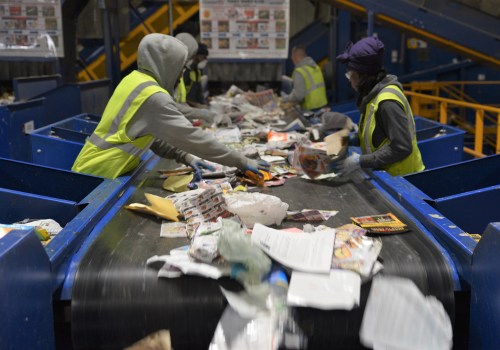
Once collected, your recyclables are transported to a materials recovery facility.Here, they undergo sorting, cleaning, and processing into raw materials. These materials are then sold to manufacturers who create new products. This process is crucial for reducing landfill waste and conserving natural resources.
Are there any items that cannot be recycled?
Yes, certain items should not be placed in the recycling bin as they can disrupt the recycling process. These include:- Plastic bags: These can jam machinery at recycling facilities.
- Pizza boxes: Often contaminated with grease and food waste.
- Styrofoam: Not accepted in curbside recycling programs.
Engaging with these resources can enhance your understanding and participation in Lansing's recycling efforts.
Conclusion: The Importance of Recycling for Lansing's Future
As we conclude our exploration of the recycling programs in Lansing, Michigan, it is essential to recognize the profound impact these initiatives have on the community and the environment. The journey of recycling in Lansing has evolved significantly, reflecting a growing commitment to sustainability and responsible waste management. This evolution not only highlights the progress made but also emphasizes the ongoing challenges that must be addressed to ensure a sustainable future.The importance of recycling extends beyond mere waste reduction; it encompasses a broader vision of environmental stewardship. By actively participating in recycling programs, residents contribute to conserving natural resources, reducing pollution, and minimizing landfill waste.Each item recycled represents a step towards a cleaner, healthier environment for future generations.Moreover, the economic benefits of robust recycling programs cannot be overlooked. Recycling creates jobs, stimulates local economies, and reduces costs associated with waste disposal. As Lansing continues to enhance its recycling efforts, it positions itself as a leader in sustainable practices, attracting businesses and residents who value environmental responsibility.Community engagement remains a cornerstone of successful recycling initiatives. The collaboration between local organizations, schools, and residents fosters a culture of sustainability that encourages active participation.
Educational campaigns play a vital role in informing residents about proper recycling practices and the significance of their contributions. By empowering individuals with knowledge, Lansing can further increase participation rates and reduce contamination in recycling streams.Looking ahead, it is crucial for Lansing to remain committed to expanding its recycling programs. This includes exploring innovative solutions such as advanced sorting technologies and partnerships with specialized recycling facilities. Additionally, integrating technology into recycling initiatives can enhance accessibility and streamline communication with residents.In summary, the future of recycling programs in Lansing hinges on continued community involvement, education, and innovation.
As we reflect on the strides made thus far, it is clear that every effort counts in building a sustainable future. By prioritizing recycling and environmental stewardship, Lansing can set an example for other communities while ensuring a healthier planet for generations to come.