In recent years, the importance of recycling has become increasingly evident, particularly in communities like Lansing, Michigan. As environmental concerns grow, the need for effective recycling programs in Lansing, Michigan has taken center stage. These initiatives not only aim to reduce waste but also play a crucial role in conserving natural resources and promoting sustainability. By engaging in recycling, residents can contribute to a healthier planet while fostering a sense of community responsibility.Recycling is more than just a routine chore; it is a vital practice that impacts our environment and local economy.
In Lansing, the city has implemented various programs designed to make recycling accessible and efficient for all residents. However, despite these efforts, many individuals still hold misconceptions about what can be recycled and how their participation truly makes a difference. This lack of understanding can lead to improper recycling practices, which ultimately undermine the effectiveness of local initiatives.Community engagement is essential for the success of recycling programs. When residents are informed about the benefits of recycling and the correct procedures to follow, they are more likely to participate actively.
This collective effort not only enhances the efficiency of recycling operations but also cultivates a culture of sustainability within Lansing. As we delve deeper into this topic, we will explore common myths surrounding recycling programs in Lansing, Michigan, aiming to clarify these misconceptions and empower residents to take meaningful action.
Common Myths About Recycling Programs
In Lansing, Michigan, the conversation about recycling is often clouded by a number of persistent myths and misconceptions. These misunderstandings can lead to confusion among residents and ultimately hinder the effectiveness of local recycling programs. By addressing these myths head-on, we can foster a more informed community that actively participates in sustainable practices.Myth 1: All Plastics Are Recyclable
A common belief is that all plastic items can be recycled.
However, this is not the case in Lansing. The recyclability of plastic depends on its type, which is indicated by a number inside the recycling symbol. For instance, while Type 1 (PETE) and Type 2 (HDPE) plastics are accepted, others like Type 3 (PVC) and Type 6 (PS) are not. Understanding these distinctions is crucial for effective participation in recycling programs.
Myth 2: Recycling Is Not Worth the Effort
Some residents may feel that their individual contributions to recycling are insignificant.
This misconception overlooks the cumulative impact of community efforts. When everyone participates, even small actions can lead to substantial environmental benefits, such as reducing landfill waste and conserving natural resources.
Myth 3: Contaminated Items Can Be Recycled
Another prevalent myth is that any item placed in the recycling bin will be recycled, regardless of its condition. In reality, contamination from food residue or non-recyclable materials can spoil entire batches of recyclables. To avoid this, residents should ensure that items are clean and free from food waste before placing them in the bin.
Myth 4: Recycling Programs Are Too Complicated
Many people believe that navigating recycling programs is overly complex.
However, Lansing's recycling initiatives are designed to be user-friendly. The city provides clear guidelines and educational resources to help residents understand what can and cannot be recycled.
Myth 5: The City Does Not Support Recycling
Some individuals think that local government does not actively promote recycling efforts. On the contrary, Lansing has implemented various initiatives to enhance recycling participation, including curbside collection services and community education programs aimed at raising awareness about proper recycling practices.By debunking these myths about recycling in Lansing, we can empower residents with accurate information that encourages responsible recycling habits. Understanding the realities of local recycling programs not only enhances individual participation but also strengthens the community's overall commitment to sustainability.
Myth 1: All Plastics Are Recyclable
One of the most widespread misconceptions regarding recycling programs in Lansing, Michigan is the belief that all plastics are recyclable.This misunderstanding can lead to significant confusion among residents and ultimately undermine the effectiveness of local recycling initiatives. To clarify, not all plastics can be processed through Lansing's recycling program, and understanding which types are accepted is crucial for effective participation.The recyclability of plastic is determined by its type, which is indicated by a number inside the recycling symbol. Here’s a detailed breakdown of the most common types of plastics and their recyclability in Lansing:
- Type 1 (PETE) : Commonly found in items like water bottles and soft drink containers, this type of plastic is widely accepted in Lansing's recycling program.
- Type 2 (HDPE) : Used for products such as milk jugs and detergent bottles, HDPE is also recyclable in Lansing.
- Type 3 (PVC) : Often used in plumbing pipes and clear food packaging, PVC is not accepted in local recycling efforts.
- Type 4 (LDPE) : Found in grocery bags and some food wraps, LDPE is typically not recyclable through curbside programs.
- Type 5 (PP) : Used for yogurt containers and straws, PP may be accepted in some areas but is not consistently processed in Lansing.
- Type 6 (PS) : Commonly seen in disposable coffee cups and takeout containers, PS is generally not recyclable.
- Type 7 (Other) : This category includes various other plastics, many of which are not recyclable.
Items like plastic bags, polystyrene foam containers, and certain types of food packaging are often excluded due to contamination issues or the lack of facilities to process them.Understanding these distinctions is essential for residents who want to engage meaningfully in their community's recycling efforts. By ensuring that only accepted materials are placed in recycling bins, residents can help improve the overall efficiency of recycling programs in Lansing, reduce contamination rates, and contribute to a more sustainable environment. This knowledge empowers individuals to make informed decisions about their waste disposal practices and fosters a culture of responsibility within the community.
Myth 2: Recycling Is Not Worth the Effort
One of the most pervasive myths surrounding recycling programs in Lansing, Michigan, is the belief that individual efforts in recycling are insignificant and do not contribute to meaningful change. This misconception can lead to apathy and disengagement from local recycling initiatives, ultimately undermining the collective impact that a community can achieve through responsible waste management.In reality, the benefits of recycling extend far beyond individual actions.When residents actively participate in recycling programs, they contribute to a larger movement that fosters environmental sustainability and community well-being. Here are some key reasons why engaging in recycling is not only worthwhile but essential:
Environmental Benefits
- Reduction of Landfill Waste: Recycling significantly decreases the volume of waste sent to landfills. By diverting materials such as paper, plastics, and metals from landfills, we conserve valuable space and reduce the environmental hazards associated with waste decomposition.
- Conservation of Natural Resources: Recycling helps preserve our planet's finite resources. For instance, recycling paper reduces the need for deforestation, while recycling metals minimizes the demand for mining operations that can disrupt ecosystems.
- Energy Savings: The energy required to recycle materials is often less than that needed to produce new products from raw materials.
For example, recycling aluminum saves up to 95% of the energy compared to creating new aluminum from bauxite ore.
Community Impact
- Job Creation: Recycling programs can stimulate local economies by creating jobs in collection, processing, and manufacturing sectors. This not only supports individual livelihoods but also strengthens the community's economic foundation.
- Civic Engagement: Participating in recycling fosters a sense of responsibility among residents. When individuals see their contributions making a tangible difference, it cultivates a culture of sustainability and encourages others to join in.
- Public Health Improvements: By reducing pollution and conserving resources, effective recycling contributes to cleaner air and water quality. This has direct benefits for public health, leading to healthier communities overall.
Each resident's participation plays a crucial role in enhancing local sustainability initiatives. By recognizing that every small action contributes to a larger goal, residents can feel empowered to engage actively in recycling programs. Ultimately, these efforts not only benefit the environment but also foster a stronger, more connected community dedicated to preserving its resources for future generations.
Myth 3: Contaminated Items Can Still Be Recycled
One of the most significant challenges facing recycling programs in Lansing, Michigan, is the issue of contamination. Many residents mistakenly believe that any item placed in the recycling bin will be processed, regardless of its condition.This misconception can lead to serious problems in the recycling stream, ultimately undermining the effectiveness of local recycling efforts.
Understanding Contamination
Contamination occurs when non-recyclable materials or improperly prepared recyclables are mixed in with accepted items. This can spoil entire batches of recyclables, leading to increased costs and wasted resources. Common sources of contamination include:
- Food Residue: Leftover food or liquids in containers can cause spoilage and attract pests, making the entire load unsuitable for recycling.
- Non-Recyclable Items: Items such as plastic bags, polystyrene foam, and certain types of glass can disrupt the sorting process and contaminate recyclable materials.
- Improperly Sorted Materials: Mixing different types of plastics or metals can complicate recycling efforts and lead to contamination.
Best Practices for Clean Recycling
To help ensure that your recyclables are processed correctly and efficiently, it’s essential to adopt clean recycling practices. Here are some effective strategies for residents of Lansing:
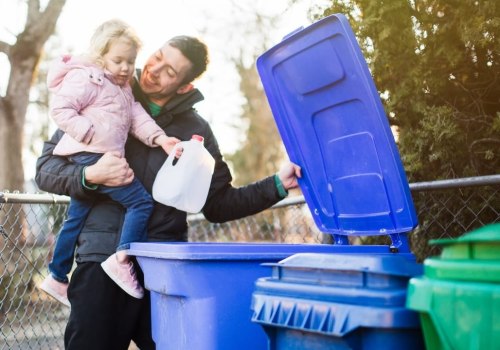
- Rinse Containers: Always rinse out food and beverage containers before placing them in the recycling bin.
This simple step can significantly reduce contamination rates.
- Know Your Recyclables: Familiarize yourself with what materials are accepted in Lansing’s recycling program. Check local guidelines regularly to stay updated on any changes.
- Avoid Wish-Cycling: Do not place items in the recycling bin simply because you hope they can be recycled. If you’re unsure about an item’s recyclability, consult local resources first.
- Flatten Cardboard Boxes: Flattening boxes not only saves space in your recycling bin but also makes collection easier for waste management services.
Understanding the importance of clean recycling practices is vital for fostering a culture of environmental responsibility among residents.
Myth 4: Recycling Is Only for Certain Items
One of the most common misconceptions about recycling programs in Lansing, Michigan is the belief that only a narrow range of items can be recycled. This misunderstanding can lead to missed opportunities for effective waste management and environmental conservation. In reality, Lansing's recycling initiatives encompass a diverse array of materials, and understanding what can be recycled is crucial for maximizing the effectiveness of these programs.To clarify, here’s a comprehensive list of recyclable items accepted in Lansing:- Plastics: Look for containers labeled with recycling codes 1 (PETE) and 2 (HDPE). Common examples include:
- Water bottles
- Milk jugs
- Detergent bottles
- Food containers
- Papers: Most paper products are recyclable, including:
- Newspapers
- Magazines
- Office paper
- Cardboard (flattened)
- Metals: Aluminum and tin cans are widely accepted.
Examples include:
- Soda cans
- Food cans
- Glass: Clear, green, and brown glass bottles and jars can be recycled. Ensure they are rinsed out before placing them in the bin.
- Electronics: Many electronic devices can also be recycled through special programs in Lansing, including:
- Old computers
- Televisions
- Batteries: Certain types of batteries can be recycled at designated drop-off locations.
By actively participating in Lansing's recycling programs and ensuring that only accepted materials are placed in recycling bins, residents can contribute significantly to reducing waste and protecting the environment.
Myth 5: The City Does Not Support Recycling Efforts
One of the most common misconceptions regarding recycling programs in Lansing, Michigan, is the belief that the city government does not actively support these initiatives. This myth can discourage residents from participating in recycling efforts, leading to a missed opportunity for community engagement and environmental stewardship. In reality, the City of Lansing has implemented a variety of programs and resources aimed at promoting and enhancing recycling within the community.City Initiatives for Recycling
- Curbside Collection Services: Lansing offers curbside recycling collection to make it easier for residents to participate. This service is designed to be convenient, allowing households to place their recyclables out for collection on designated days without needing to travel to a recycling center.
- Clear Guidelines: The city provides comprehensive guidelines detailing what materials can be recycled.
These guidelines are readily available online and through community outreach programs, helping residents understand how to recycle correctly and reduce contamination rates.
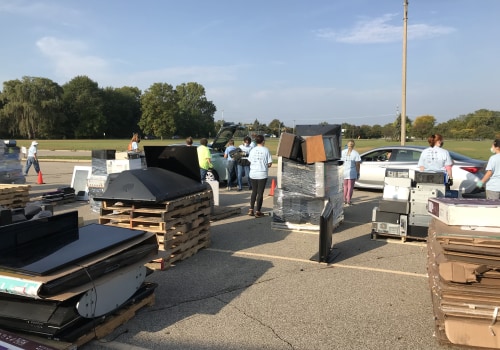
- Community Recycling Events: Lansing organizes special events such as recycling drives and educational workshops. These events not only provide opportunities for residents to recycle hard-to-dispose items but also serve as platforms for educating the public about the importance of recycling and proper waste management practices.
Partnerships and Collaborations
The city collaborates with local organizations and environmental groups to enhance recycling education and promote sustainability efforts. These partnerships help amplify the message of responsible waste management and encourage community involvement.
Educational Programs in Schools:
Lansing's commitment to fostering a culture of sustainability extends to its educational institutions. Schools in the area implement programs that teach students about the benefits of recycling, instilling eco-friendly habits from a young age.
This approach not only educates children but also encourages families to engage in recycling practices at home.
Resource Availability:
The city offers various resources, including brochures, online materials, and social media campaigns that detail how residents can effectively participate in recycling programs. By making this information accessible, Lansing empowers its citizens to take an active role in sustainability efforts.In conclusion, the notion that Lansing's city government does not support recycling efforts is unfounded. Through a range of initiatives and resources, the city actively encourages residents to engage in sustainable practices. By participating in these programs, individuals contribute not only to their community's well-being but also to a cleaner environment for future generations.
FAQs About Recycling Programs in Lansing, Michigan
Residents of Lansing, Michigan often have questions about the local recycling programs.Understanding these programs is essential for effective participation and maximizing the benefits of recycling. Below are some frequently asked questions that can help clarify common concerns:
What materials can I recycle in Lansing?
Most curbside recycling programs in Lansing accept a variety of materials, including:- Paper: This includes newspapers, magazines, office paper, and cardboard. Ensure that these items are clean and dry before recycling.
- Plastics: Look for containers labeled with recycling codes 1 (PETE) and 2 (HDPE), such as milk jugs and detergent bottles.
- Metals: Aluminum cans (like soda cans) and tin cans (such as food cans) are widely accepted.
- Glass: Clear, green, and brown glass bottles and jars can be recycled, provided they are rinsed out.
Are there any items that cannot be recycled?
Yes, certain items are typically not accepted in the recycling bins due to contamination issues or lack of processing facilities. Common non-recyclables include:- Plastic bags
- Pizza boxes
- Certain types of glass, such as window glass
How do I prepare my recyclables?
Proper preparation of recyclables is crucial for effective recycling.Here are some tips:
- Rinse containers: Make sure all food and beverage containers are thoroughly rinsed to remove any residue.
- Flatten cardboard boxes: This saves space in your recycling bin and makes collection easier.
- Avoid wish-cycling: Do not place items in the recycling bin simply because you hope they can be recycled; always check local guidelines first.
What happens to my recyclables after collection?
Once collected, recyclables are transported to a processing facility where they undergo sorting, cleaning, and preparation for manufacturing into new products. This process is vital for reducing waste and conserving natural resources.If I have more specific questions about recycling in Lansing, whom should I contact?
If you have additional questions or need further information about recycling programs in Lansing, consider reaching out to the city’s waste management office or visiting their official website for detailed resources.Conclusion: The Importance of Accurate Information on Recycling Programs
In summary, the journey towards understanding and effectively participating in recycling programs in Lansing, Michigan is crucial for fostering a sustainable community. Throughout this article, we have explored various misconceptions that often cloud residents' perceptions of recycling. By addressing these myths, we can empower individuals to make informed decisions that contribute positively to the environment.Accurate information is the cornerstone of successful recycling initiatives.When residents are well-informed about what materials can be recycled, how to prepare them, and the benefits of their participation, they are more likely to engage actively in local programs. This engagement not only helps reduce waste but also promotes a culture of sustainability that can ripple through the community.Key points discussed include:
- Understanding recyclability: Not all materials are recyclable, and knowing which items are accepted in Lansing's program is essential for reducing contamination rates.
- The impact of individual actions: Every small effort counts. When combined with the actions of others, individual contributions can lead to significant environmental benefits.
- The role of local government: The City of Lansing actively supports recycling through various initiatives, making it easier for residents to participate.
- Community involvement: Engaging local organizations and schools in recycling efforts fosters a sense of responsibility and pride among residents.
The success of recycling programs in Lansing hinges on collective effort; even small actions can lead to significant positive impacts on our community and the planet.