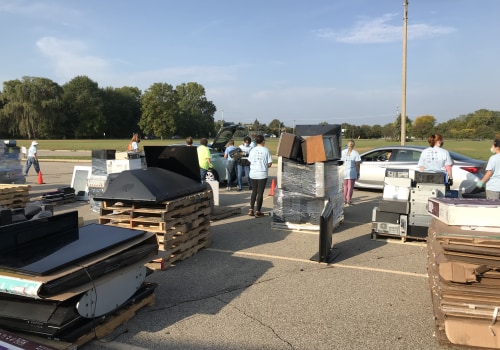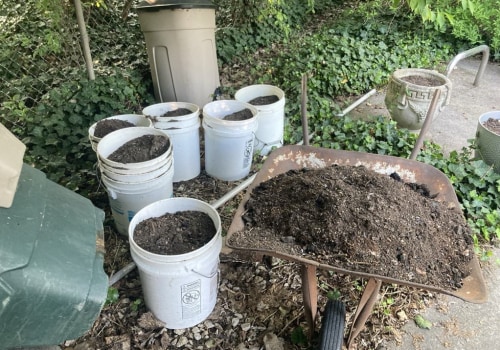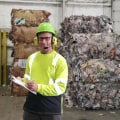
In urban environments like Lansing, Michigan, the implementation of recycling programs is not just a trend; it is a vital necessity. As cities expand and populations grow, the challenges associated with waste management become increasingly complex. Recycling programs serve as a crucial solution to mitigate these challenges by promoting sustainable practices that benefit both the environment and the local economy. Understanding the importance of these initiatives is essential for residents and local leaders alike, as they play a pivotal role in fostering a culture of sustainability.The environmental benefits of recycling are profound.
By diverting waste from landfills, recycling reduces the amount of trash that contributes to pollution and greenhouse gas emissions. This process not only conserves natural resources but also minimizes energy consumption associated with producing new materials. In Lansing, where local industries are increasingly focused on sustainability, effective recycling programs can significantly enhance air and water quality, creating a healthier living environment for all residents.Moreover, the economic advantages of recycling cannot be overlooked. Establishing robust recycling initiatives can stimulate job creation within the recycling and manufacturing sectors.
As Lansing continues to evolve, integrating effective recycling programs will not only address environmental concerns but also strengthen the local economy by fostering innovation and attracting businesses that prioritize sustainability. By recognizing the multifaceted benefits of recycling, Lansing can take proactive steps toward initiating change that will ensure a vibrant and sustainable community for future generations.
Researching Existing Recycling Programs in Lansing
Before launching a new recycling program in Lansing, Michigan, it is essential to conduct comprehensive research on the existing recycling initiatives and frameworks currently in place. This understanding will not only inform the design of your new program but also help identify gaps and opportunities for improvement.Start by exploring the City of Lansing's official website, which typically provides detailed information about ongoing recycling efforts. Key areas to investigate include:- Residential Recycling Programs: Examine how residential recycling is managed in Lansing.
Look into the types of materials accepted, collection frequency, and any specific guidelines residents must follow. Understanding these elements will help you identify what works well and what could be improved.
- Commercial Recycling Initiatives: Investigate programs aimed at local businesses. These may include incentives for participation or partnerships with waste management companies. Understanding how businesses engage with recycling can provide insights into potential collaborations for your new program.
- Community Education Efforts: Assess any educational campaigns that inform residents about proper recycling practices and the importance of sustainability.
Effective education is crucial for increasing participation rates and reducing contamination in recycling streams.
- Public Participation: Gauge how engaged the community is with current recycling efforts. Understanding public sentiment can help you tailor your new program to better meet community needs.
- Barriers to Recycling: Identify common obstacles faced by residents when trying to recycle.
This information can inform strategies to enhance participation in your proposed program.
- Recycling Rates: Obtain current statistics on how much material is being recycled versus sent to landfills. This data is crucial for setting realistic goals for your new program.
- Operational Challenges: Gain insights into logistical issues that may affect the implementation of new recycling initiatives, such as collection routes or processing capabilities.
Identifying Community Needs and Goals
Launching a successful recycling program in Lansing, Michigan, hinges on a thorough understanding of the community's unique needs and aspirations. Conducting a community needs assessment is an essential first step in this process.This assessment not only identifies the specific recycling challenges faced by residents but also highlights opportunities for improvement, ensuring that the program is tailored to local conditions.To effectively engage residents in this assessment, consider implementing various methods to gather their input. Surveys can be distributed both online and in person, allowing residents to share their thoughts on current recycling practices and suggest enhancements. Questions might include:
- What materials do you currently recycle?
- What barriers do you encounter when trying to recycle?
- What incentives would motivate you to participate more actively in recycling?
By analyzing the data collected from these initiatives, you can identify common themes and concerns that will guide the establishment of clear and achievable recycling goals for Lansing.For instance, if many residents indicate a desire for more accessible recycling bins, one goal could be to increase the number of bins in public spaces or residential areas. Setting specific targets not only helps measure progress but also fosters a sense of ownership among community members.Engaging residents throughout the program's development is crucial. Regular updates via newsletters or social media can keep the community informed and involved. Additionally, forming a community advisory board composed of passionate local residents can provide ongoing feedback and help refine the program as it evolves.By prioritizing community input and establishing measurable goals, your new recycling program in Lansing can effectively address local needs while promoting a culture of sustainability.
This collaborative approach not only enhances participation rates but also instills a long-lasting commitment to environmental stewardship among residents.
Engaging the Community Throughout the Process
Engaging the community is a fundamental aspect of launching a successful recycling program in Lansing, Michigan. By actively involving residents throughout the development and implementation phases, you can foster a sense of ownership and responsibility that enhances participation and sustainability. Here are several strategies to ensure ongoing community engagement:Establish Open Communication Channels
Creating open lines of communication is essential for keeping residents informed and involved. Consider the following methods:- Newsletters: Regular newsletters can provide updates on the recycling program, share success stories, and highlight upcoming events.
This keeps the community informed and engaged.
- Social Media: Utilize platforms like Facebook, Twitter, and Instagram to share tips, answer questions, and promote recycling initiatives. Engaging content can spark conversations and encourage community members to share their experiences.
- Community Forums: Host forums or town hall meetings where residents can voice their opinions, ask questions, and provide feedback on the recycling program. This not only fosters transparency but also builds trust within the community.
Incorporate Feedback Mechanisms
Feedback is crucial for refining the recycling program and ensuring it meets community needs. Implement various feedback mechanisms to gather insights from residents:- Surveys: Conduct surveys to assess community attitudes towards recycling, identify barriers to participation, and gather suggestions for improvement.
Online surveys can reach a broader audience, while paper surveys can be distributed at local events.
- Focus Groups: Organize focus groups with diverse community members to discuss their experiences with recycling. This qualitative approach can uncover deeper insights into residents' motivations and challenges.
- Suggestion Boxes: Place suggestion boxes in public areas where residents can anonymously submit their ideas or concerns regarding the recycling program.
Host Community Events
Community events are an excellent way to engage residents while promoting recycling initiatives. Consider organizing:- Workshops: Educational workshops can teach residents about proper recycling practices, the importance of reducing waste, and how they can contribute to sustainability efforts.
- Clean-Up Days: Organize clean-up events where residents can come together to collect recyclables from local parks or neighborhoods. These events not only promote recycling but also strengthen community bonds.
- Recycling Challenges: Create friendly competitions among neighborhoods or schools to see who can recycle the most materials within a set timeframe.
This gamification approach can motivate participation and raise awareness.
Developing a Strategic Plan for the Recycling Program
Creating a strategic plan for a recycling program in Lansing, Michigan, is a critical step that lays the groundwork for effective implementation and long-term success. A well-structured plan not only clarifies the program's objectives but also outlines the necessary resources, timelines, and stakeholder engagement strategies.1.Define Clear Objectives
- Establish specific goals that the recycling program aims to achieve. These could include:
- Increasing recycling rates: Set measurable targets, such as a 25% increase in participation within the first year.
- Reducing landfill waste: Aim to divert a certain percentage of waste from landfills by promoting recycling.
- Enhancing community awareness: Develop initiatives to educate residents about the importance of recycling and how to participate effectively.
2.Assess Current Resources
Before launching the program, it is essential to evaluate existing resources.
This includes:
- Funding: Identify available budgets and potential grants from local or state agencies that can support the program.
- Personnel: Determine the staff needed for implementation, including roles for outreach, education, and logistics.
- Materials: Assess what recycling bins, educational materials, and promotional items are currently available or need to be acquired.
3.Develop a Timeline
A detailed timeline is crucial for tracking progress and ensuring timely execution of the program. Key phases may include:
- Community Outreach: Schedule initial meetings with stakeholders and residents to gather input and build support.
- Educational Initiatives: Plan workshops and informational sessions to educate the community about recycling practices.
- Program Launch: Set a target date for rolling out the new recycling services, ensuring all logistical elements are in place.
4.Engage Stakeholders
Involving local stakeholders is vital for fostering collaboration and support. Consider:
- Local Government Officials: Collaborate with city leaders to align the program with municipal goals and secure necessary approvals.
- Community Organizations: Partner with local nonprofits and businesses that can provide resources or promote the program within their networks.
- Residents: Keep lines of communication open through surveys and feedback sessions to ensure community needs are met throughout the planning process.
Securing Funding and Resources for Your Program
Securing adequate funding and resources is essential for the successful launch and sustainability of recycling programs in Lansing, Michigan.Without financial support, even the most well-conceived initiatives may struggle to gain traction. Here are several avenues to explore when seeking funding and resources for your recycling program.
Exploring Grant Opportunities
Various organizations and government agencies offer grants specifically designed to support recycling initiatives. Here are some key sources to consider:- The Michigan Department of Environment, Great Lakes, and Energy (EGLE) : This state agency provides funding opportunities for local recycling programs through various grant initiatives aimed at enhancing waste management practices.
- The Recycling Partnership : A national nonprofit organization that offers grants to improve recycling access and education. Their resources can help communities develop effective recycling strategies.
- Local Foundations : Many local foundations in Michigan allocate funds for environmental initiatives, including recycling.
Research foundations that focus on sustainability and community development.
Building Strategic Partnerships
Forming partnerships with local businesses, schools, and community organizations can significantly enhance your program's reach and sustainability. Consider the following:- Local Businesses : Collaborate with businesses that prioritize sustainability. They may be willing to sponsor events or provide resources in exchange for visibility within the community.
- Educational Institutions : Engage with schools to create programs that educate students about recycling. This not only involves students but also their families, fostering a culture of sustainability.
- Nonprofit Organizations : Partnering with local environmental nonprofits can provide additional resources, expertise, and volunteer support for your recycling initiatives.
Community Support and Engagement
A successful recycling program thrives on community involvement.To garner support:
- Host Informational Workshops : Educate the community about the benefits of recycling and how they can participate effectively.
- Create Volunteer Opportunities : Encourage residents to get involved in clean-up events or educational campaigns that promote recycling.
- Utilize Social Media : Leverage social media platforms to spread awareness about your program and keep the community informed about developments.
Engaging Stakeholders and Building Partnerships
Engaging stakeholders is a fundamental aspect of launching a successful recycling program in Lansing, Michigan. By identifying and collaborating with key players in the community, you can create a network of support that enhances the program's effectiveness and sustainability.Identifying Key Stakeholders
- Local Businesses: Businesses play a crucial role in waste generation and management. Engaging local businesses, especially those that produce significant waste, can provide valuable insights into their recycling practices.
They may also be interested in participating in recycling initiatives, which can lead to mutually beneficial partnerships.
- Government Agencies: Collaborating with local government departments, such as the Department of Public Works and Environmental Services, is essential. These agencies can offer resources, funding opportunities, and regulatory guidance that are vital for the program's success.
- Non-Profit Organizations: Local non-profits focused on environmental sustainability can be instrumental in mobilizing community support. They often have experience in outreach and education, which can help raise awareness about the recycling program.
- Community Members: Involving residents through surveys or public meetings is crucial for understanding their recycling habits and preferences. Their input will help tailor the program to meet community needs effectively.
Building Effective Partnerships
Once stakeholders are identified, fostering partnerships is key to enhancing the program's reach and impact.
Here are some strategies to consider:
- Create Collaborative Initiatives: Develop joint projects that align with the interests of different stakeholders. For instance, a local business could sponsor recycling bins in exchange for advertising space, creating a win-win situation.
- Host Workshops and Training: Organize educational sessions for businesses and residents to promote best practices in recycling. This not only raises awareness but also strengthens community ties by fostering collaboration.
- Leverage Social Media: Utilize social media platforms to share success stories and updates about the recycling program. Engaging content can attract more participants and keep stakeholders informed about ongoing efforts.
This collective effort will be essential for promoting sustainability and ensuring the long-term success of recycling initiatives in the area.
Implementing the Recycling Program: Logistics and Communication Strategies
Implementing a new recycling program in Lansing, Michigan, requires careful attention to both logistical considerations and effective communication strategies. These elements are crucial for ensuring the program's success and fostering community engagement.Logistical Considerations
To establish a functional recycling program, it is essential to evaluate the existing waste management infrastructure. This includes:- Collection Methods: Determine the most effective collection methods for the community. Options may include curbside pickup, drop-off centers, or a combination of both.
Assessing the needs of residents will help decide which method is most suitable.
- Recycling Materials: Clearly define which materials will be accepted in the program. Common recyclable materials include plastics, metals, paper, and glass. Providing a comprehensive list will help residents understand what can be recycled.
- Partnerships: Establish partnerships with local businesses and organizations that can support the program. Collaborating with waste management companies can enhance operational efficiency and resource availability.
Communication Strategies
A successful recycling program hinges on effective communication with the community.Here are some strategies to consider:
- Public Awareness Campaigns: Launch campaigns utilizing social media, local newspapers, and community events to educate residents about the benefits of recycling and how to participate effectively.
- Informational Materials: Create clear and engaging flyers, brochures, and digital content that outline what can be recycled and how to prepare materials for collection. Visual aids can significantly enhance understanding.
- Feedback Mechanisms: Implement channels for residents to provide feedback on the program. This could include surveys or suggestion boxes at community centers, allowing for continuous improvement based on community input.
Initial Rollout Plans
The initial rollout of the recycling program should be phased to allow for adjustments based on community response. Consider these steps:- Pilot Program: Launch a pilot program in select neighborhoods to test logistics and gather data on participation rates.
This will help identify any challenges before a full-scale launch.
- Evaluation: Monitor the pilot's performance through metrics such as volume of materials collected and community engagement levels. Use this data to refine the program.
- Full Implementation: Based on pilot results, prepare for a city-wide launch, ensuring all residents are informed and equipped to participate effectively.
Promoting Community Involvement in Recycling Efforts
Engaging the community is essential for the success of recycling programs in Lansing, Michigan. By fostering a sense of ownership and responsibility among residents, we can significantly enhance participation rates and promote sustainable practices. Here are several effective strategies to encourage community involvement in recycling efforts.Education and Awareness Campaigns
One of the most impactful ways to promote community involvement is through comprehensive education and awareness campaigns.These initiatives can help residents understand the importance of recycling and how their actions contribute to a healthier environment. Consider the following approaches:
- Workshops and Informational Sessions: Organize regular workshops that educate residents about recycling processes, materials that can be recycled, and the environmental benefits of reducing waste. These sessions can be held at community centers, schools, or local libraries.
- Informative Materials: Create engaging brochures, flyers, and digital content that clearly outline what can be recycled and how to prepare materials for collection. Distributing these materials at local events or through mail can reach a broader audience.
- Social Media Engagement: Utilize social media platforms to share tips, success stories, and updates about the recycling program.
Engaging content can attract more participants and keep the community informed about ongoing initiatives.
Community Events
Hosting community events is another effective way to promote recycling efforts while bringing residents together. These events not only raise awareness but also create a sense of camaraderie among participants. Here are some ideas:- Clean-Up Days: Organize community clean-up days where residents can come together to collect recyclables from parks, streets, and public spaces. This hands-on approach allows participants to see the immediate impact of their efforts.
- Local Festivals: Incorporate recycling education into local festivals or farmers' markets.
Set up booths that provide information on recycling practices and offer fun activities for families, such as games or contests related to sustainability.
- Business Involvement: Encourage local businesses to participate by offering incentives for those who promote recycling initiatives or provide recycling bins on their premises. This collaboration can amplify outreach efforts and foster a culture of sustainability within the business community.
Partnerships with Local Organizations
Collaborating with local organizations can significantly enhance outreach efforts. Schools, non-profits, and government agencies can play a vital role in promoting recycling initiatives:- School Programs: Work with educational institutions to integrate recycling education into their curriculum. Engaging students fosters a culture of sustainability among younger generations who can influence their families.
- Non-Profit Collaborations: Partner with local environmental non-profits that focus on sustainability issues.
They often have experience in community outreach and can help mobilize volunteers for events.
- Government Support: Engage local government officials to support initiatives that promote recycling within the community. Their endorsement can lend credibility to your efforts and encourage broader participation.
Conclusion: The Future of Recycling in Lansing
As we look ahead to the future of recycling programs in Lansing, Michigan, it is essential to recognize the multifaceted benefits these initiatives bring to our community. The journey toward a more sustainable Lansing is not merely about implementing a recycling program; it is about fostering a culture of environmental stewardship that engages every resident.Throughout this guide, we have explored various critical components necessary for establishing a successful recycling program.From understanding community needs to securing funding and building partnerships, each step plays a vital role in shaping an effective initiative. However, the most significant takeaway is the importance of ongoing community engagement .
Community Involvement
Engaging residents in the recycling process is crucial for ensuring long-term success. This can be achieved through:- Educational Workshops: Hosting regular workshops can help demystify recycling practices and encourage participation.
- Feedback Mechanisms: Establishing channels for residents to voice their opinions and suggestions can foster a sense of ownership over the program.
- Community Events: Organizing events such as clean-up days or recycling drives can create excitement and motivate residents to get involved.
The Role of Education
Education is another cornerstone of successful recycling initiatives. By providing clear, accessible information about what materials can be recycled and how to prepare them, we empower residents to make informed decisions.This not only increases participation rates but also minimizes contamination in recycling streams, which is vital for maintaining the integrity of the program.In conclusion, the future of recycling programs in Lansing hinges on our collective commitment to sustainability. By prioritizing community engagement and education, we can create a robust recycling framework that not only addresses waste management challenges but also enhances the quality of life for all residents. Together, we can build a greener, more sustainable Lansing for generations to come.