Lansing, Michigan, is at the forefront of a growing movement towards sustainability, with a strong emphasis on recycling programs and composting initiatives. As environmental challenges become increasingly pressing, the city has recognized the critical role that effective waste management plays in fostering a healthier community. By implementing comprehensive recycling and composting strategies, Lansing aims to not only reduce landfill waste but also to promote a culture of environmental stewardship among its residents.The importance of recycling and composting cannot be overstated. These practices are essential for minimizing the ecological footprint of urban living.
Recycling helps conserve natural resources, reduces energy consumption, and decreases greenhouse gas emissions. Meanwhile, composting transforms organic waste into nutrient-rich soil amendments, which can enhance local agriculture and support biodiversity. Together, these efforts contribute significantly to the city’s sustainability goals.In Lansing, various programs have been established to engage residents in these vital practices. From educational workshops to community composting events, the city is actively working to raise awareness about the benefits of recycling and composting.
This proactive approach not only empowers individuals to take action but also fosters a sense of community responsibility towards environmental conservation.As we delve deeper into the specifics of Lansing's recycling programs and composting initiatives, it becomes clear that these efforts are more than just compliance with regulations; they represent a collective commitment to building a sustainable future. Understanding how to participate in these programs is crucial for residents who wish to contribute positively to their environment and community.
Overview of Recycling Programs in Lansing
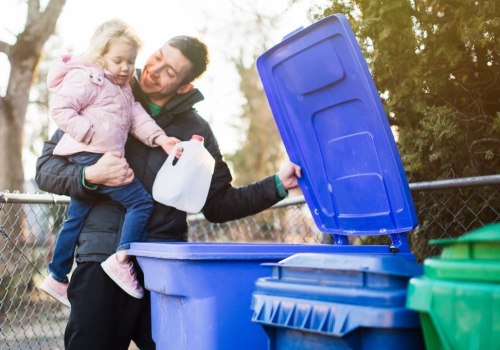
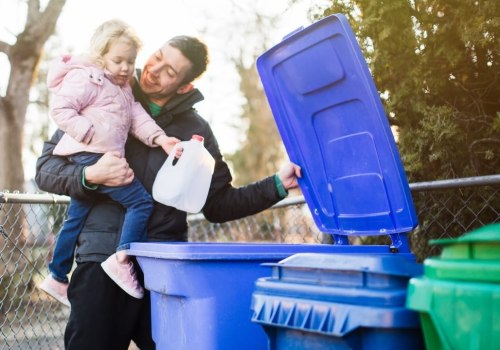
Lansing, Michigan, has made remarkable progress in its recycling programs, reflecting a strong commitment to environmental sustainability and community engagement. Over the past few years, the city has implemented a variety of initiatives aimed at reducing waste and increasing recycling rates among residents and businesses.As of the latest reports, Lansing's recycling rate has improved significantly, with approximately 20% of waste being diverted from landfills through various recycling efforts. This increase can be attributed to a combination of educational campaigns, community involvement, and enhanced recycling infrastructure.One of the key components of Lansing's recycling strategy is the emphasis on community participation.Local organizations, schools, and volunteers play an essential role in promoting recycling through events such as clean-up drives and educational workshops. These initiatives not only raise awareness about the importance of recycling but also foster a sense of responsibility among residents.The city has also introduced incentives to encourage households to adopt sustainable practices. For instance, residents who consistently participate in recycling programs may receive rewards or recognition from local authorities. This approach not only motivates individuals but also cultivates a culture of sustainability within the community.In addition to traditional recycling methods, Lansing is exploring innovative solutions to enhance its recycling efforts.
The city is actively researching advanced technologies that can improve sorting processes and increase the efficiency of recycling operations. By investing in these technologies, Lansing aims to further boost its recycling rates and reduce its overall environmental footprint.Overall, Lansing's commitment to expanding its recycling programs demonstrates a proactive approach to waste management. As more residents engage in these initiatives, the city is well-positioned to achieve its sustainability goals and create a cleaner, greener environment for future generations.
The Role of Composting in Lansing's Recycling Efforts
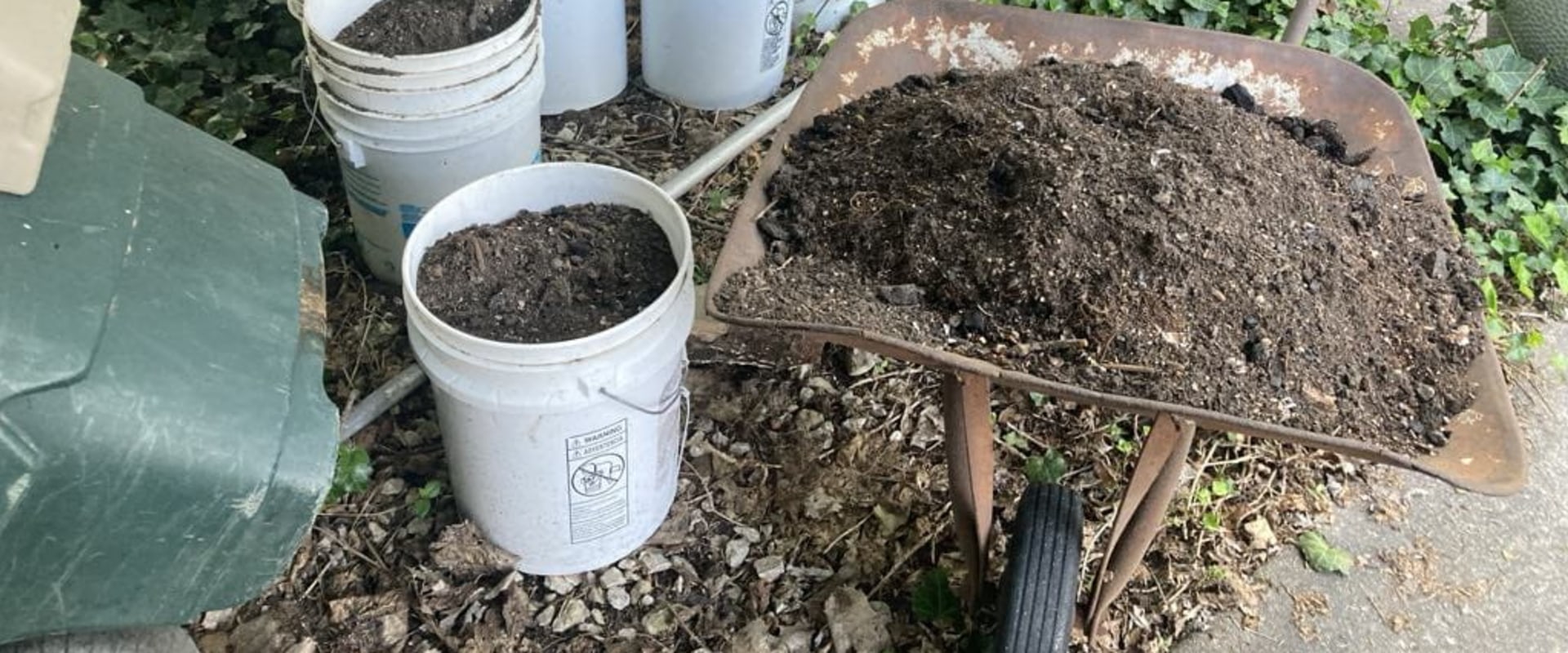
Composting plays a pivotal role in enhancing Lansing's recycling efforts, serving as a vital strategy for waste management and environmental sustainability. As the city grapples with increasing waste generation, the importance of composting cannot be overstated.It not only diverts organic materials from landfills but also transforms them into nutrient-rich compost that benefits local ecosystems.One of the primary benefits of composting is its ability to significantly reduce the volume of waste sent to landfills. Organic waste, which constitutes a substantial portion of municipal solid waste, decomposes anaerobically in landfills, producing methane—a potent greenhouse gas. By composting these materials instead, Lansing residents can help mitigate climate change while contributing to a more sustainable waste management system.Moreover, composting enriches soil health, which is crucial for maintaining vibrant gardens and landscapes. The compost produced from organic waste is teeming with beneficial microorganisms and nutrients that enhance soil structure and fertility.
This natural fertilizer improves moisture retention and promotes healthy plant growth, reducing the need for chemical fertilizers that can harm the environment.In Lansing, various composting programs have been established to facilitate community participation in these efforts. The city’s initiatives provide residents with the resources needed to compost effectively at home or through community drop-off sites. Educational workshops and outreach programs aim to inform citizens about what materials can be composted and how to manage their compost bins properly.Additionally, community engagement is essential for the success of these programs. Local organizations often collaborate with the city to host events that promote composting practices and share knowledge about sustainable gardening techniques.
By fostering a culture of sustainability, Lansing not only enhances its recycling efforts but also empowers residents to take an active role in protecting their environment.In conclusion, the integration of composting into Lansing's recycling framework is a critical step towards achieving a more sustainable future. By recognizing the importance of composting and actively participating in local programs, residents can contribute to waste reduction, improve soil health, and support broader environmental goals.
Current Composting Programs Available in Lansing
Lansing, Michigan, has made notable advancements in its composting initiatives, reflecting a commitment to sustainability and environmental responsibility. The city offers a variety of composting programs designed to engage residents and promote effective waste management practices.One of the primary city-run initiatives is the Lansing Composting Program. This program allows residents to dispose of organic waste in a responsible manner, significantly reducing the amount of waste that ends up in landfills.The program accepts a wide range of materials, including:
- Fruit and vegetable scraps
- Grass clippings
- Leaves and yard waste
- Small branches and twigs
- Coffee grounds and filters
For example, the Lansing Urban Farm Project encourages residents to engage in composting by providing compost bins and hosting workshops that teach sustainable gardening practices. These community-driven efforts not only enhance local food production but also foster a sense of community among participants.Moreover, some neighborhoods have established their own composting co-ops. These co-ops allow residents to share resources, knowledge, and even composting equipment, making it easier for individuals to participate in sustainable practices. Such grassroots initiatives play a crucial role in building community engagement and awareness around composting.In summary, Lansing's diverse array of composting programs—ranging from city-run initiatives to community-based efforts—demonstrates a comprehensive approach to waste management.
By participating in these programs, residents can contribute significantly to reducing landfill waste while enriching local soil health.
How to Get Involved in Composting Programs
Getting involved in composting programs in Lansing, Michigan, is a rewarding way to contribute to environmental sustainability while also benefiting your garden and community. Here’s a comprehensive guide on how to start composting effectively.1.Familiarize Yourself with Composting Guidelines
Before diving into composting, it’s crucial to understand what materials are suitable for composting in Lansing. The City of Lansing provides clear guidelines to help residents make informed choices:
- Acceptable Materials:
- Fruit and vegetable scraps
- Coffee grounds and filters
- Eggshells
- Grass clippings and leaves
- Small branches and twigs
- Shredded paper (non-glossy) and cardboard
- Materials to Avoid:
- Meat and dairy products
- Oily foods
- Pet waste
- Diseased plants
2.Choose Your Composting Method
Lansing residents have several options for composting, depending on their space and preferences:
- Compost Bins: Purchase or build a compost bin to keep your materials contained. This method is ideal for those with limited space.
- Compost Piles: If you have a yard, consider creating a simple compost pile.
This method allows for larger quantities of organic waste.
- Curbside Collection: Some neighborhoods may offer curbside compost collection services. Check with the Lansing Department of Public Works for availability in your area.
3.Utilize Local Resources for Support
The City of Lansing offers various resources to assist residents in their composting journey:
- Workshops: Attend local workshops organized by the city or community organizations to learn effective composting techniques.
- Online Guides: Visit the City of Lansing’s official website for detailed guides and tips on starting your compost.
- Libraries: Check out books on composting from local libraries for in-depth knowledge and best practices.
Challenges Facing Composting Initiatives in Lansing
Despite the growing interest in composting initiatives in Lansing, several challenges hinder their effectiveness and widespread adoption. Understanding these barriers is crucial for developing strategies to enhance participation and improve overall recycling efforts.Lack of Awareness
One of the most significant obstacles to successful composting in Lansing is the lack of awareness among residents regarding what composting entails and its benefits.Many individuals may not fully understand how composting works or the positive impact it can have on the environment. This knowledge gap can lead to misconceptions about composting, such as the belief that it is a complicated process or that it produces unpleasant odors.
Infrastructure Limitations
Another challenge is the limited infrastructure available for composting within the city. While some neighborhoods have access to community composting programs, others lack convenient drop-off locations or curbside collection services. This disparity can discourage participation, particularly in areas where residents may not have the means or space for home composting.Expanding infrastructure to include more accessible drop-off sites and implementing a city-wide curbside composting program could significantly increase participation rates.
Contamination Concerns
Contamination of compost materials is a prevalent issue that can undermine the quality of the compost produced. Many residents may inadvertently include non-compostable items, such as meat, dairy products, or oily foods, which can attract pests and create odors. This contamination not only affects the compost quality but also poses challenges for those managing community composting sites. Educational campaigns aimed at informing residents about acceptable materials and proper composting practices are essential to mitigate this issue.Potential Solutions
To address these challenges, several solutions can be implemented:- Educational Workshops: Organizing workshops and informational sessions can help raise awareness about composting practices and their benefits.
- Community Engagement: Involving local organizations and schools in promoting composting initiatives can foster a sense of community responsibility towards sustainable practices.
- Improved Infrastructure: Expanding access to drop-off locations and establishing curbside collection services would make it easier for residents to participate in composting efforts.
- Feedback Mechanisms: Creating channels for residents to provide feedback on their experiences with composting programs can help identify areas for improvement and enhance overall effectiveness.
Community Engagement and Feedback on Recycling Programs
Community engagement is a cornerstone of effective recycling and composting programs in Lansing, Michigan.The active participation of residents not only enhances the success of these initiatives but also fosters a sense of ownership and responsibility towards the environment. When community members are involved, they are more likely to understand the importance of recycling and composting, leading to higher participation rates and better outcomes.One of the most effective ways to encourage community involvement is through educational outreach. Workshops, informational sessions, and local events can provide residents with the knowledge they need to participate effectively in recycling programs. For instance, the City of Lansing often organizes events that teach residents about proper recycling practices, including what materials can be recycled and how to set up a home composting system.
These initiatives not only inform but also empower residents to take action.Feedback from the community plays a crucial role in shaping these programs. Residents are encouraged to share their experiences and suggestions regarding recycling and composting efforts. This feedback can be collected through surveys, community meetings, or online platforms where residents can voice their opinions. By actively listening to the community, local authorities can identify areas for improvement and adapt programs to better meet the needs of residents.For example, if residents express concerns about the accessibility of composting drop-off sites or the clarity of recycling guidelines, city officials can take steps to address these issues.
This might involve increasing the number of drop-off locations or simplifying educational materials to make them more user-friendly.Moreover, local sustainability initiatives often thrive on community collaboration. Neighborhood groups and organizations can work together to create shared resources for composting or organize clean-up events that promote recycling awareness. These grassroots efforts not only enhance participation but also build a stronger sense of community among residents.In conclusion, fostering community engagement through education and feedback is essential for enhancing recycling programs in Lansing, Michigan. By actively involving residents in these initiatives, the city can create a more sustainable environment while empowering individuals to contribute positively to their community.
Frequently Asked Questions About Composting and Recycling in Lansing
As the community of Lansing, Michigan, continues to embrace sustainable practices, many residents have questions about the available recycling programs and composting initiatives.This section aims to address some of the most common inquiries, helping to clarify misconceptions and provide valuable information for those interested in participating.
What is composting and why is it important?
Composting is the process of transforming organic waste, such as food scraps and yard debris, into nutrient-rich soil amendments. This practice is crucial for several reasons:- Waste Reduction: Composting significantly decreases the volume of waste sent to landfills, which helps mitigate environmental issues associated with landfill overflow.
- Soil Enrichment: The compost produced enhances soil health by adding essential nutrients, improving moisture retention, and fostering beneficial microbial activity.
- Climate Impact: By diverting organic materials from landfills, composting reduces methane emissions—a potent greenhouse gas—thereby contributing to climate change mitigation.
Are there composting programs in Lansing?
Yes, Lansing has implemented several composting programs as part of its broader recycling efforts. Residents can take advantage of:- Lansing Composting Program: This city-run initiative allows residents to drop off organic waste at designated locations.
- Community Workshops: Various local organizations host workshops that educate residents on effective composting techniques and best practices.
How can I participate in Lansing's composting initiatives?
Getting involved in Lansing's composting efforts is straightforward. Here are some steps you can take:- Learn the Guidelines: Familiarize yourself with what materials are acceptable for composting.
Common items include fruit and vegetable scraps, coffee grounds, and yard waste.
- Join Local Workshops: Participate in workshops offered by community organizations to enhance your understanding of composting.
- Utilize Resources: Access online guides or visit local libraries for more information on starting your own compost system.
What are common misconceptions about composting?
Despite its benefits, several misconceptions about composting persist:- Myth: Composting smells bad.
Fact: When managed correctly, compost should emit an earthy aroma rather than unpleasant odors. - Myth: Compost attracts pests.
Fact: Properly maintained compost bins deter pests; avoiding meat and dairy products can help minimize attraction.
Conclusion: The Future of Composting and Recycling in Lansing
As we reflect on the journey of composting and recycling in Lansing, Michigan, it becomes evident that the path forward is filled with both challenges and opportunities. The city has made commendable progress in establishing a framework for sustainable waste management, yet the future hinges on the collective efforts of its residents, local organizations, and government initiatives.Community Engagement is Key
One of the most critical factors in enhancing Lansing's composting and recycling programs is community engagement. Residents play a pivotal role in the success of these initiatives by:
- Educating themselves about proper recycling and composting practices.
- Participating in local workshops and events focused on sustainability.
- Advocating for more comprehensive recycling initiatives within their neighborhoods.
Investing in Infrastructure
The future of composting and recycling in Lansing also relies heavily on continued investment in infrastructure. Expanding access to composting services, particularly in underserved neighborhoods, will be essential.
This could involve:
- Increasing the number of drop-off sites for organic waste.
- Implementing city-wide curbside compost collection programs.
- Enhancing educational outreach to inform residents about available resources.
Innovative Solutions for Sustainability
Lansing has the potential to lead by example through innovative solutions that improve efficiency in recycling processes. Collaborating with local businesses to promote sustainable practices can create a ripple effect throughout the community. Initiatives such as:
- Partnerships with schools to integrate sustainability into educational curricula.
- Incentive programs for businesses that adopt eco-friendly practices.
- Community challenges that encourage households to reduce waste collectively.
A Vision for a Greener Future
In conclusion, the future of composting and recycling programs in Lansing, Michigan, is promising but requires ongoing dedication from all stakeholders. By supporting local initiatives and committing to sustainable practices, residents can help shape a greener future for their community.
Together, through education, infrastructure development, and innovative partnerships, Lansing can continue to make strides toward becoming a model city for sustainability.