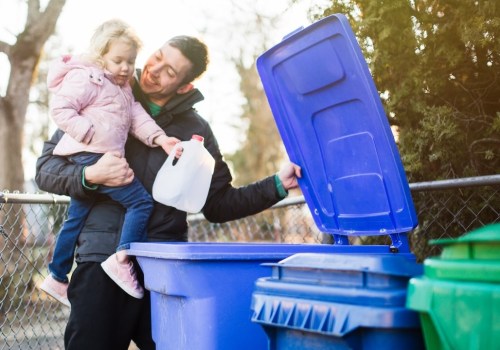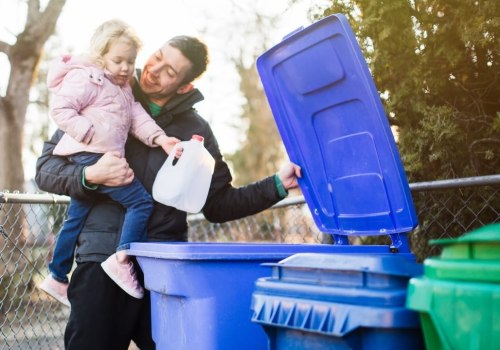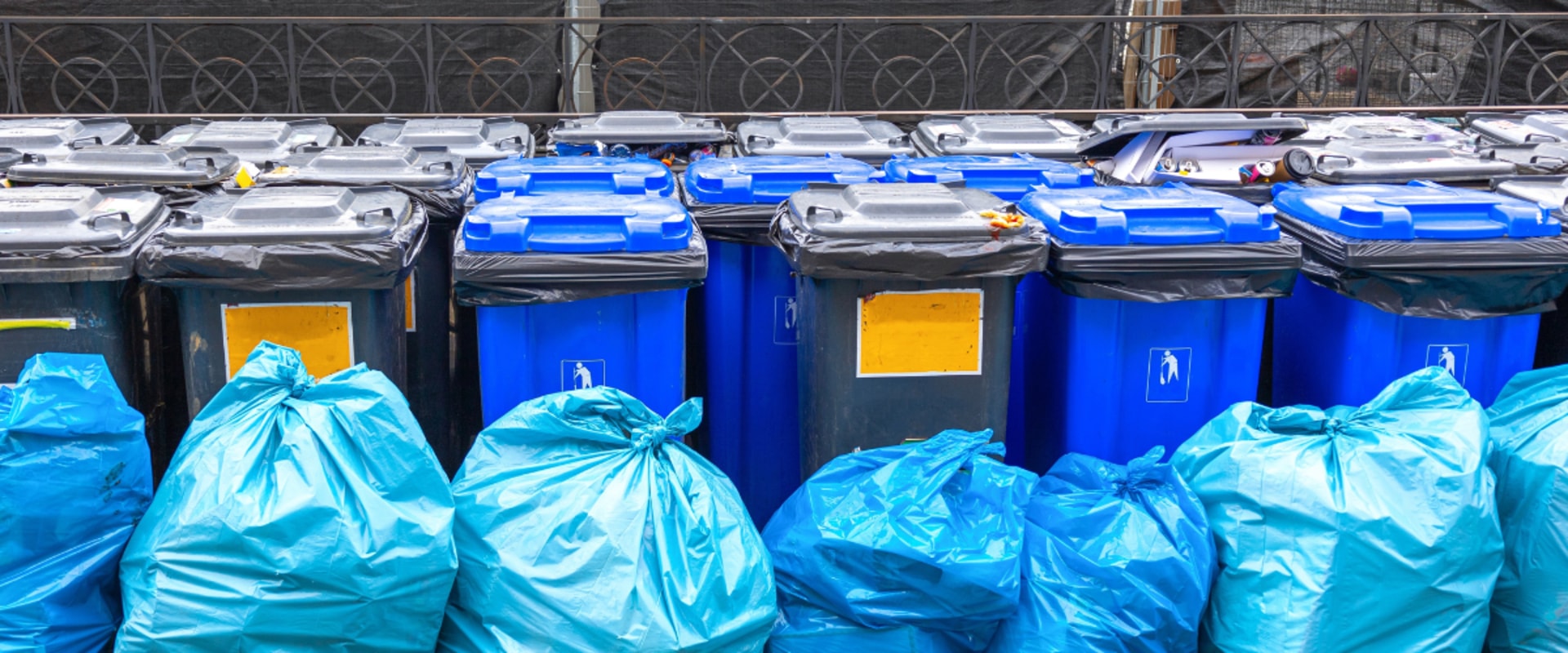
In recent years, the city of Lansing, Michigan, has witnessed a significant shift in public consciousness regarding environmental sustainability and waste management. As communities grapple with the pressing challenges posed by climate change and resource depletion, the importance of recycling programs in Lansing, Michigan has come to the forefront. These initiatives are not merely about managing waste; they represent a crucial step towards fostering a culture of sustainability that benefits both the local community and the planet.The growing awareness of environmental issues has prompted residents and local authorities alike to reevaluate their waste management strategies. With landfills reaching capacity and pollution levels rising, Lansing recognizes that effective recycling programs are essential for reducing landfill waste and conserving valuable resources.
By implementing comprehensive recycling initiatives, the city aims to minimize its ecological footprint while promoting responsible consumption among its residents.Moreover, the role of education in enhancing recycling efforts cannot be overstated. As Lansing embarks on this journey towards improved waste management, community engagement becomes vital. Residents must be informed about what materials can be recycled and how to participate effectively in these programs. Through workshops, informational campaigns, and partnerships with local organizations, Lansing is working diligently to create a more informed public that understands the significance of their contributions to sustainability.Ultimately, the future of recycling in Lansing hinges on collective action and commitment from all stakeholders.
By embracing innovative solutions and fostering a culture of environmental stewardship, Lansing is poised to become a model for other cities striving for sustainability. The path forward is clear: through enhanced recycling programs and community involvement, Lansing can pave the way for a greener future.
Current State of Recycling Programs in Lansing
The current recycling programs in Lansing, Michigan are structured to promote environmental sustainability and reduce waste within the community. At the forefront of these initiatives is the implementation of a single-stream recycling system, which allows residents to combine all recyclable materials into one bin without the need for sorting. This approach has significantly simplified the recycling process, making it more accessible and convenient for residents.As of the latest data, Lansing's recycling participation rate hovers around 30%.While this figure indicates a foundational level of engagement, it also highlights a substantial opportunity for growth. The city recognizes that increasing this participation rate is essential for enhancing the effectiveness of its recycling programs. To achieve this, local authorities are focusing on various outreach and educational initiatives aimed at informing residents about the importance of recycling and proper waste disposal practices.In addition to the single-stream system, Lansing's recycling programs accept a diverse array of materials, including:
- Plastics: Containers labeled with recycling codes #1 (PETE) and #2 (HDPE).
- Metals: Aluminum cans and tin cans.
- Papers: Cardboard, newspapers, and mixed paper.
- Glass: Clear, green, and brown glass bottles and jars.
Contamination not only complicates the recycling process but can also lead to entire batches being sent to landfills instead of being processed appropriately.In summary, while Lansing's current recycling programs provide a solid framework for waste management, there is a pressing need for ongoing efforts to enhance participation rates and expand the types of materials accepted. By prioritizing education and community engagement, Lansing can work towards a more sustainable future that benefits both its residents and the environment.
Types of Materials Accepted in Lansing's Recycling Programs
Understanding the types of materials accepted in Lansing's recycling programs is crucial for residents who wish to contribute effectively to sustainability efforts. The city has established clear guidelines to help residents navigate what can and cannot be recycled, thereby enhancing the overall efficiency of its recycling initiatives.Accepted Recyclable Materials
- Plastics: Lansing accepts plastics labeled with recycling codes #1 (PETE) and #2 (HDPE). These include common items such as water bottles, milk jugs, and detergent containers.
It is essential for residents to check the recycling symbols on their plastic items to ensure they are eligible for recycling.
- Metals: Aluminum cans, such as those used for beverages, and tin cans from food products are recyclable. Residents are encouraged to rinse these containers before placing them in the recycling bin to prevent contamination.
- Papers: A variety of paper products can be recycled in Lansing, including cardboard, newspapers, and mixed paper. However, it is important to avoid recycling items that are heavily soiled or contaminated with food waste.
- Glass: Clear, green, and brown glass bottles and jars are accepted. Similar to metals, glass containers should be rinsed out to ensure they do not contaminate other recyclables.
Items Not Accepted
While Lansing's recycling program covers a broad range of materials, there are specific items that cannot be recycled through curbside collection:
- Plastic bags and wraps
- Polystyrene foam containers (commonly known as Styrofoam)
- Food-contaminated materials, such as greasy pizza boxes
- Hazardous waste items like batteries and electronics
The Importance of Education
Educating residents about what can be recycled is vital for reducing contamination rates in recycling streams.
Contamination occurs when non-recyclable materials are mixed with recyclables, leading to increased costs and inefficiencies in the recycling process. To combat this issue, Lansing has implemented various educational initiatives aimed at informing the community about proper recycling practices.By fostering a better understanding of recycling guidelines, Lansing aims to enhance participation rates and ensure that its recycling programs operate effectively. Residents are encouraged to stay informed through local resources, workshops, and community events that focus on sustainable practices.
Recent Initiatives to Improve Recycling Programs
In recent years, Lansing, Michigan has made significant strides in enhancing its recycling programs through a variety of innovative initiatives. These efforts are aimed at not only increasing recycling rates but also fostering a culture of sustainability within the community.New Recycling Initiatives
One of the most notable advancements is the implementation of a single-stream recycling system.This system allows residents to place all recyclable materials into one bin without the need for sorting, simplifying the process and encouraging greater participation. By removing the barriers associated with sorting, Lansing has seen an uptick in the number of households engaging in recycling activities.
Community Education Programs
Education plays a crucial role in the success of these recycling initiatives. The city has launched several community education programs designed to inform residents about proper recycling practices. Workshops and informational sessions are held regularly, providing hands-on demonstrations that teach residents how to effectively sort their recyclables.These programs emphasize the importance of understanding what materials can be recycled and how to avoid contamination, which is a common issue that undermines recycling efforts.Additionally, educational materials such as flyers and online resources are distributed to ensure that information is accessible to all residents. Social media campaigns have also been utilized to reach a broader audience, sharing tips on recycling and highlighting local success stories. By leveraging digital platforms, Lansing aims to create a more informed public that actively participates in recycling programs.
Partnerships with Local Businesses
Lansing has recognized the value of collaboration in enhancing its recycling efforts. The city has formed partnerships with local businesses to create a more robust recycling network.These partnerships involve providing businesses with recycling bins and resources to help them implement effective recycling practices. Many local businesses have embraced sustainable practices and serve as champions for recycling within their communities.Through these collaborations, businesses not only contribute to reducing waste but also engage their customers by promoting recycling initiatives. Some businesses offer incentives for customers who bring in recyclable items, further encouraging community participation.In summary, Lansing's recent initiatives reflect a comprehensive approach to improving its recycling programs. By focusing on education, community engagement, and partnerships with local businesses, the city is making significant progress towards a more sustainable future.
Community Involvement in Recycling Efforts
Community involvement is a cornerstone of successful recycling programs in Lansing, Michigan.Engaging residents not only enhances participation rates but also fosters a sense of ownership and responsibility towards local sustainability efforts. By actively participating in recycling initiatives, residents can contribute significantly to the city’s environmental goals.One of the most effective ways for residents to get involved is through local clean-up events. These events are organized by various community groups, schools, and local government agencies, providing opportunities for individuals and families to come together and make a tangible impact. Participants can help clean up parks, rivers, and neighborhoods while learning about the importance of recycling and waste reduction.
Such events often include:
- Community Clean-Up Days: Scheduled days where volunteers gather to clean specific areas in Lansing, often culminating in a celebration of their efforts.
- Recycling Drives: Events where residents can drop off recyclable materials that may not be accepted curbside, such as electronics or hazardous waste.
- Educational Workshops: Sessions that teach participants about proper recycling practices and the environmental benefits of reducing waste.
- Event Coordination: Helping organize and promote recycling events within the community.
- Education Outreach: Assisting in workshops or school programs that aim to educate others about recycling.
- Advocacy: Joining local advocacy groups that work towards improving recycling policies and practices in Lansing.
By participating in clean-up events, volunteering for local initiatives, and utilizing social media for outreach, residents can play an active role in promoting sustainability and enhancing the effectiveness of recycling efforts throughout the city.
Challenges Facing Recycling Programs in Lansing
Despite the growing commitment to sustainability, recycling programs in Lansing, Michigan, face several significant challenges that impede their effectiveness and expansion. Addressing these challenges is essential for enhancing the overall impact of recycling initiatives in the community.Contamination Issues
One of the most pressing challenges is contamination within the recycling stream. Many residents are often unsure about what materials are acceptable for recycling, leading to improper disposal of non-recyclable items. This contamination can severely undermine the efficiency of recycling programs.For example, when non-recyclable materials are mixed with recyclables, entire batches may be sent to landfills instead of being processed for recycling. This not only increases operational costs but also diminishes the overall effectiveness of the program.To combat contamination, Lansing can implement more robust educational campaigns aimed at informing residents about proper recycling practices. Workshops, informational flyers, and community events can provide hands-on demonstrations that clarify what can and cannot be recycled. Additionally, utilizing social media platforms to share tips and success stories can help raise awareness and encourage responsible recycling behaviors.
Funding Limitations
Another significant hurdle facing Lansing's recycling programs is funding limitations.The city often operates under budget constraints that restrict the resources available for enhancing recycling initiatives. Insufficient funding can hinder educational outreach efforts and limit investments in advanced recycling infrastructure. Without adequate financial support, it becomes challenging to implement new technologies or expand existing facilities that could improve recycling rates.To address funding limitations, Lansing could explore various avenues such as applying for state and federal grants specifically aimed at environmental sustainability projects. Collaborating with local businesses and organizations to create sponsorship opportunities can also provide additional financial resources.
Furthermore, community fundraising events can engage residents while raising funds to support local recycling initiatives.
Public Awareness and Engagement
A lack of public awareness regarding the importance of recycling further complicates these challenges. Many residents may not fully understand how their participation impacts the environment or how to engage effectively with local recycling programs. Educational outreach is crucial in fostering a culture of sustainability within Lansing.By focusing on comprehensive community engagement strategies that involve schools, local organizations, and businesses, Lansing can cultivate a more informed public that actively participates in recycling efforts. Initiatives that encourage residents to take ownership of their waste management practices will ultimately lead to improved participation rates and a more effective recycling program.In summary, addressing contamination issues, securing adequate funding, and enhancing public awareness are vital steps toward improving recycling programs in Lansing, Michigan.By tackling these challenges head-on, the city can work towards a more efficient and sustainable waste management system that benefits both the community and the environment.
Future Prospects for Recycling in Lansing
As Lansing, Michigan, looks toward the future, the city is poised to implement a series of innovative initiatives aimed at enhancing its recycling programs. These initiatives are designed to not only increase participation rates but also to improve the overall efficiency and effectiveness of waste management systems in the community.Community Engagement and Education
One of the primary focuses will be on community education. Expanding programs that inform residents about what can and cannot be recycled is essential. This will include:- Workshops: Interactive sessions where residents can learn about proper recycling practices, including sorting techniques and understanding local guidelines.
- Informational Flyers: Distributing easy-to-read materials that outline acceptable recyclable items and tips for reducing contamination.
- Social Media Campaigns: Utilizing platforms like Facebook and Instagram to share recycling tips, success stories, and updates on local recycling events.
Technological Advancements
Lansing is also exploring the implementation of new technologies that can streamline the recycling process.Some potential advancements include:
- AI-Powered Sorting Facilities: Investing in advanced sorting technologies that utilize artificial intelligence and machine learning to enhance material recovery rates. These systems can identify and separate recyclables more efficiently than traditional methods.
- Mobile Applications: Developing user-friendly apps that help residents track their recycling habits, receive reminders about collection days, and access educational resources about recycling.
Expanded Material Acceptance
A key aspect of future initiatives will be the expansion of accepted materials. Currently, certain items like plastic bags are often excluded from curbside recycling due to contamination concerns. However, Lansing is considering:- Specialized Facilities: Collaborating with specialized recycling facilities that can process materials typically deemed non-recyclable in curbside programs.
- Broadening Recyclable Categories: Exploring options to include more types of plastics and other materials in the recycling stream, thereby reducing landfill waste significantly.
By focusing on education, technology, and expanded material acceptance, Lansing is well-positioned to make significant strides in its recycling efforts, ultimately benefiting both the community and the environment.
FAQs about Recycling Programs in Lansing, Michigan
As residents of Lansing, Michigan, become increasingly aware of the importance of sustainability, many have questions about the recycling programs in Lansing, Michigan. This section addresses some of the most frequently asked questions to provide clarity on materials accepted and how individuals can actively participate in these initiatives.What materials can be recycled in Lansing?
The City of Lansing encourages residents to recycle a variety of materials. Commonly accepted items include:- Plastics: Most types, including PETE (#1) and HDPE (#2).
- Metals: Aluminum cans and tin cans.
- Papers: Newspaper, cardboard, and office paper.
- Glass: Clear, green, and brown glass bottles and jars.
Are there any new initiatives to improve recycling in Lansing?
Yes, Lansing has been actively working on initiatives to enhance its recycling programs.Recent efforts include:
- Community Education: Programs aimed at educating residents about proper recycling practices through workshops and informational materials.
- Expanded Collection Services: Plans to increase the frequency of curbside pickup for recyclables to make participation more convenient.
- Partnerships: Collaborations with local businesses and organizations to promote recycling and reduce waste through community events.
How can I get involved in local recycling efforts?
Lansing residents can participate in local recycling efforts by:- Volunteering: Join local clean-up events or educational workshops that focus on recycling practices.
- Advocating: Support policies that promote sustainable practices in your community by engaging with local government representatives.
- Staying Informed: Follow updates from the City of Lansing’s official website regarding changes to recycling programs and upcoming events.
Conclusion: The Path Forward for Recycling in Lansing
As we look towards the future of recycling programs in Lansing, Michigan, it is essential to recognize the progress made thus far while acknowledging the challenges that lie ahead. The initiatives discussed throughout this article illustrate a community that is increasingly committed to sustainability and environmental stewardship. However, the success of these programs hinges on a collaborative effort between residents, local government, and various organizations.One of the most critical aspects of enhancing recycling efforts is community engagement.Programs that actively involve residents in educational campaigns have demonstrated a significant impact on participation rates. By fostering a culture of awareness and responsibility, Lansing can empower its citizens to take ownership of their recycling habits. This includes understanding what materials are recyclable and the importance of proper sorting to reduce contamination.Moreover, infrastructure improvements are vital for accommodating the growing volume of recyclable materials. Upgrading recycling facilities and expanding curbside collection services will ensure that residents have convenient access to recycling options.
Investing in advanced technologies for sorting and processing recyclables can also enhance efficiency and effectiveness.Partnerships play a crucial role in the future of recycling in Lansing. Collaborations between local businesses, schools, and non-profit organizations can lead to innovative solutions that promote sustainability. For instance, businesses can adopt sustainable practices and serve as champions for recycling within their communities, while schools can integrate recycling education into their curricula.Finally, continued advocacy for policies that support recycling initiatives will be essential for maintaining momentum. Local government must prioritize funding and resources for these programs to ensure they are effective and accessible to all community members.In conclusion, the path forward for recycling in Lansing requires a collective effort from all stakeholders.
By working together, residents and local officials can not only improve recycling programs but also set an example for other cities striving for sustainability. The commitment to a greener future is not merely about managing waste; it is about creating a healthier environment for generations to come.