In our rapidly advancing technological landscape, the term electronic waste , or e-waste, has become increasingly prevalent. E-waste encompasses a wide array of discarded electronic devices, including computers, smartphones, televisions, and various household gadgets that have outlived their usefulness. As society becomes more reliant on technology, the volume of e-waste generated continues to escalate at an alarming rate. This surge not only reflects our insatiable appetite for the latest gadgets but also raises significant concerns regarding the environmental and health implications of improper disposal.The impact of e-waste on the environment is profound and multifaceted.
When electronic devices are discarded irresponsibly, they can release hazardous substances such as lead, mercury, and cadmium into the soil and water systems. These toxic materials pose serious risks to ecosystems and human health, contaminating natural resources and threatening wildlife. Furthermore, as e-waste accumulates in landfills, it contributes to the depletion of valuable materials that could otherwise be recovered and reused. This not only exacerbates environmental degradation but also undermines efforts toward sustainable resource management.Moreover, the health implications associated with e-waste are equally concerning.
Communities near landfills or informal recycling operations often face increased exposure to harmful chemicals released from decomposing electronics. This exposure can lead to a range of health issues, including respiratory problems, neurological damage, and other serious conditions. As such, understanding the significance of responsible e-waste management is crucial for safeguarding both our environment and public health.Given these pressing challenges, the importance of effective recycling programs cannot be overstated. By participating in local recycling initiatives, individuals can play a vital role in mitigating the negative impacts of e-waste.
These programs not only provide accessible options for proper disposal but also promote awareness about the importance of sustainable practices in our daily lives. As we delve deeper into the topic of electronic waste recycling in Lansing, Michigan, it becomes clear that collective action is essential for fostering a cleaner and healthier future.
Overview of Recycling Programs in Lansing, Michigan
Lansing, Michigan, has established a robust framework of recycling programs designed to promote sustainability and reduce waste within the community. These initiatives are tailored to meet the diverse needs of residents while ensuring that recyclable materials are processed efficiently and responsibly.One of the cornerstone initiatives in Lansing's recycling efforts is the curbside recycling program. This program simplifies the recycling process for residents by allowing them to dispose of common recyclable materials directly from their homes.The curbside program accepts a variety of items, including:
- Paper products: Newspapers, magazines, and cardboard are all accepted, encouraging residents to recycle their paper waste.
- Plastics: Specifically, plastics labeled with recycling codes 1 and 2 can be placed in curbside bins.
- Metals: Aluminum cans and tin cans are included in the list of accepted materials, promoting metal recycling.
- Glass: Clear, green, and brown glass containers can also be recycled through this program.
- Electronics: Residents can safely dispose of old computers, televisions, and mobile devices during these events.
- Batteries: Special handling is required for batteries due to their hazardous components, making these events crucial for safe disposal.
- Household hazardous waste: Items such as paints and chemicals that cannot be disposed of in regular trash are also accepted.
- Reduce landfill waste: By encouraging residents to recycle more materials, Lansing seeks to minimize the amount of waste sent to landfills.
- Promote environmental awareness: These programs foster a sense of responsibility among community members regarding their environmental impact.
- Support local initiatives: By engaging residents in recycling efforts, Lansing contributes to a cleaner and healthier environment.
Curbside Recycling Program: A Convenient Option for Residents
The curbside recycling program in Lansing, Michigan, serves as a vital component of the city’s efforts to promote sustainability and reduce waste.This program is designed to make recycling accessible and convenient for all residents, encouraging them to participate actively in environmental stewardship.Residents can easily engage with the curbside recycling program by following a few simple steps:
- Check Your Schedule: Curbside recycling is typically collected on the same day as regular trash pickup. Residents should verify their collection schedule through the city’s official website or local announcements.
- Prepare Your Recyclables: Before placing items at the curb, ensure they are clean and dry. Contaminated materials can lead to entire batches of recyclables being sent to landfills.
- Place Items in Approved Containers: Use designated recycling bins provided by the city or any container that is clearly marked for recycling. This helps collection crews easily identify recyclable materials.
- Paper Products: This category encompasses newspapers, magazines, office paper, and cardboard.
All paper should be free from food residue and contaminants.
- Plastics: Residents can recycle plastics labeled with recycling codes 1 (PETE) and 2 (HDPE). Common items include water bottles, milk jugs, and detergent containers.
- Metals: Aluminum cans (like soda cans) and tin cans are accepted. These materials are highly recyclable and can be processed into new products.
- Glass: Clear, green, and brown glass containers are recyclable. It’s important to remove lids and rinse out any residue before disposal.
- Convenience: With scheduled pickups right at their doorstep, residents can easily incorporate recycling into their weekly routines without needing to travel to drop-off locations.
- Environmental Impact: By recycling materials instead of sending them to landfills, residents contribute to reducing pollution and conserving natural resources.
- Civic Responsibility: Engaging in the curbside program fosters a sense of community responsibility towards environmental sustainability, encouraging others to follow suit.
By participating actively, residents can help ensure that valuable resources are reused rather than wasted.
Specialized E-Waste Recycling Events in Lansing
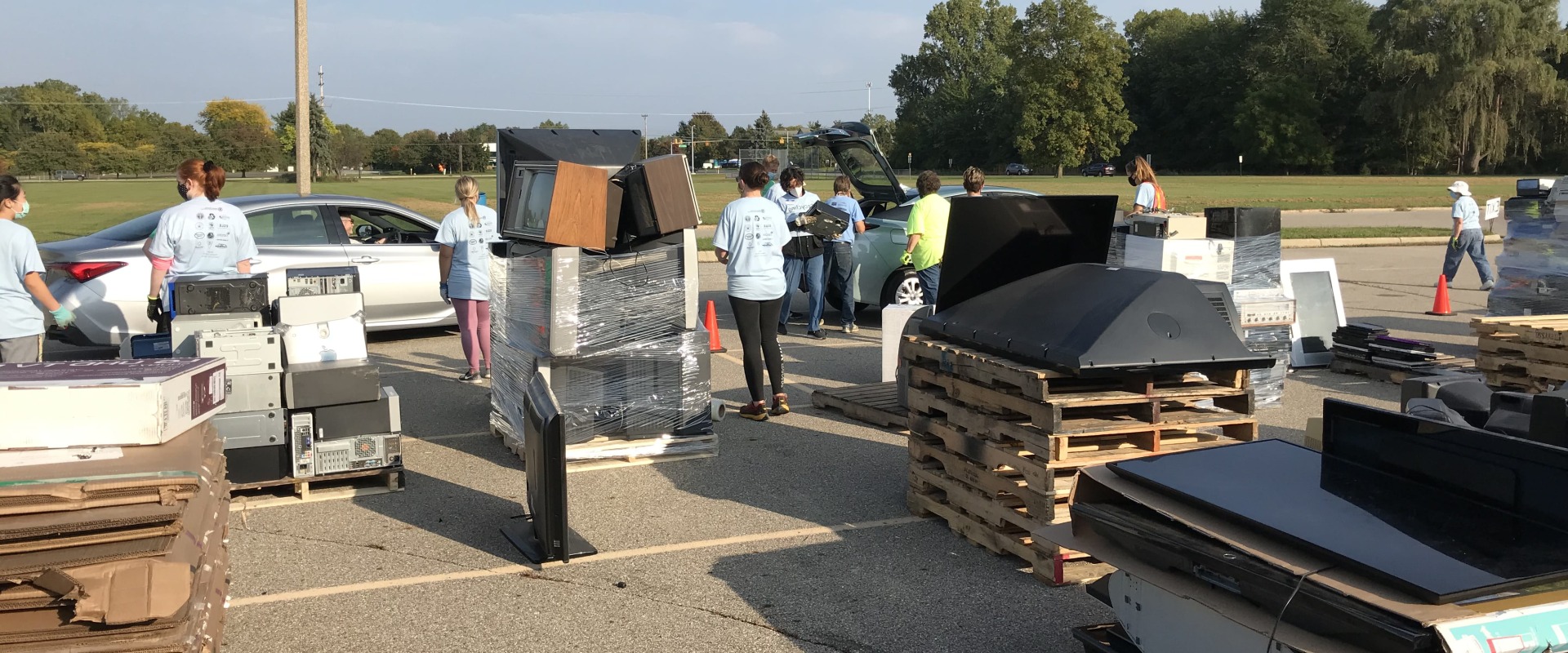
In Lansing, specialized e-waste recycling events play a crucial role in managing electronic waste and promoting environmental sustainability. These events are organized periodically throughout the year, providing residents with convenient opportunities to dispose of their unwanted electronics responsibly.Frequency and Scheduling
The city of Lansing typically schedules e-waste collection days several times a year, often coinciding with community clean-up initiatives or Earth Day celebrations. These events are widely publicized through local media, social media platforms, and the city’s official website to ensure maximum participation. Residents are encouraged to check these sources regularly for announcements regarding upcoming events.
Types of Items Accepted
During these specialized e-waste recycling events, residents can bring a wide range of electronic items for safe disposal.
Commonly accepted items include:
- Computers and laptops
- Monitors and televisions
- Printers and scanners
- Mobile phones and tablets
- Video game consoles
- Cables and chargers
- Small household electronics, such as microwaves and toasters
Community Engagement and Awareness
These e-waste recycling events not only facilitate the proper disposal of electronic devices but also serve as educational platforms for the community. By participating in these initiatives, residents gain valuable insights into the importance of responsible e-waste management. Local officials often provide information on:
- The environmental impacts of improper e-waste disposal
- How recycling electronics conserves natural resources
- Best practices for reducing electronic waste at home
Conclusion
Specialized e-waste recycling events in Lansing are vital for fostering a culture of sustainability within the community.
By providing accessible options for disposing of electronic waste and raising awareness about its environmental impact, these initiatives empower residents to take an active role in protecting their environment. As participation grows, so does the collective effort to reduce e-waste and promote responsible recycling practices in Lansing.
Permanent Drop-off Locations for E-Waste Recycling
For residents of Lansing, Michigan, there are several permanent drop-off locations where you can recycle your electronic waste at your convenience. These facilities are designed to make it easy for individuals to dispose of their unwanted electronics responsibly, ensuring that hazardous materials are handled properly and valuable resources are recovered. Below are the key locations available for e-waste recycling:1.City of Lansing Drop-off Center
Located at 600 East Maple Street , the City of Lansing Drop-off Center is a primary facility for residents looking to recycle their electronic devices.This center accepts a wide range of items, including:
- Computers and laptops
- Monitors and televisions
- Printers and scanners
- Mobile phones and tablets
- Cables and chargers
2.Best Buy
The local Best Buy store, located at 1234 W Saginaw St , also offers e-waste recycling services. Customers can bring in up to three items per day for free recycling. Accepted items include:- Laptops
- Tablets
- Printers
- Televisions (with size restrictions)
- Video game consoles
3.Goodwill Industries
Goodwill Industries
, located at
4567 S Cedar St
, provides another avenue for e-waste recycling. They accept working electronics for resale, while items that cannot be resold are recycled responsibly.
This not only helps in reducing e-waste but also supports local job training programs.By utilizing these permanent drop-off locations, residents of Lansing can ensure that their electronic waste is disposed of in an environmentally friendly manner. It is essential to check the specific items accepted at each location before visiting, as guidelines may vary. Engaging in these recycling efforts contributes significantly to the sustainability goals of the community and helps protect the environment.
The E-Waste Recycling Process: From Collection to Reuse
The recycling process for electronic waste (e-waste) is a critical component of sustainable waste management, particularly in cities like Lansing, Michigan. Once e-waste is collected through various programs, it undergoes a meticulous series of steps designed to ensure that hazardous materials are safely handled and valuable components are recovered for reuse.Step 1: Collection and Transportation
The journey of e-waste recycling begins with the collection of discarded electronics from designated drop-off locations or during community collection events.Once collected, these items are transported to specialized recycling facilities equipped to handle e-waste. This initial step is crucial as it sets the stage for the subsequent processing stages.
Step 2: Sorting
Upon arrival at the recycling facility, the e-waste is sorted into different categories based on the type of material and its potential for recycling. This sorting process is essential for identifying hazardous components, such as batteries and circuit boards, which require special handling due to their toxic substances. The sorting can be done manually or with the help of advanced machinery that can identify and separate materials efficiently.Step 3: Dismantling
After sorting, the next phase involves dismantling the electronic devices.Skilled workers or automated systems carefully take apart each item to extract valuable components such as:
- Metals: Copper, aluminum, and gold are commonly found in circuit boards and wiring.
- Plastics: Various types of plastics used in casings and components.
- Glass: Screens from televisions and monitors.
Step 4: Processing
Once dismantled, the recovered materials undergo further processing. Metals are often melted down and purified to remove impurities, making them suitable for reuse in manufacturing new products. Plastics may be shredded and reprocessed into pellets that can be molded into new items. Glass is typically crushed and refined for use in new electronic displays or other applications.Step 5: Responsible Disposal
For components that cannot be recycled, such as certain hazardous materials, responsible disposal methods are employed.These materials are sent to specialized facilities that can safely neutralize or contain them, preventing environmental contamination.The entire e-waste recycling process not only conserves natural resources but also minimizes pollution and reduces landfill waste. By understanding these steps, residents of Lansing can appreciate the importance of participating in local recycling programs and contribute to a more sustainable future.
Local Organizations Supporting E-Waste Recycling Efforts
In Lansing, Michigan, several local organizations are actively involved in promoting e-waste recycling efforts, playing a crucial role in enhancing the city’s sustainability initiatives. These organizations not only facilitate the recycling process but also educate the community about the importance of responsible electronic waste disposal.1.Michigan Department of Environment, Great Lakes, and Energy (EGLE)
- EGLE is a key player in overseeing environmental regulations and promoting sustainable practices across Michigan. In Lansing, they provide valuable resources and information regarding e-waste recycling initiatives.
- The department collaborates with local governments and organizations to ensure that residents have access to proper recycling facilities and events.
2.Recycling Coalition of Michigan
- This coalition works tirelessly to improve recycling efforts statewide, including in Lansing.
They often partner with local entities to enhance e-waste recycling programs.
- Through workshops and community outreach, the coalition raises awareness about the environmental impacts of e-waste and encourages residents to participate in recycling initiatives.
3.Local Environmental Groups
- Various grassroots organizations in Lansing focus on environmental conservation and sustainability. These groups often organize community clean-up events that include e-waste collection drives.
- By engaging residents through educational campaigns, these organizations foster a culture of responsibility towards electronic waste management.
4.Partnerships with Educational Institutions
- Local schools and universities play a significant role in promoting e-waste recycling through educational programs. Many institutions collaborate with city officials to host e-waste collection events on campus.
- These partnerships not only facilitate the recycling of electronics but also educate students about the importance of sustainability and responsible disposal practices.
Community Education and Involvement in E-Waste Recycling
In Lansing, Michigan, community education and involvement play a pivotal role in promoting effective e-waste recycling practices.By engaging residents through various educational initiatives, the city aims to raise awareness about the environmental impacts of electronic waste and the importance of responsible disposal methods.
School Programs
Local schools in Lansing have integrated e-waste education into their curricula, providing students with valuable knowledge about the lifecycle of electronic devices and their environmental consequences. These programs often include:- Interactive Workshops: Students participate in hands-on activities that demonstrate how e-waste is processed and recycled. This experiential learning helps them understand the significance of recycling.
- Guest Speakers: Local environmental experts are invited to speak about the dangers of improper e-waste disposal and the benefits of recycling, fostering a deeper understanding among students.
- Recycling Drives: Schools organize e-waste collection events where students can bring in old electronics, encouraging them to take action and contribute to sustainability efforts.
Community Workshops
The city of Lansing also hosts community workshops focused on e-waste management. These sessions are designed for residents of all ages and cover a range of topics, including:- Types of Recyclable Electronics: Participants learn which electronic items can be recycled and how to prepare them for drop-off.
- Safe Disposal Practices: Workshops emphasize the importance of handling hazardous materials found in electronics, such as batteries and circuit boards, to prevent environmental contamination.
- Recycling Process Overview: Attendees gain insight into what happens to their e-waste after it is collected, demystifying the recycling process and reinforcing its importance.
Online Resources
Lansing provides a wealth of online resources aimed at educating residents about e-waste recycling.The city’s official website features:
- Guidelines for Recycling: Clear instructions on how to recycle various types of electronics, including any associated fees or restrictions.
- Event Calendars: Information on upcoming e-waste collection events and workshops, ensuring residents stay informed about opportunities to recycle.
- FAQs: A comprehensive section addressing common questions about e-waste recycling, helping residents make informed decisions regarding their electronic waste.
Frequently Asked Questions about E-Waste Recycling in Lansing
Residents of Lansing often have questions regarding the proper disposal and recycling of electronic waste. Understanding these common inquiries can help facilitate responsible e-waste management and encourage community participation in local recycling programs. Below are some frequently asked questions about e-waste recycling in Lansing:What types of electronics can be recycled in Lansing?
Lansing's recycling programs accept a wide range of electronic items, including but not limited to:- Computers and laptops
- Monitors and televisions
- Printers and scanners
- Mobile phones and tablets
- Video game consoles
- Cables and chargers
Where can I drop off my e-waste?
The City of Lansing provides designated drop-off locations for residents to recycle their electronic waste.Key locations include:
- City of Lansing Drop-off Center: Located at 600 East Maple Street, this center accepts a variety of electronic items during regular business hours.
- Best Buy: This retailer offers e-waste recycling services, allowing customers to bring in up to three items per day for free recycling.
- Goodwill Industries: Goodwill accepts working electronics for resale, while non-resalable items are recycled responsibly.
Is there a fee for recycling electronics?
While many e-waste recycling programs in Lansing are free, certain specific items may incur a small fee. It’s advisable to verify any potential costs before heading to a drop-off site. Always check the latest information on the city’s official website or contact local recycling centers for details.What happens to my e-waste after I drop it off?
Your electronic waste is processed by certified recyclers who ensure that hazardous materials are handled safely. Valuable components are recovered for reuse, while harmful substances are disposed of in an environmentally responsible manner.This process not only protects the environment but also conserves resources by allowing materials to be repurposed.
Can businesses participate in e-waste recycling programs?
Yes, businesses in Lansing can also take advantage of e-waste recycling programs. However, they may need to arrange for bulk pickups or special drop-off services. It is recommended that business owners contact local recycling centers to discuss their specific needs and options available.If you have more questions or need further assistance, consider reaching out to the Lansing Department of Public Service or visiting their website for detailed information on recycling programs in Lansing, Michigan.Conclusion: The Future of Electronic Waste Recycling in Lansing
As we reflect on the current state and future prospects of electronic waste recycling in Lansing, it is evident that the city has made commendable progress in establishing effective recycling programs. These initiatives not only address the pressing issue of e-waste but also foster a culture of sustainability and community engagement.The importance of recycling programs in Lansing, Michigan cannot be overstated.With the rapid evolution of technology, the volume of electronic waste generated is on the rise, making it crucial for both residents and businesses to actively participate in recycling efforts. By doing so, they contribute significantly to reducing landfill waste, conserving valuable natural resources, and minimizing environmental pollution.Moreover, Lansing's commitment to education and outreach plays a pivotal role in promoting responsible e-waste disposal. The city has implemented various campaigns aimed at raising awareness about proper recycling practices. These efforts ensure that residents are well-informed about local recycling events and the types of electronics that can be recycled.Looking ahead, it is essential for Lansing to continue enhancing its electronic waste recycling programs.
This could involve:
- Expanding collection events to accommodate more residents and businesses.
- Partnering with local businesses to establish additional drop-off locations for e-waste.
- Exploring innovative recycling technologies that improve efficiency and effectiveness in processing e-waste.