In recent years, the city of Lansing, Michigan, has made significant strides in implementing recycling programs that not only aim to reduce waste but also promote a culture of sustainability within the community. As environmental concerns continue to rise globally, local initiatives have become increasingly important in addressing these challenges at a grassroots level. The recycling programs in Lansing serve as a vital component of the city’s strategy to enhance ecological responsibility while simultaneously fostering economic growth.The significance of these recycling initiatives extends beyond mere waste management; they are intricately linked to the local economy. By diverting materials from landfills, Lansing's recycling programs create opportunities for job creation and support local businesses that engage in sustainable practices.
This dual focus on environmental stewardship and economic development positions Lansing as a forward-thinking community that values both its natural resources and its residents' livelihoods.Moreover, the economic impact of recycling programs in Lansing is profound. As residents become more engaged in these initiatives, they not only contribute to reducing landfill waste but also help stimulate local markets by supporting businesses that utilize recycled materials. This creates a circular economy where resources are reused and repurposed, ultimately leading to a more resilient community. Understanding the multifaceted benefits of recycling programs is essential for residents and policymakers alike as they navigate the complexities of sustainability and economic growth.
Overview of Recycling Programs in Lansing
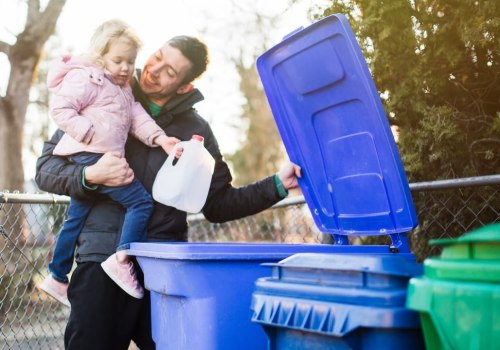
In Lansing, Michigan, the city has developed a comprehensive array of recycling programs designed to promote sustainability and encourage community participation.These initiatives are crucial for reducing waste and fostering an environmentally conscious culture among residents.One of the most significant components of Lansing's recycling efforts is the curbside recycling program. This program allows residents to conveniently dispose of their recyclable materials right from their homes. Each household is provided with a designated recycling bin, which is collected on a regular schedule. The curbside program accepts a wide variety of materials, including:
- Plastics: Containers labeled with recycling symbols #1 (PETE) and #2 (HDPE).
- Metals: Aluminum cans and tin cans.
- Papers: Most paper products, such as newspapers, magazines, and cardboard.
- Glass: Clear, green, and brown glass bottles and jars.
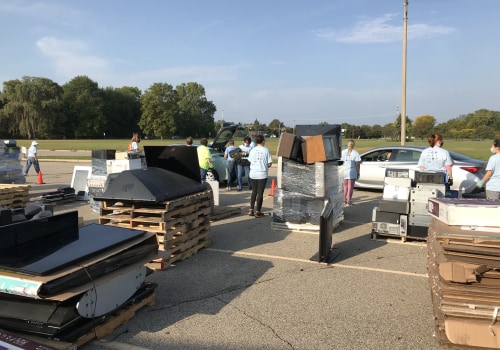
These facilities are strategically located throughout the city to provide an alternative for residents who may not have curbside service or who wish to recycle larger items that cannot fit in standard bins. Drop-off centers accept a broader range of materials, including:
- Electronics: Old computers, televisions, and other electronic devices.
- Hazardous waste: Items such as batteries and paint that require special handling.
- Larger recyclables: Furniture or appliances that need to be recycled responsibly.
Economic Benefits of Recycling Programs
The economic benefits of recycling programs in Lansing, Michigan, extend far beyond environmental conservation; they play a pivotal role in enhancing the local economy.By fostering job creation and supporting local businesses, these initiatives contribute to a more resilient and sustainable community.
Job Creation in Lansing
One of the most significant advantages of recycling programs is their ability to generate employment opportunities. As these programs expand, they require a workforce for various tasks, including collection, sorting, processing, and manufacturing. This demand leads to the creation of jobs across multiple sectors:- Collection and Transportation: Workers are needed to collect recyclables from curbside bins and transport them to processing facilities.
- Sorting Facilities: Employees are essential for sorting materials at recycling centers, ensuring that only acceptable items are processed.
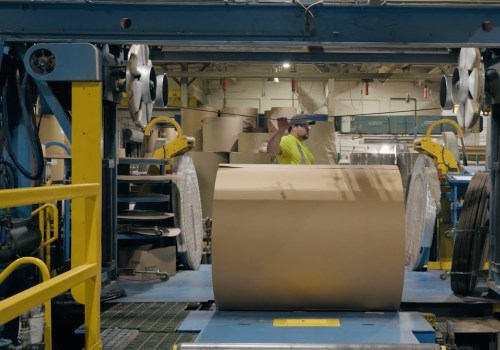
- Manufacturing: Recycled materials are often transformed into new products, creating jobs in manufacturing sectors that focus on sustainability.
Support for Local Businesses
Recycling programs also offer substantial support for local businesses.By providing access to recycled materials at lower costs compared to virgin resources, these initiatives enable businesses to reduce operational expenses. This cost-effectiveness encourages companies to adopt sustainable practices, which can enhance their brand image and attract environmentally conscious consumers.Moreover, businesses that actively participate in recycling efforts often find themselves at a competitive advantage. As consumer preferences shift towards eco-friendly products and services, companies that prioritize sustainability can differentiate themselves in the marketplace. This trend not only boosts sales but also fosters loyalty among customers who value environmental responsibility.
Overall Economic Growth
The economic impact of recycling extends beyond immediate job creation and business support.By diverting waste from landfills, recycling programs help lower municipal waste management costs. These savings can be redirected towards other essential community services, enhancing the overall quality of life for residents.Furthermore, a thriving recycling sector can attract investments and foster innovation in green technologies. As Lansing positions itself as a leader in sustainability efforts, it may draw interest from companies looking to invest in environmentally friendly practices. This influx of investment not only creates jobs but also stimulates economic growth within the community.In conclusion, the economic benefits of recycling programs in Lansing are profound.
By fostering job creation and supporting local businesses while contributing to overall economic growth, these initiatives play a crucial role in building a sustainable future for the community.
Cost Savings and Resource Management through Recycling
Recycling programs in Lansing, Michigan, are not just environmentally beneficial; they also provide significant cost savings for both the city and its residents. By effectively managing waste through recycling, Lansing can reduce the financial burden associated with landfill operations and promote a more sustainable approach to resource management.One of the primary ways recycling contributes to cost savings is by decreasing the volume of waste sent to landfills. When materials are recycled, they do not contribute to landfill overflow, which can lead to lower landfill disposal costs. The city incurs tipping fees for every ton of waste deposited in landfills, and as recycling rates increase, these fees can be significantly reduced.This not only saves taxpayer money but also extends the lifespan of existing landfills, delaying the need for new landfill sites that require substantial investment.Moreover, recycling promotes efficient resource management by reprocessing materials such as paper, glass, and metals. This process conserves natural resources and reduces the need for raw material extraction. For instance, recycling one ton of paper can save 17 trees, 7,000 gallons of water, and 4,100 kilowatts of electricity. By utilizing recycled materials instead of virgin resources, local businesses can lower their production costs, which can translate into lower prices for consumers.In addition to direct financial benefits, recycling programs foster a culture of sustainability within the community.
As residents become more engaged in recycling efforts, they often adopt other environmentally friendly practices that can lead to further cost savings. For example, households that actively recycle may also reduce their overall waste generation by being more mindful of their consumption habits.Furthermore, effective recycling initiatives can create local jobs in collection, processing, and manufacturing sectors. These job opportunities not only stimulate the local economy but also contribute to a more resilient community. As Lansing continues to invest in its recycling programs, the potential for economic growth through job creation and resource efficiency becomes increasingly apparent.In conclusion, the financial implications of recycling programs in Lansing are profound.
By focusing on cost savings and efficient resource management, the city can enhance its economic stability while promoting environmental sustainability. As residents and local businesses embrace these initiatives, Lansing is well-positioned to thrive economically while reducing its ecological footprint.
Environmental Impact and Its Economic Implications
The environmental benefits of recycling programs in Lansing, Michigan, extend far beyond mere waste reduction; they play a pivotal role in fostering a healthier ecosystem and promoting economic prosperity. By diverting materials from landfills, these programs significantly contribute to the conservation of natural resources and the reduction of pollution.One of the most critical environmental impacts of recycling is the reduction of greenhouse gas emissions. When recyclable materials such as paper, plastics, and metals are processed instead of being produced from raw materials, the energy consumption decreases dramatically.For instance, recycling aluminum saves up to 95% of the energy required to create new aluminum from bauxite ore. This energy efficiency translates into lower carbon emissions, which is essential for combating climate change and improving air quality.Moreover, recycling helps to minimize the volume of waste sent to landfills. Landfills are significant sources of methane, a potent greenhouse gas that contributes to global warming. By reducing the amount of waste that ends up in these sites, Lansing's recycling programs help mitigate methane emissions and promote a cleaner environment.In addition to these environmental benefits, there are substantial economic implications tied to sustainability efforts.
As Lansing embraces recycling initiatives, it not only enhances its ecological footprint but also stimulates local economic growth. The demand for recycled materials creates job opportunities in various sectors, including collection, sorting, and processing. According to studies, recycling generates more jobs per ton of waste than traditional waste disposal methods like landfilling or incineration.Furthermore, as residents become more engaged in sustainable practices through recycling programs, there is a ripple effect that fosters community pride and encourages local businesses to adopt eco-friendly practices. This shift not only attracts environmentally conscious consumers but also positions Lansing as a leader in sustainability efforts, potentially drawing investments and tourism that further bolster the local economy.In conclusion, the interplay between environmental benefits and economic growth in Lansing highlights the importance of robust recycling programs.
By prioritizing sustainability through effective waste management strategies, Lansing can pave the way for a healthier environment while simultaneously enhancing its economic landscape.
Challenges Facing Recycling Programs in Lansing
Despite the numerous advantages associated with recycling programs in Lansing, Michigan, several significant challenges impede their effectiveness and sustainability. Addressing these challenges is essential for enhancing community participation and ensuring the long-term success of these initiatives.Funding Limitations
One of the most pressing issues facing recycling programs in Lansing is funding limitations. Many local governments, including Lansing, often struggle to allocate adequate resources for recycling initiatives. This lack of funding can lead to:- Inadequate Infrastructure: Insufficient financial support may result in a lack of necessary facilities and equipment for processing recyclable materials.
Without modern recycling centers, the efficiency of waste management is compromised.
- Limited Outreach Efforts: Effective recycling programs require educational campaigns to inform residents about proper recycling practices. However, without sufficient funding, these outreach efforts may be minimal or nonexistent, leading to low participation rates.
- Reduced Collection Services: Budget constraints can also affect the frequency and reliability of collection services. Inconsistent collection schedules can frustrate residents and discourage them from participating in recycling efforts.
Community Engagement Barriers
Another significant challenge is the community engagement barriers. Many residents may not fully grasp the importance of recycling or how to participate effectively.This lack of understanding can manifest in several ways:
- Misinformation: There is often confusion regarding what materials are recyclable. Misinformation can lead to contamination in recycling bins, where non-recyclable items are mixed with recyclables, ultimately resulting in entire batches being sent to landfills.
- Lack of Awareness: Many residents may not be aware of the specific recycling programs available to them or how they can contribute. This lack of awareness can lead to low participation rates and missed opportunities for waste reduction.
- Cultural Attitudes: In some cases, cultural attitudes towards waste management may hinder community involvement. If residents do not view recycling as a priority or believe it is inconvenient, they are less likely to engage with local programs.
By addressing these issues head-on, Lansing can strengthen its recycling programs and foster a more sustainable local economy.
Case Studies: Successful Recycling Initiatives in Lansing
In Lansing, Michigan, several successful recycling initiatives have emerged, showcasing the positive impact of community engagement and innovative practices on local economic growth. These case studies highlight how effective recycling programs not only contribute to environmental sustainability but also foster economic resilience within the community.The Lansing Recycle Center
The Lansing Recycle Center serves as a pivotal hub for the city’s recycling efforts. Established to enhance waste management efficiency, this facility processes a diverse range of materials, including plastics, metals, and paper. By providing residents with accessible recycling services, the center has successfully increased participation rates by over 30% within just two years.This surge in recycling not only reduces landfill waste but also creates local jobs in sorting and processing materials, thereby contributing to the economic vitality of Lansing.
The Green Team Initiative
Another noteworthy program is the Green Team Initiative , a community-driven effort focused on educating residents about the importance of recycling and sustainable practices. Through workshops, outreach events, and hands-on activities, this initiative has engaged over 1,000 households in Lansing. Participants learn effective recycling techniques and waste reduction strategies, fostering a more informed community that actively supports local green businesses and services. The initiative not only enhances community awareness but also strengthens social bonds among residents.Partnerships with Local Businesses
Collaboration between the city and local businesses has also played a crucial role in enhancing recycling efforts.For instance, partnerships have led to the establishment of a closed-loop system where recycled materials are repurposed into new products by local manufacturers. This innovative approach not only reduces production costs for businesses but also stimulates job growth in sectors focused on sustainability. By integrating recycled materials into their supply chains, these businesses contribute to a circular economy that benefits both the environment and the local economy.These case studies illustrate that successful recycling initiatives in Lansing are not merely about environmental benefits; they are integral to fostering economic growth and community resilience. By investing in these programs and encouraging active participation from residents and businesses alike, Lansing is paving the way for a sustainable future that prioritizes both ecological health and economic prosperity.
Future of Recycling Programs in Lansing: Trends and Predictions
As we look ahead, the future of recycling programs in Lansing, Michigan is poised for significant transformation driven by emerging trends and technological advancements.These changes not only aim to enhance recycling rates but also promise to stimulate local economic growth and foster a culture of sustainability within the community.
Emerging Trends in Recycling
- Increased Community Engagement: One of the most notable trends is the growing emphasis on community involvement. Local organizations and city officials are increasingly recognizing the importance of educating residents about recycling practices. Workshops, informational campaigns, and community events are being organized to raise awareness and encourage participation.
- Focus on Zero Waste: The concept of zero waste is gaining traction in Lansing, with initiatives aimed at minimizing waste generation at the source. This approach encourages residents and businesses to rethink their consumption habits, leading to a more sustainable lifestyle.
- Partnerships with Local Businesses: Collaborations between the city and local businesses are becoming more common.
These partnerships can lead to innovative recycling solutions, such as closed-loop systems where businesses use recycled materials in their production processes.
Technological Advancements in Recycling
The integration of technology into recycling processes is another key trend shaping the future of these programs in Lansing. Innovations such as:
- Smart Bins: Equipped with sensors, smart bins can monitor waste levels and optimize collection routes. This technology not only improves efficiency but also reduces operational costs for waste management services.
- Advanced Sorting Technologies: New sorting technologies, including AI-driven systems, can enhance the accuracy of material separation at recycling facilities. This leads to higher quality recycled materials and reduces contamination rates.
- Mobile Apps for Recycling Education: The development of mobile applications that provide information on what can be recycled and how to do it properly is becoming increasingly popular.
These apps can help residents stay informed and engaged with local recycling efforts.
Predictions for Economic Impact
The economic implications of these evolving recycling programs are substantial. As Lansing enhances its recycling infrastructure and community engagement efforts, we can expect:
- Job Creation: Increased demand for recycling services will likely result in new job opportunities within the community, particularly in sectors related to waste management and green technologies.
- Investment Opportunities: As the city positions itself as a leader in sustainability, it may attract investments from companies specializing in innovative recycling technologies and sustainable practices.
- Cost Savings: Improved recycling rates can lead to lower waste disposal costs for the city, allowing funds to be redirected towards other essential community services.
FAQs about Recycling Programs in Lansing, Michigan
Residents of Lansing, Michigan, often have questions regarding the city's recycling programs. Understanding these aspects can significantly enhance participation and ensure that the community maximizes its recycling efforts.Below are some of the most frequently asked questions about recycling in Lansing.
What materials can be recycled in Lansing?
Lansing's recycling program accepts a wide range of materials to promote effective waste management. Here’s a list of commonly accepted recyclables:- Plastics: Containers labeled with recycling symbols #1 (PETE) and #2 (HDPE) are recyclable. This includes items like water bottles and milk jugs.
- Metals: Aluminum cans, such as soda cans, and tin cans are accepted.
- Papers: Most paper products, including newspapers, magazines, office paper, and cardboard, can be recycled.
- Glass: Clear, green, and brown glass containers are recyclable.
How does the recycling process work?
The recycling process in Lansing involves several key steps to ensure that materials are properly handled:- Collection: Recyclables are collected from curbside bins on designated collection days.
- Sorting: Collected materials are taken to a recycling facility where they are sorted into different categories to ensure only acceptable items are processed.
- Processing: Sorted materials undergo cleaning and processing to prepare them for manufacturing.
- Manufacturing: The processed materials are then used to create new products, closing the recycling loop.
What are common concerns about recycling?
Many residents express concerns regarding various aspects of recycling. Here are some common issues:- Contamination: Mixing non-recyclable items with recyclables can lead to contamination, causing entire batches to be sent to landfills.
- Cost: Some residents worry about the financial implications of maintaining recycling programs.
However, studies indicate that effective recycling can save money in the long run by reducing landfill use.
How can I get involved in local recycling efforts?
Lansing encourages community involvement through various initiatives. Here’s how you can participate:- Participate in local clean-up events: Join community efforts to clean up parks and public spaces while promoting recycling awareness.
- Educate others: Share information about proper recycling practices with friends and family to foster a culture of sustainability.
- Advocate for improvements: Engage with local government or environmental organizations to advocate for enhanced recycling facilities and programs within the city.
Conclusion: The Importance of Recycling Programs for Lansing's Economy and Environment
In conclusion, the recycling programs in Lansing, Michigan, represent a vital intersection of economic growth and environmental stewardship. As we have explored throughout this article, these initiatives are not merely about managing waste; they are a comprehensive strategy that fosters community engagement, supports local businesses, and contributes to a sustainable future.One of the most significant aspects of these programs is their ability to create jobs. The recycling sector has proven to be a robust source of employment opportunities, with each job in recycling generating additional positions in related fields.This multiplier effect not only strengthens Lansing's job market but also enhances the overall economic landscape by encouraging local spending and investment.Moreover, the financial benefits of recycling extend beyond job creation. By diverting waste from landfills, Lansing can significantly reduce its waste management costs. Lower disposal fees mean that more resources can be allocated to essential community services, thereby improving the quality of life for residents. This economic efficiency is crucial for maintaining a balanced budget while promoting sustainability.Environmental sustainability is another critical component of Lansing's recycling programs.
By reducing landfill waste and conserving natural resources, these initiatives help mitigate pollution and lower greenhouse gas emissions. This not only benefits the local ecosystem but also contributes to public health by creating a cleaner environment for all residents.Furthermore, as community awareness about recycling grows, so does participation in these programs. Educational campaigns and community events play a pivotal role in fostering a culture of sustainability. When residents understand the importance of their actions, they are more likely to engage in recycling efforts, leading to higher diversion rates and greater environmental impact.In summary, the importance of recycling programs in Lansing cannot be overstated.
They serve as a cornerstone for both economic vitality and environmental health. By continuing to invest in and improve these initiatives, Lansing can pave the way for a sustainable future that benefits all its residents while setting an example for other communities to follow.