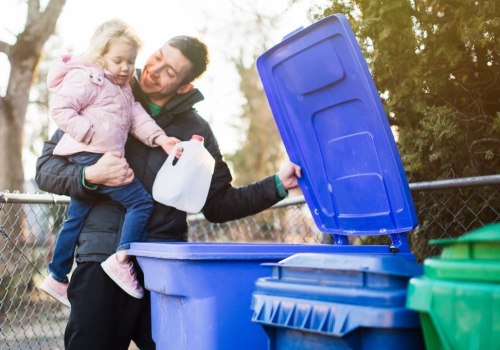
In Lansing, Michigan, the commitment to sustainability is not just a trend; it is a vital part of the community's identity. As the city hosts a variety of events and festivals throughout the year, the importance of effective recycling programs becomes increasingly evident. These gatherings attract large crowds, generating significant amounts of waste that can pose challenges to local waste management systems. However, with a proactive approach to recycling, Lansing aims to turn these challenges into opportunities for education and community engagement. The city's recycling initiatives are designed to minimize landfill contributions while maximizing resource recovery.
By implementing comprehensive recycling strategies during events, Lansing not only addresses immediate waste concerns but also fosters a culture of environmental responsibility among residents and visitors alike. This dual focus on practical waste management and community involvement is essential for creating lasting change in how individuals perceive and engage with recycling. Moreover, the role of community participation cannot be overstated. Local volunteers, organizations, and businesses play a crucial part in supporting Lansing's recycling efforts during events. Their involvement helps to raise awareness about the importance of proper waste disposal and encourages attendees to adopt sustainable practices.
As we explore the various aspects of Lansing's recycling programs during events and festivals, it becomes clear that these initiatives are more than just logistical solutions; they are integral to building a greener future for the city.
Overview of Lansing's Recycling Policies
The framework of recycling policies in Lansing, Michigan, is designed to facilitate effective waste management and promote environmental sustainability. Understanding these policies is essential for both residents and event organizers to ensure compliance with local regulations and contribute to a cleaner community.Accepted Materials
- Paper: This includes newspapers, magazines, office paper, and cardboard. All paper products should be clean and dry.
- Plastics: Lansing accepts plastics labeled with recycling codes 1 (PETE) and 2 (HDPE). Common items include water bottles, milk jugs, and detergent containers.
- Glass: Clear, green, and brown glass bottles and jars are accepted.
It is important to rinse them out to avoid contamination.
- Aluminum: Aluminum cans, such as those used for beverages, are recyclable. They should be empty and clean before disposal.
Prohibited Items
To maintain the integrity of the recycling stream, certain items are not accepted in Lansing's recycling program. These include:
- Plastic Bags: These can cause issues in recycling machinery and should be disposed of in the trash.
- Polystyrene Foam: Commonly found in takeout containers, this material is not recyclable in Lansing.
- Hazardous Waste: Items such as batteries, electronics, and chemicals must be disposed of through special programs.
Event-Specific Guidelines
Lansing has established specific guidelines for recycling during events and festivals to enhance waste management efforts. Event organizers are encouraged to:
- Set up designated recycling stations that are clearly marked with signage indicating what materials can be recycled.
- Provide volunteers or staff at these stations to assist attendees in properly sorting their waste.
- Incorporate educational materials that inform participants about the importance of recycling and how they can contribute to sustainability efforts.
Recycling Programs Specific to Events and Festivals
The city of Lansing, Michigan, has developed a robust framework for recycling programs specifically tailored to events and festivals.These initiatives are essential for managing the substantial waste generated during large gatherings, ensuring that sustainability remains a priority.One of the cornerstones of Lansing's approach is the establishment of recycling stations at various event venues. These stations are strategically placed throughout festival grounds, making it convenient for attendees to dispose of recyclable materials. Each station is equipped with clear signage that outlines what can and cannot be recycled, significantly reducing the risk of contamination. This clarity is crucial, as it helps attendees make informed decisions about waste disposal.In addition to recycling stations, Lansing actively engages with local organizations to provide educational initiatives during events.
These programs aim to raise awareness about the importance of recycling and responsible waste management. For instance, volunteers are often stationed at recycling areas to assist festival-goers in understanding proper disposal methods. This hands-on approach not only enhances participation but also fosters a sense of community responsibility towards environmental stewardship.Moreover, many events in Lansing have begun incorporating composting efforts alongside traditional recycling initiatives. By providing compost bins next to recycling stations, organizers can effectively divert organic waste from landfills.
This dual approach not only reduces overall waste but also contributes to enriching local soil through composting practices.Lansing's commitment to sustainability extends beyond just recycling and composting; it also encourages event organizers to adopt eco-friendly practices. This includes promoting vendors who utilize biodegradable materials for food service and other products. By setting these standards, Lansing ensures that all aspects of an event align with its sustainability goals.Overall, the city's proactive measures in implementing event recycling programs demonstrate a strong commitment to environmental responsibility. Through accessible recycling options, educational outreach, and collaboration with local organizations, Lansing is paving the way for a greener future during its vibrant festivals and events.
Partnerships and Collaborations for Effective Recycling
The city of Lansing, Michigan, has recognized that effective recycling programs are not solely the responsibility of local government; they thrive on the strength of partnerships and community involvement.By collaborating with various local organizations and businesses, Lansing has been able to enhance its recycling efforts significantly, especially during events and festivals.
Community Involvement
One of the cornerstones of Lansing's recycling initiatives is the active participation of community members. Local volunteers play a crucial role in promoting recycling practices at events. These individuals often serve as ambassadors for sustainability, educating attendees about proper waste disposal methods and the importance of recycling. Their presence not only helps to guide festival-goers but also fosters a sense of community ownership over environmental stewardship.
Collaborations with Local Organizations
Lansing has formed strategic alliances with several non-profit organizations dedicated to sustainability.
For instance, partnerships with groups like the Lansing Environmental Action Team (LEAT) have been instrumental in implementing effective recycling stations at major events. These stations are equipped with clear signage and staffed by knowledgeable volunteers who assist attendees in understanding what materials can be recycled.Additionally, local schools and educational institutions often collaborate with the city to promote recycling initiatives. By involving students in these efforts, Lansing not only educates the younger generation about sustainability but also encourages them to take an active role in their community.
Business Engagement
Local businesses also contribute significantly to Lansing's recycling programs. Many companies sponsor recycling bins at events, providing both financial support and resources to ensure that waste is sorted correctly.
This collaboration enhances the visibility of recycling initiatives and encourages businesses to adopt sustainable practices within their operations.Moreover, some businesses have begun to prioritize eco-friendly products and services, aligning their operations with the city’s sustainability goals. This trend not only minimizes waste but also sets a positive example for other businesses in the area.
Educational Campaigns
To further bolster these collaborative efforts, Lansing has launched various educational campaigns aimed at raising awareness about the importance of recycling. Workshops and informational booths at community events serve as platforms for sharing best practices and tips on reducing waste. By engaging residents in these discussions, Lansing aims to create a culture of sustainability that extends beyond individual events.In conclusion, the success of Lansing's recycling programs is largely attributed to the strong partnerships formed between the city, local organizations, and businesses.
Through community involvement and collaborative efforts, Lansing continues to pave the way for a more sustainable future.
Challenges Faced by Lansing's Recycling Programs During Events
Implementing effective recycling programs during events in Lansing, Michigan, presents a variety of challenges that can significantly impact the success of waste management efforts. Understanding these challenges is essential for improving recycling initiatives and fostering a culture of sustainability within the community.Lack of Awareness
: One of the primary obstacles faced by Lansing's recycling programs during events is the lack of awareness among attendees. Many festival-goers may not be familiar with the specific recycling options available or the materials that can be recycled. This knowledge gap often leads to improper disposal practices, where non-recyclable items are placed in recycling bins, resulting in contamination.
To combat this issue, it is crucial to implement comprehensive educational campaigns that inform attendees about what can and cannot be recycled.
Insufficient Infrastructure
: Another significant challenge is the insufficient infrastructure for waste management during large events. Often, the number of recycling bins provided is inadequate compared to trash receptacles. This imbalance can discourage attendees from recycling, as they may find it more convenient to dispose of their waste in nearby trash cans. To enhance recycling rates, event organizers should ensure that recycling bins are not only plentiful but also strategically placed alongside trash bins to facilitate proper disposal.
Contamination Issues
: Contamination remains a critical concern for Lansing's recycling programs.
When non-recyclable materials are mixed with recyclables, it complicates the sorting process and can lead to entire batches of recyclables being sent to landfills. This issue is particularly prevalent at events where food and beverages are consumed, as items like greasy containers or half-eaten food can easily find their way into recycling bins. To mitigate contamination, clear signage indicating acceptable materials should be prominently displayed at each recycling station.
Volunteer Training
: Events often rely on volunteers to manage waste stations and assist attendees with proper disposal methods. However, if these volunteers are not adequately trained on what constitutes recyclable materials, they may inadvertently mislead festival-goers, exacerbating contamination issues.
Providing thorough training sessions for volunteers before events can empower them to effectively educate attendees and ensure that waste is sorted correctly.
Logistical Challenges
: Coordinating waste management services during large gatherings can also pose logistical challenges. The timing of waste collection must align with peak attendance periods to prevent overflow and maintain cleanliness throughout the event. Additionally, local waste management services may face strain when tasked with handling increased volumes of waste during busy festivals. Collaborating with these services in advance to establish efficient collection schedules and resource allocation is essential for successful waste management.By addressing these challenges head-on through increased awareness, improved infrastructure, effective volunteer training, and streamlined logistics, Lansing can enhance its recycling programs during events.
This proactive approach will not only contribute to a cleaner environment but also foster a stronger community commitment to sustainability.
Success Stories: Effective Recycling at Lansing Events
Lansing, Michigan, has made remarkable progress in its recycling initiatives during various events, showcasing effective strategies that not only reduce waste but also engage the community. Here are some notable case studies that highlight successful recycling efforts in the city.Lansing JazzFest: A Model of Sustainability
The annual Lansing JazzFest serves as a prime example of effective recycling practices. Attracting thousands of music lovers each year, the festival organizers have prioritized sustainability by implementing a comprehensive recycling program. This includes:- Strategically Placed Recycling Stations: Clearly marked recycling bins are set up throughout the venue, making it easy for attendees to dispose of their waste properly.
- High Recycling Rates: In 2022, the festival achieved an impressive recycling rate of over 60%, significantly reducing the amount of waste sent to landfills.
- Community Engagement: Volunteers are actively involved in educating festival-goers about proper recycling practices, enhancing overall participation.
Great Lakes Folk Festival: Best Practices in Action
The Great Lakes Folk Festival is another event that exemplifies successful recycling initiatives.The festival collaborates with local waste management services to ensure effective waste disposal. Key elements include:
- Educational Materials: Informational booths provide attendees with guidance on what can and cannot be recycled, helping to minimize contamination.
- Volunteer Support: Trained volunteers are stationed at each waste disposal area to assist attendees, leading to a noticeable increase in proper waste sorting.
- Reduction in Contamination Rates: The festival reported a 50% reduction in contamination rates due to these proactive measures.
Other cities looking to enhance their recycling programs can draw inspiration from these successful initiatives, demonstrating that even festive occasions can align with environmental stewardship.
Future Directions for Recycling Programs in Lansing
As Lansing, Michigan, looks to the future, the city is committed to enhancing its recycling programs through innovative initiatives that align with sustainability trends and community engagement strategies. These efforts are essential for fostering a culture of environmental responsibility and ensuring that waste management practices evolve to meet the needs of a growing population.Infrastructure Improvements
- Comprehensive Recycling Stations: One of the primary goals is to introduce more comprehensive recycling stations at public events. These stations will not only accommodate traditional recyclables such as paper, plastics, and metals but will also include bins for compostable materials. This dual approach aims to educate attendees on proper disposal methods, thereby reducing contamination rates and increasing overall recycling efficiency.
- Smart Waste Management: The integration of technology into waste management is another exciting direction for Lansing.
Implementing smart bins equipped with sensors can help monitor waste levels in real-time. This technology allows for more efficient collection schedules, reducing overflow during busy events and ensuring that recycling efforts are maximized.
Community Engagement Strategies
- Educational Campaigns: Lansing plans to roll out educational campaigns aimed at raising awareness about the importance of recycling during events. These campaigns will utilize social media platforms and local outreach programs to inform residents about how they can contribute to a cleaner environment.
- Volunteer Programs: Engaging local volunteers in recycling initiatives is crucial for fostering community ownership. By providing training and resources, volunteers can effectively assist in managing waste stations during events, guiding attendees on proper disposal practices.
- Partnerships with Local Businesses: Collaborating with local businesses to promote sustainable practices is another key strategy.
By encouraging vendors to use biodegradable products and sustainable materials, Lansing can set a precedent for responsible consumption among event-goers.
Sustainability Trends
The future of recycling programs in Lansing will also be influenced by broader sustainability trends. As more cities adopt zero-waste goals, Lansing aims to align its initiatives with these objectives. This includes exploring circular economy principles that focus on reducing waste at the source and promoting the reuse of materials.In conclusion, as Lansing continues to innovate its recycling programs, the emphasis on infrastructure improvements, community engagement, and alignment with sustainability trends will be vital in creating a cleaner, greener future for all residents.
FAQs About Recycling During Events in Lansing
Recycling during events in Lansing, Michigan, is an essential aspect of the city’s commitment to sustainability. To help residents and visitors better understand the recycling initiatives in place, we have compiled a list of frequently asked questions regarding recycling at local events.What types of materials can be recycled at events?
At most events in Lansing, attendees can recycle a variety of materials, including:- Plastic bottles (typically types 1 and 2)
- Aluminum cans
- Cardboard
- Glass bottles
Are there designated recycling bins at events?
Yes, Lansing provides clearly marked recycling bins throughout event venues.These bins are usually placed next to trash receptacles to encourage proper disposal. The signage on these bins helps attendees identify what can and cannot be recycled, reducing the likelihood of contamination.
How does the city promote recycling during festivals?
The city of Lansing collaborates with event organizers to implement educational campaigns that inform attendees about the importance of recycling. This includes:- Informational signage displayed prominently around the event grounds.
- Announcements made throughout the event to remind attendees about recycling options.
- Volunteers stationed at waste disposal areas to assist and guide festival-goers on proper waste sorting.
What happens to the recyclables collected during events?
The recyclables collected at events are transported to local processing facilities where they are sorted and prepared for recycling. Lansing aims to ensure that as much material as possible is diverted from landfills, contributing to a more sustainable environment.Can I volunteer for recycling efforts during events?
Absolutely! Many local organizations welcome volunteers to help with recycling initiatives during events.Volunteering is a great way to contribute to the community and promote sustainability while gaining hands-on experience in waste management practices.By addressing these common questions, Lansing hopes to enhance public understanding and participation in its recycling programs, ultimately leading to a cleaner and more sustainable environment during community gatherings.
Conclusion: The Importance of Recycling at Events in Lansing
In summary, the implementation of recycling programs in Lansing, Michigan during events and festivals is not merely a logistical necessity; it is a vital component of the city’s broader commitment to sustainability and environmental stewardship. These initiatives serve multiple purposes that extend beyond waste management, fostering a culture of responsibility and awareness among residents and visitors alike.One of the most significant aspects of these recycling programs is their role in educating the public. By providing clear signage, accessible recycling stations, and engaging volunteers, Lansing effectively communicates the importance of proper waste disposal. This educational outreach helps attendees understand what materials can be recycled and why their participation matters.As individuals become more informed about recycling practices, they are more likely to adopt these habits in their daily lives, creating a ripple effect that benefits the entire community.Moreover, successful recycling initiatives during events contribute to reducing landfill waste significantly. By diverting recyclable materials from trash bins, Lansing not only conserves natural resources but also minimizes greenhouse gas emissions associated with waste decomposition. This is particularly crucial in a time when environmental concerns are at the forefront of public discourse.Additionally, these programs enhance community engagement. Events provide a unique opportunity for local organizations, businesses, and residents to collaborate on sustainability efforts.
When community members come together to support recycling initiatives, it fosters a sense of ownership and pride in their environment. This collective effort strengthens community ties and encourages ongoing participation in sustainable practices beyond the event itself.In conclusion, the importance of effective recycling programs during events in Lansing cannot be overstated. They are essential for promoting sustainability, educating the public, reducing waste, and fostering community involvement. As Lansing continues to host various festivals and gatherings, maintaining and enhancing these recycling initiatives will be crucial for building a greener future for all its residents.